The current regulatory system does not cover the full spectrum of waste, creating systemic gaps in management, he said.
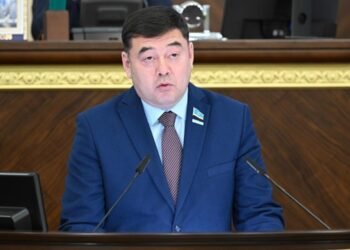
— Today, apart from the rules for municipal waste management, we actually have no specialized rules. At the same time, there are about 20 types of waste, nine of which are those that we encounter every day, including construction and medical. There are also about 60 subtypes of waste. But they are regulated only within the framework of the same rules for municipal waste management,” noted Daniyar Baygaraev.
He emphasized that the key change will be the transition to a comprehensive and unified regulatory system.
— This reform of the waste management system implies that we will form uniform rules for managing different types of waste. In some places this will be targeted regulation for specific types, in others, where possible, it will be unification under general rules. But the most important thing is that there will be uniform rules of conduct for all waste generators, market participants and government bodies,” he explained.
Particular attention in the reform is paid to the economic potential of the industry and the formation of a waste market.
— The main objective of the reform is to create a whole new waste management industry that will generate income, generate jobs and form a waste market. In fact, such a market is being created in Kazakhstan for the first time,” said a representative of Zhasyl Damu JSC.
It is expected that the implementation of the reform will not only improve the efficiency of environmental regulation, but will also become an important step in the development of the country’s green economy.
Earlier it was reported that JSC Zhasyl Damu transform to the National Waste Management Centre.
▶” allow=”accelerometer; autoplay; encrypted-media; gyroscope; picture-in-picture” allowfullscreen=”allowfullscreen” referrerpolicy=”strict-origin-when-cross-origin”>