Union demands 15% of operating profit as bonuses, exceeding Samsung’s entire R&D spending in 2025. An 18-day strike looms in May.
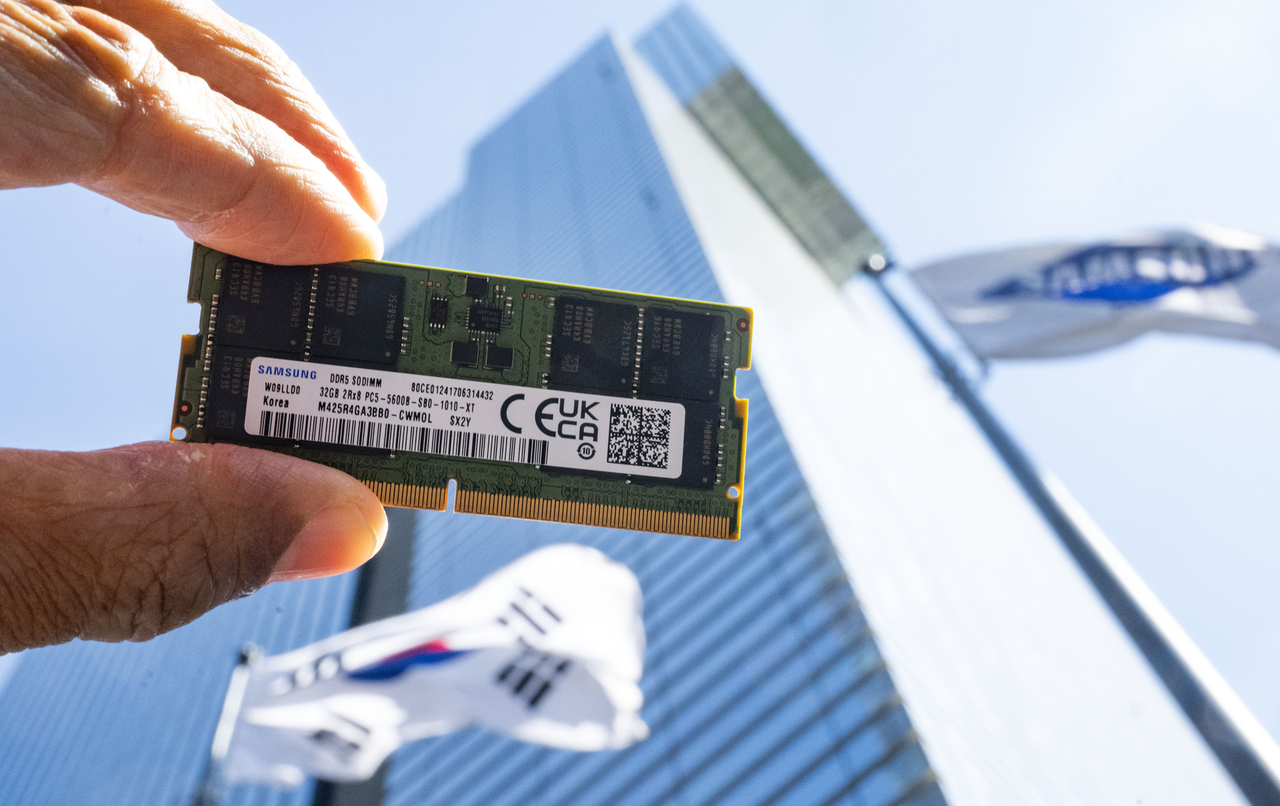
Samsung Electronics’ labor union is seeking 15 percent of the company’s annual operating profit as performance bonuses, a demand that could total 45 trillion won ($30.3 billion) and surpass the chipmaker’s entire research and development spending last year.
The union raised its target from 10 percent after Samsung posted 57.2 trillion won in first-quarter operating profit on April 7, a 755 percent year-on-year surge that marked the largest quarterly profit in Korean corporate history. With domestic brokerages projecting full-year operating profit at around 300 trillion won amid an artificial intelligence-fueled memory supercycle, the union’s revised formula would generate bonus payouts exceeding the 37.7 trillion won Samsung invested in R&D in 2025 and roughly four times the 11.1 trillion won distributed as dividends to its 4.2 million shareholders.
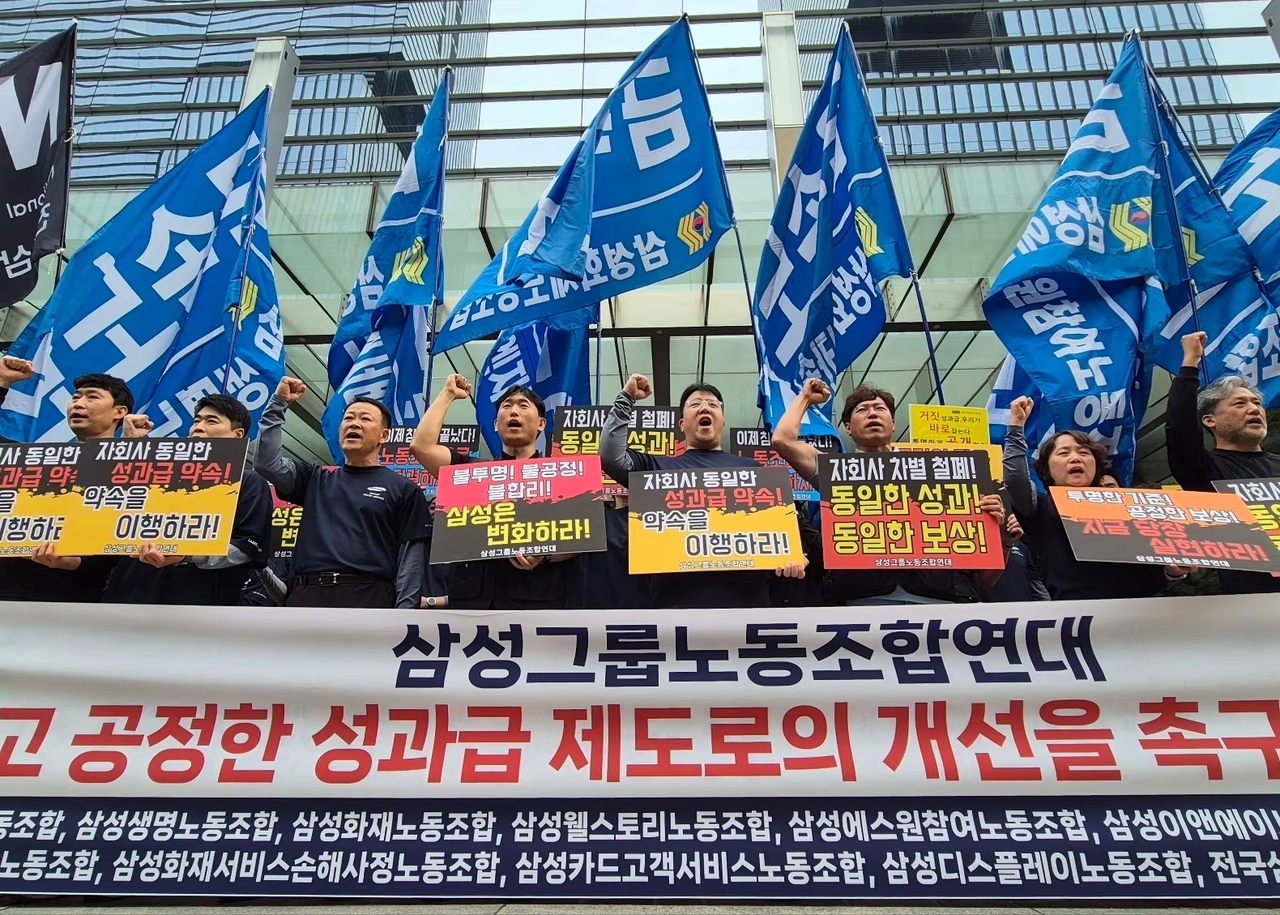
Negotiations collapsed in late March. The union has scheduled a rally at Samsung’s semiconductor campus in Pyeongtaek, Gyeonggi Province, on April 23 and plans an 18-day general strike from May 21 through June 7 if no deal is reached.
Choi Seung-ho, chair of the Samsung Electronics branch of the cross-company labor union, told Korean media: “We don’t see 15 percent of operating profit as unreasonable. Engineers are leaving for competitors or moving overseas for better pay.”
Samsung management has rejected the proposal, offering instead what it described as “the industry’s best compensation relative to competitors” without accepting a fixed profit-sharing ratio.
“Sharing profits with employees is necessary, but at this scale the concern is that it crowds out spending on next-generation technology and facilities,” a semiconductor industry official said. “Samsung kept investing even as its chip division posted nearly 15 trillion won in operating losses in 2023. That sustained spending through the downturn is a major reason it could deliver a 57 trillion won quarter now. A payout this large puts that reinvestment cycle at risk.”
The strike threat carries particular weight because global tech companies have locked in long-term memory supply contracts backed by large prepayments. Production delays could trigger penalty clauses and push new orders toward rivals. Samsung already lost ground after delays in qualifying its fifth-generation high-bandwidth memory chips with Nvidia. Industry observers warn that Chinese DRAM producers and US-based Micron stand to absorb redirected demand.
The dispute has fractured the union’s own membership. Under the proposed formula, bonuses would flow overwhelmingly to the semiconductor unit, which is expected to generate roughly 95 percent of Samsung’s operating profit this year.
“You call yourselves a unified union, but all you talk about is the chip business,” one consumer electronics division employee wrote on the union’s internal board. Samsung management has noted that applying the formula would slash bonus rates for employees in its loss-making system LSI and foundry units from 47 percent of salary to 11 percent.
The standoff took a darker turn on April 10, when Samsung revealed that lists identifying nonunion employees by name and ID number had spread through company group chats and filed a criminal complaint over personal data violations. The lists were compiled using the union site’s member verification tool to single out holdouts. Union Chair Choi had earlier warned on YouTube that workers who refused to strike would be cataloged and considered first for reassignment or dismissal.
By the union’s own calculations, based on an assumed 270 trillion won in annual semiconductor operating profit, memory division employees would each receive an average of 620 million won before tax under the proposed formula. That figure exceeds the 10 percent profit-sharing rate agreed upon between rival SK hynix and its union last year.
Semiconductors accounted for 38.1 percent of South Korea’s total exports in March, when chip shipments reached a record $32.8 billion, according to the Ministry of Trade, Industry and Energy.
mjh@heraldcorp.com