In the history of Tajikistan there are names that represent an era of great change. Uljabaev Tursunboy Uljabaevich is a man who stood at the helm of the Tajik SSR during the years of its rapid rise. On his 110th anniversary, we remember his journey and dreams, which were embodied in the concrete of dams and the lights of big cities.
The path from a village to big politics
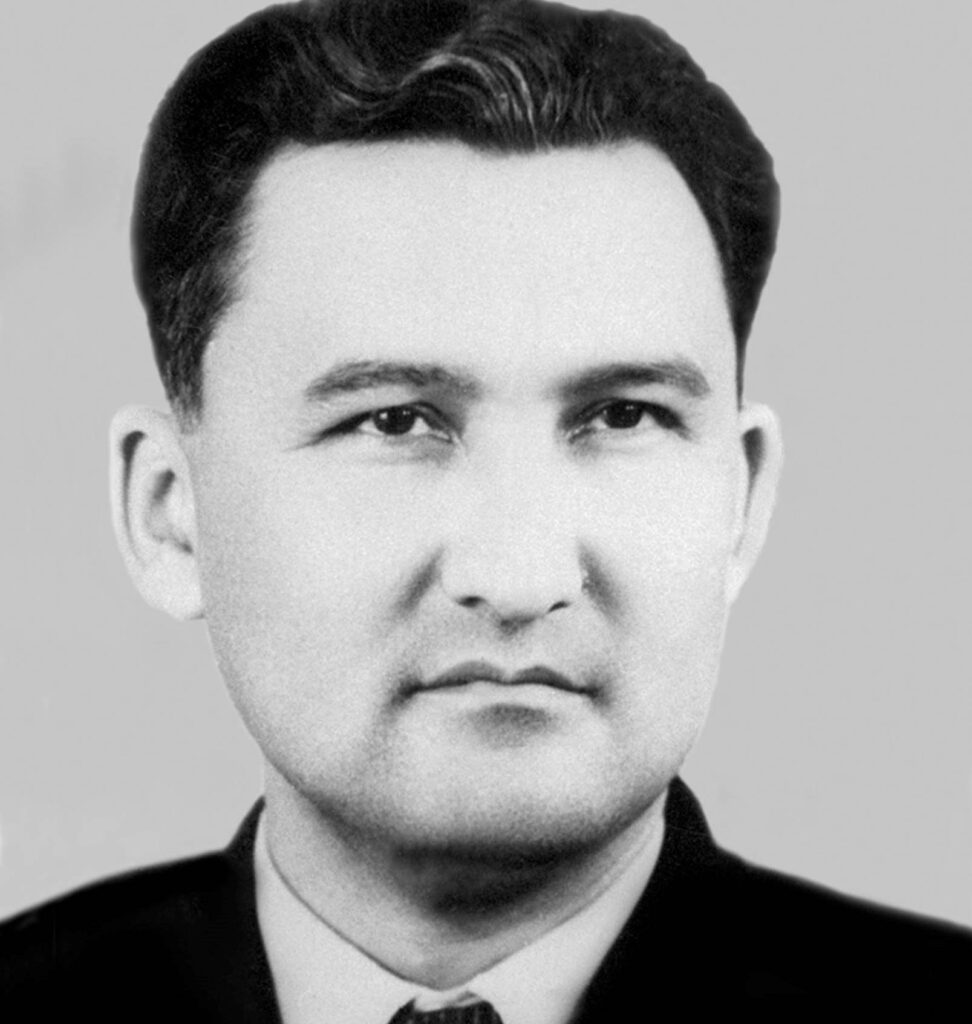
Tursunboy Uljabaev was born on May 1, 1916 in the village of Kuruk, Khojent district (now Bobojongafurov district). Starting with his studies at the Pedagogical College, he quickly showed extraordinary organizational skills.
Already in the 40s, he went through the school of Komsomol and party work, where he learned the main thing – to hear people and see prospects where others saw only difficulties.
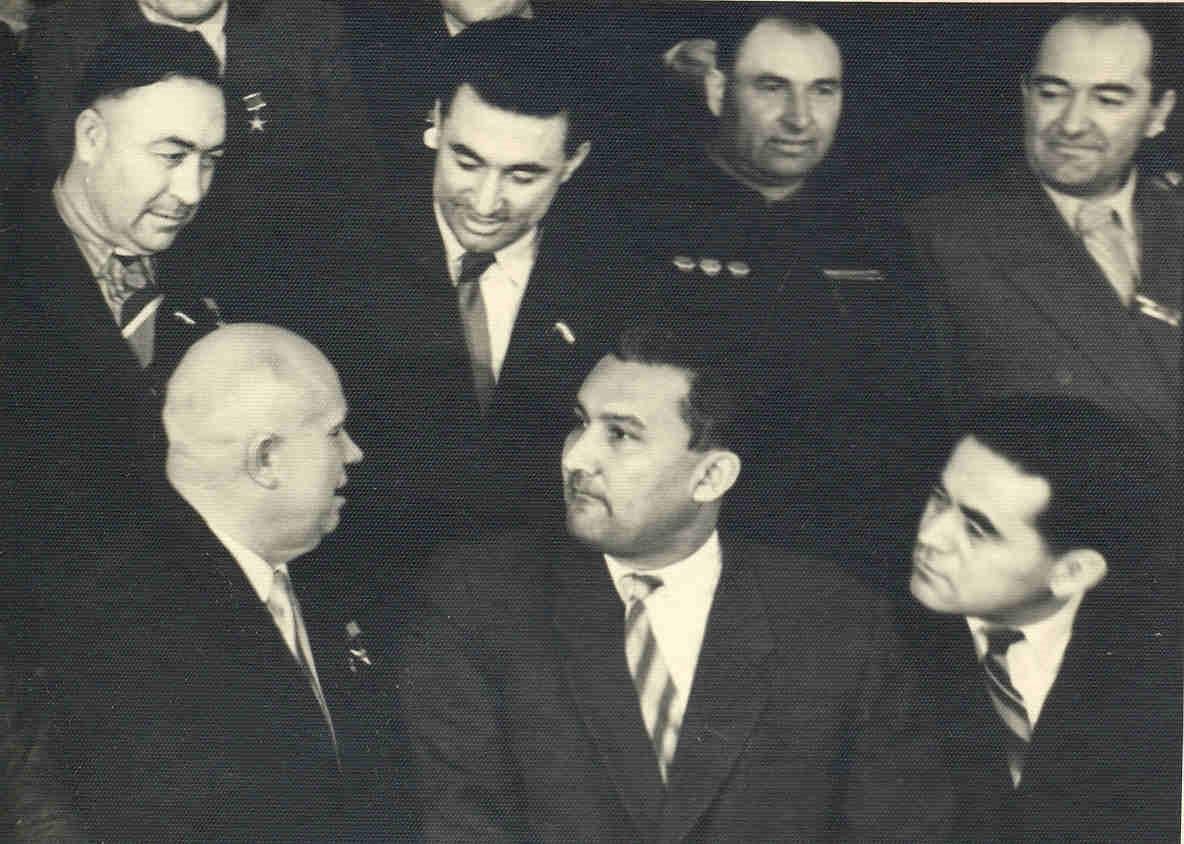
From March 26, 1955 to May 24, 1956, he was Chairman of the Council of Ministers of the Tajik SSR and at the same time was the Minister of Foreign Affairs of the Tajik SSR. When he became the first secretary of the Central Committee of the Communist Party of Tajikistan in 1956, he was only 40 years old. It was from this moment that the five-year plan began, which historians will call the “golden age” of industrialization of the republic.
Dream of “big energy”
The main work of Uljabaev’s life was the transformation of Tajikistan from an agricultural region into a powerful industrial republic. He understood that without his own electricity this was impossible.
It was with his persistent participation in Moscow that the decision to build the Nurek hydroelectric power station was supported. Uljabaev personally delved into the details of the project, met with the designers and consistently defended the idea of large-scale hydropower development of the republic.
He believed that Vakhsh could and should give light to the whole of Central Asia. Uljabaev belonged to a generation of leaders who perceived hydropower not just as a branch of the economy, but as the basis of the future of Tajikistan. In addition to energy, during these years irrigation projects expanded and new agricultural lands were put into circulation, giants of the light and food industries were built, Dushanbe grew and was improved.
Strength test
Like many leaders of that era, he became involved in complex internal party processes in the early 60s. In 1961, at the peak of his activity, as a result of the political metamorphoses of that time, Tursunboy Uljabaevich was relieved of all positions.
Despite his political removal, he continued to work in the economic sphere. After the dismissal of the first head of the republic, Tursunboy Uljabaev was appointed director of the lagging state farm “Mitin-Tugai” in the Moskovsky district of the Kulyab region. Over the course of several years, he managed to remove the farm from being a problem one: new lands were developed, the production base was strengthened, and the training of local personnel began. On his initiative, young people were sent to study at leading universities in the USSR.
Later, he headed the “Garm” breeding state farm in the Komsomolabad district (present-day Nurobod), and in 1976 he headed the “XXIV Party Congress” state farm in the Kuibyshev region (now A. Jomi).
Wherever he worked, in the office of the head of the republic or in an ordinary household in the south of the country, he remained devoted to his Motherland. Contemporaries recalled that Uljabaev preferred to personally go to construction sites and areas, talk with engineers, agronomists and workers without unnecessary protocol. He paid great attention to the training of national personnel, believing that the development of the republic is impossible without its own engineers, power engineers and specialists
Restoring historical justice
Despite the termination of the criminal case in 1966 for lack of evidence of a crime, Tursunboy Uljabaev remained outside the public political and information agenda for a long time.
In 1986, he was reinstated as a member of the CPSU, after working for several more years, he retired.
A reassessment of the role and contribution of Tursunboy Uljabaev occurred already during the period of independence of Tajikistan. Thanks to the attention and respect of the President of the Republic Emomali Rahmon, his merits received official recognition, and his name was restored in the history of the country.
Family Appreciation
For the descendants of Tursunbai Uljabaev, this anniversary is not only a reason for pride, but also an opportunity to say words of gratitude.
“We, the children, grandchildren and great-grandchildren of the dear and beloved Tursunboy Uljabaev, are sincerely grateful to our respected Leader of the nation, President of the Republic of Tajikistan Emomali Rahmon for preserving the memory of our father, grandfather, great-grandfather.
In 1997, by presidential decree, the name of Tursunbay Uljabayev was assigned to the Nurek hydroelectric power station, one of the country’s main energy facilities, the construction of which he was at the forefront of. His bust was installed on the territory of the station.
For our family, this became a special sign of recognition of his many years of work and contribution to the development of the republic. We are touched by the fact that in modern Tajikistan the creators of the past are valued and respected, preserving the connection between generations and the continuity of national development.
If the Nurek hydroelectric power station became a symbol of the industrial development of Soviet Tajikistan, then the Rogun hydroelectric power station today is a symbol of the energy priorities and strategic development goals of independent Tajikistan, implemented under the leadership of Emomali Rahmon.”
Tursunboy Uljabaev passed away in 1988, leaving behind a good name and bright deeds. And today, when the lights of Nurek illuminate our homes, we understand that his life’s work continues to live on, and his name remains part of the history of the industrial formation of Tajikistan and is carefully preserved in the memory of descendants.