Donald Trump criticized this Sunday (14) the Israeli attack against Lebanon that could complicate attempts to finalize an agreement with Iran to end the war in the Middle East. Despite this, the American president said that an understanding between the countries is close.
The day before, Trump stated that the agreement should have been signed this Sunday, which had not occurred until 2:30 pm (Brasília time).
Tehran’s chief negotiator, Mohammad Baqer Qalibaf, had previously stated that the offensive against the suburbs of Beirut, a Hezbollah stronghold, casts doubt on the United States’ ability or willingness to fulfill its commitments.
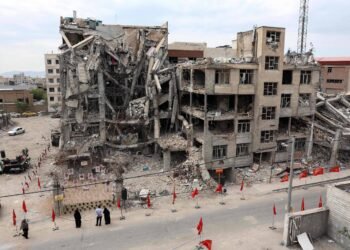
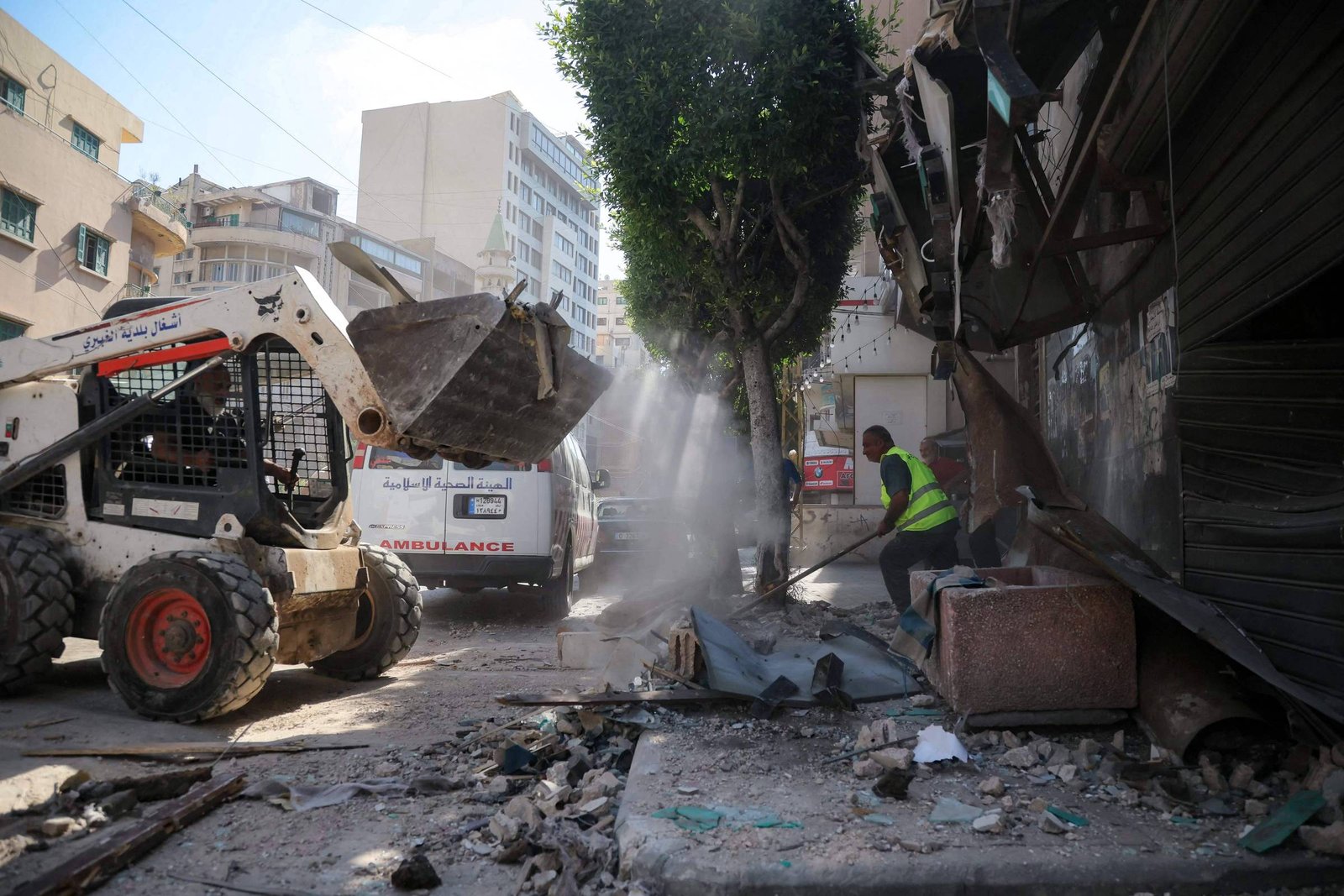
According to the state media agency of Lebanontwo people died and four were injured. The offensive took place after Tel Aviv accused the Tehran-allied extremist group of firing three projectiles into the north of the country.
“This morning’s attack on Beirut should not have happened, especially on such an important day when we are so close to a peace deal with Iran,” wrote Trump, who turns 80 this Sunday, in a post on Truth Social.
The American president also stated that the agreement includes an end to bombings in Lebanon and signaled that “all parties must back down.”
Israeli Prime Minister Binyamin Netanyahu disagrees with Trump on American pressure for Israel to reduce its military operations in Lebanon and facilitate an understanding with Tehran. The resumption of clashes represents another chapter in the tensions that, at times, surfaced between the two leaders.
According to people involved in the negotiations heard by Reuters, Qatari negotiators traveled to Tehran this Sunday morning to advance the talks. Pakistan Prime Minister Shehbaz Sharif also stated that his government was preparing for an electronic signature of the agreement.
Tehran, however, continues to not confirm the schedule. Even before the bombing, the state-run Fars news agency reported, citing people familiar with the negotiations, that the Iranian government had not yet made a final decision on the text.
After the attack, an Iranian military commander warned on social media that the episode would not go “unanswered.” The new offensive exposes the fragility of negotiations and the fragile ceasefire in force.
Tel Aviv insists on maintaining its military campaign in the neighboring country, while Iran considers a ceasefire that includes Lebanon an important condition for any agreement.
Last week, an Israeli attack on the suburbs of the Lebanese capital triggered an exchange of attacks, increasing the risk of failure of a peace plan.
TERMS OF AGREEMENT
According to a high-ranking Iranian official interviewed by Reuters, the document calls for the US to release $25 billion in frozen Iranian assets, while Iran would commit not to produce or acquire nuclear weapons.
Trump previously wrote in Truth Social that after an agreement was signed, the Strait of Hormuz, blocked by Tehran since the start of the conflict, would immediately be “open to all.”
Once the sea lane was reopened, the US would lift its naval blockade of Iranian ports, according to officials on both sides of the conflict. The next step would be the removal of naval mines in the region, possibly with the participation of G7 countries.
Talks about the Iranian nuclear program, justification presented by Trump for the war and one of the most sensitive points of the negotiations, would take place later, over a period of 60 days.
According to an Iranian official interviewed by Reuters, the country agreed to maintain the current status of its nuclear program — without enriching more uranium or expanding facilities — until a definitive agreement is reached.
A US government official said the ultimate goal is to dismantle Iran’s nuclear program and eliminate its stockpile of highly enriched uranium. The Iranian representative said that the proposal would allow the country to internally dilute its enriched uranium.
The US considers the elimination of Iranian reserves of enriched uranium a priority. Iran denies seeking an atomic bomb and claims that its nuclear program is for exclusively civil and peaceful purposes.