You United States and the Iran signaled this Friday (12) that they may be closer to an agreement to put an end to the war in the Middle Eaststarted in February, after a day marked by disputes over narratives surrounding the negotiations.
The day before, donald trump had announced that the countries had, finally, arrived at a consensus to end the conflict. Tehran, however, was quick to deny the supposed understanding, especially in relation to nuclear issues, one of the most sensitive topics in the negotiations.
The disagreement led Trump to say this Friday that Iran is dishonest and that it needs to “get back on track.” After a series of contradictory versions, the countries began to show signs of alignment.
Trump again said a deal was close, and Iranian Foreign Minister Abbas Araghchi said an understanding “has never been closer.” The Prime Minister of Pakistan, who acted as a mediator in the negotiations, went further and stated that the parties had already reached a consensus on the final text.
According to the Iranian Foreign Minister, once finalized, the text can be signed remotely. In an interview with state television, Araghchi also stated that Israel is trying to sabotage a possible understanding. “I must say frankly that this agreement has enemies, the main one being the Zionist regime, which is looking for pretexts to make it unfeasible,” he said.
Araghchi stated that the project includes the end of the naval blockade imposed against his country. “That’s the first point mentioned,” he said. “And Iran has made a firm decision that the administration of the Strait of Hormuz will no longer be the same,” he said, adding that discussions on the matter are ongoing.
Iranian state news agency IRNA had earlier reported that there was still no agreement on the Iranian nuclear program. And that conversations on the topic would only be held within a period of up to 60 days after the signing of the first understanding. “Our position has always been that the only way to deal with the stockpile of enriched material is to dilute it within Iran,” Araghchi said.
A high-ranking White House official, on the other hand, told the AFP news agency that Iran had agreed to dismantle its nuclear program. Still according to this same person, the regime would have agreed to reopen the Strait of Hormuz. The gradual unlocking of Tehran’s assets would be conditional on compliance with the obligations set out in the understanding.
The interruption of the Iranian nuclear program has always been one of the main impasses between the countries, and the Persian regime has been showing resistance regarding the issue.
Tehran describes the terms differently. Reports from authorities in the press maintain that the country has made few concessions on nuclear issues and control of the Strait of Hormuz. The sea route has been practically blocked since the start of the conflict.
A high-ranking Iranian regime official told Reuters that the draft agreement envisages the lifting of sanctions on Iranian oil, the release of billions of dollars in the country’s funds and the demand for a cessation of attacks, including in Lebanon.
The White House official interviewed by AFP rejected this version. According to him, this is a false narrative for the Iranian domestic public. The deal, he said, would entail sanctions relief and the unlocking of frozen Iranian assets in exchange for Iran’s agreement to dismantle its nuclear program and hand over its enriched uranium.
The deal would also include an end to attacks in Lebanon, a demand from Tehran. The White House believes there is an “80% to 85%” probability that the document will be signed in the coming days. Geneva, Switzerland, would be the most likely location for the meeting.
The Vice President of the USA, JD Vanceand the Speaker of Iran’s Parliament, Mohammed Baqer Qalibaf, would attend the ceremony. After signing, a 60-day period of negotiations would begin on the technical aspects of the agreement.
The terms of the document described by Iranian officials this Friday appear to offer Tehran much of what the regime has been demanding, while Trump appears to get little of what he sought, beyond the reopening of Hormuz.
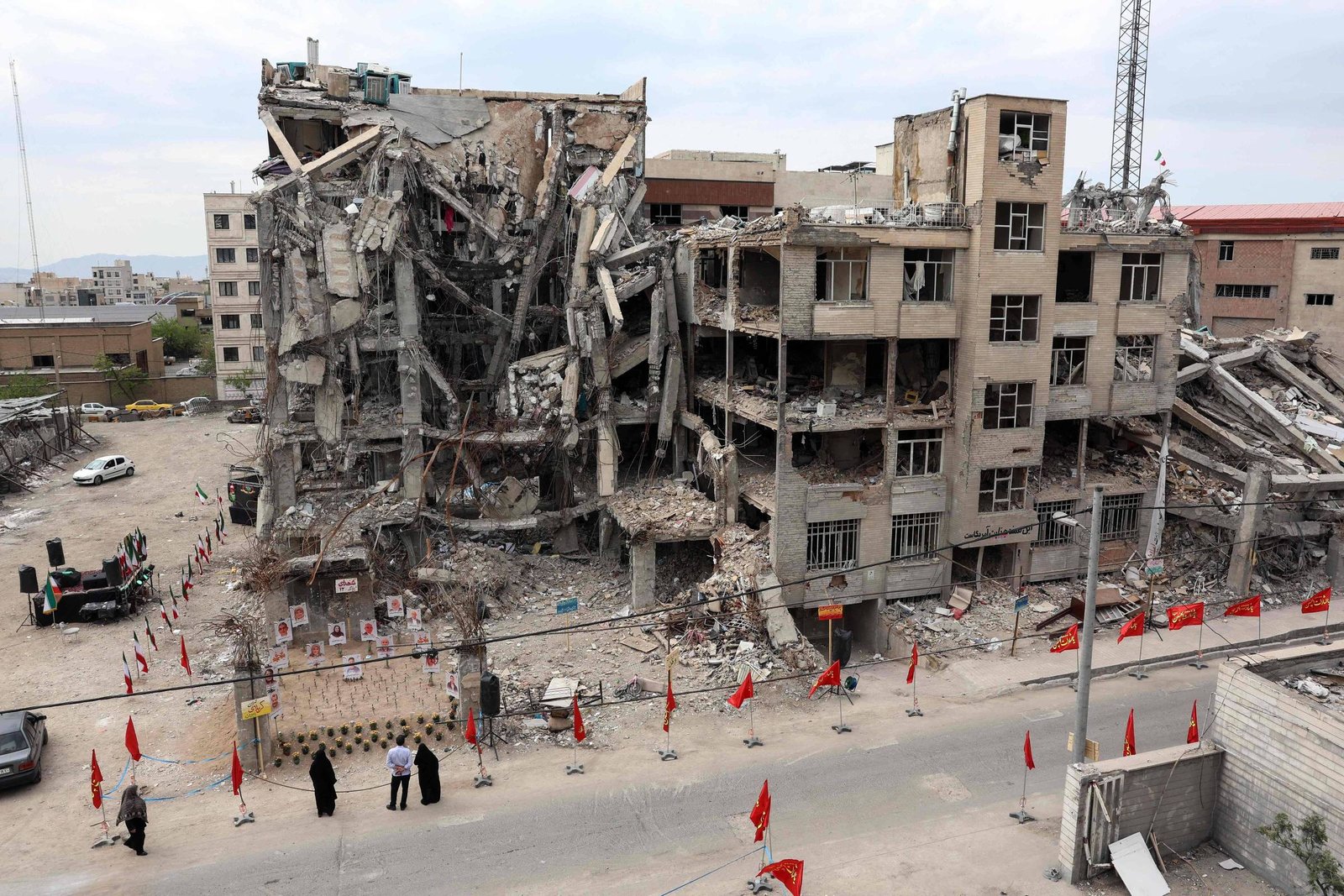
Iranian agency Mehr reported that the terms also include other important US concessions, such as a commitment to withdraw its forces from the vicinity of Iran and the presentation of a plan to rebuild the Persian country’s economy, devastated by the conflict.
The war has become a political issue for the White House, with polls showing Trump’s approval rating falling amid voter dissatisfaction with high gasoline prices.
Some Republicans have expressed concern that the unpopularity of the war could cost them control of Congress in November’s midterm elections.