A comprehensive guide to the site…

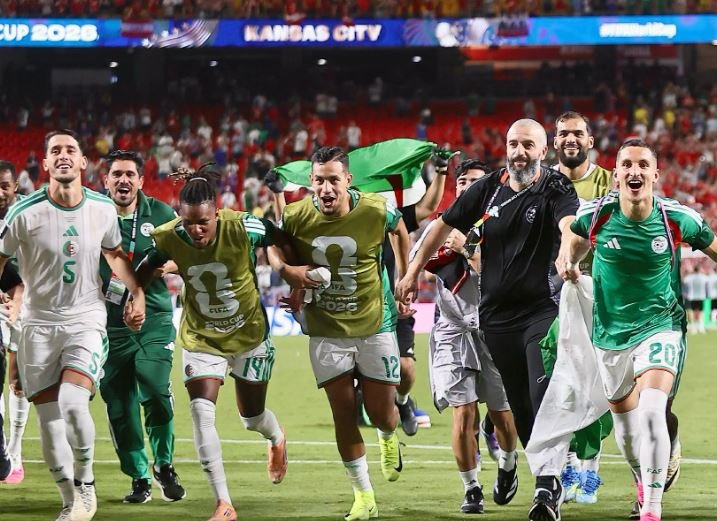
The eyes of football fans are directed towards the “BC Place” stadium in the Canadian city of Vancouver, where the Algerian ambition collides with the strict Swiss system in the round of 32 of the 2026 World Cup finals. This confrontation combines the calculations of passage to the round of 16 and the unraveling of complex tactical knots, as both parties seek to secure their position in the next stage. Switzerland hopes to break the curse of the knockout rounds that has beset it in the last seven consecutive attempts, while the “Desert Warriors” search for confirmation. Their right to be among the top players in the World Cup.
Before the starting whistle blows at dawn next Friday at 4:00 AM Algeria time, several prominent issues impose themselves on the technical analysis table for the match, and at the forefront comes the struggle of physical recovery and the difference in rest, as the physical readiness factor is in the interest of the Swiss team, which qualified early as the leader of the second group without losing, which gave its players additional days of rest and an ideal recovery process. On the other hand, the Algerian side went through a difficult, dramatic path in the tenth group that concluded with an epic A marathon against Austria, which puts the Algerian technical staff in front of a great challenge to prepare the team physically and avoid fatigue before the fateful match.
The details of the confrontation extend to the midfield, which represents the lung of the Swiss team, led by star Granit Xhaka, who is considered the “radar” and rhythm engineer for the team, supported by the movements of Remo Freuler and Dan Nadoye on the peripheries. Controlling this area and disrupting the Swiss passing lines becomes the primary key for Algeria to thwart the opponent’s offensive build-up and impose the positive possession style whose features have recently appeared. The Algerian offensive system will also collide with a solid Swiss defensive wall led by Manchester City defender, Manuel. Akanji, and behind him is the distinguished goalkeeper Gregor Koppel, an organization that requires high tactical precision to exploit gaps. At the same time, the Algerian defense must show the highest levels of concentration to stop the danger of the physical striker, Brielle Embolo, and avoid the lapses that cost the team seven goals during the group stage.
In knockout matches that may extend to extra time, the battle of the bench and the winning cards emerges as a real decisive factor, as the Algerian side has young attacking players characterized by great speed and the ability to penetrate tired defenses in the second half, forming an important weapon in the face of European experience represented by Swiss players such as Ricardo Rodriguez and Ruben Vargas. The match takes on an exceptional psychological character for the Algerian national team coach, Vladimir Petkovic, who leads his team against the national team. His former country, who supervised his technical engineering for seven full years, and this deep knowledge of the Swiss player’s mentality and the characteristics of their style is the most prominent tactical advantage that the “Warriors” are betting on to adapt the course of the match and reach the final price.