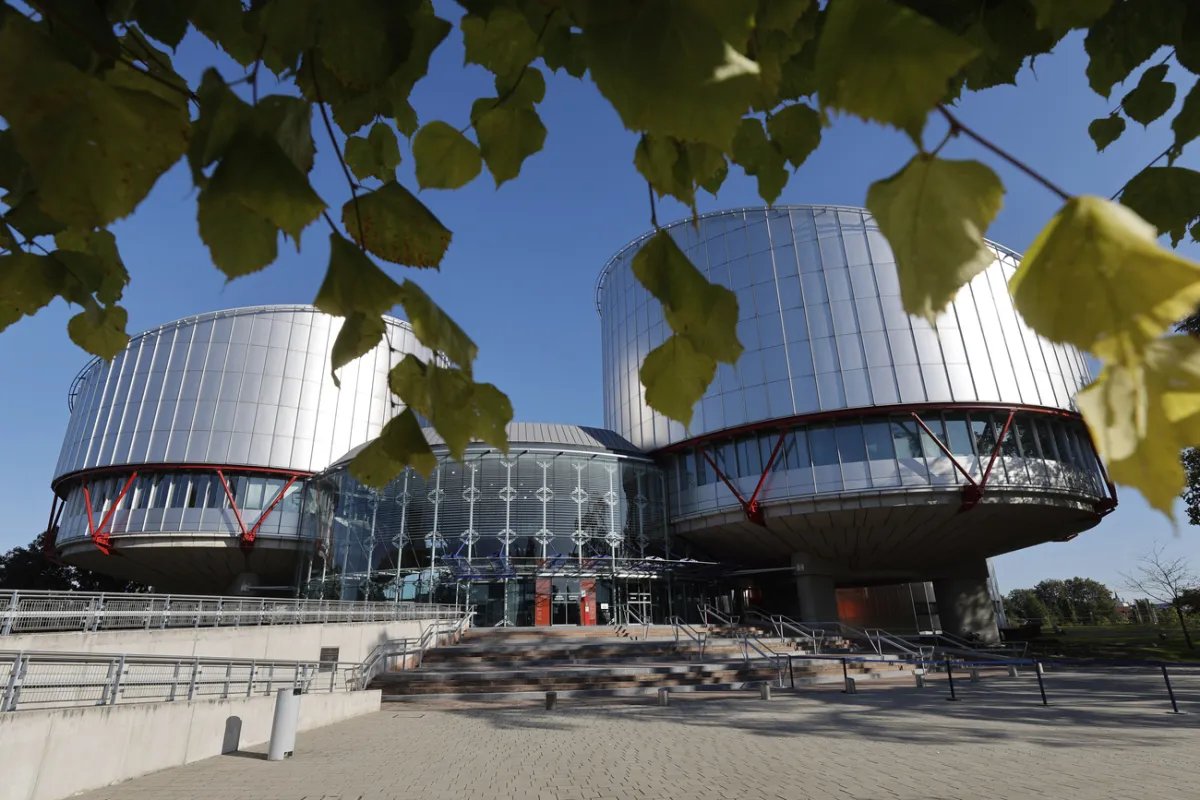

The plaintiff accused Switzerland of breaching Article 8 of the European Convention on Human Rights, a claim the Strasbourg-based court dismissed.
Copyright 2023 The Associated Press. All Rights Reserved
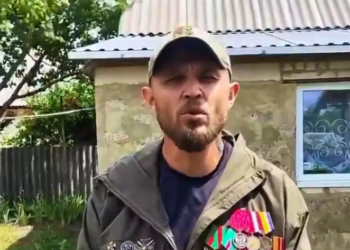
Switzerland did not violate the right to privacy of the Ukrainian Yuriy Ivanyushchenko by ordering the freezing of his funds and those of his relatives. This was the ruling handed down on Thursday by the European Court of Human Rights, thereby dismissing an appeal lodged by this associate of former President Viktor Yanukovych.
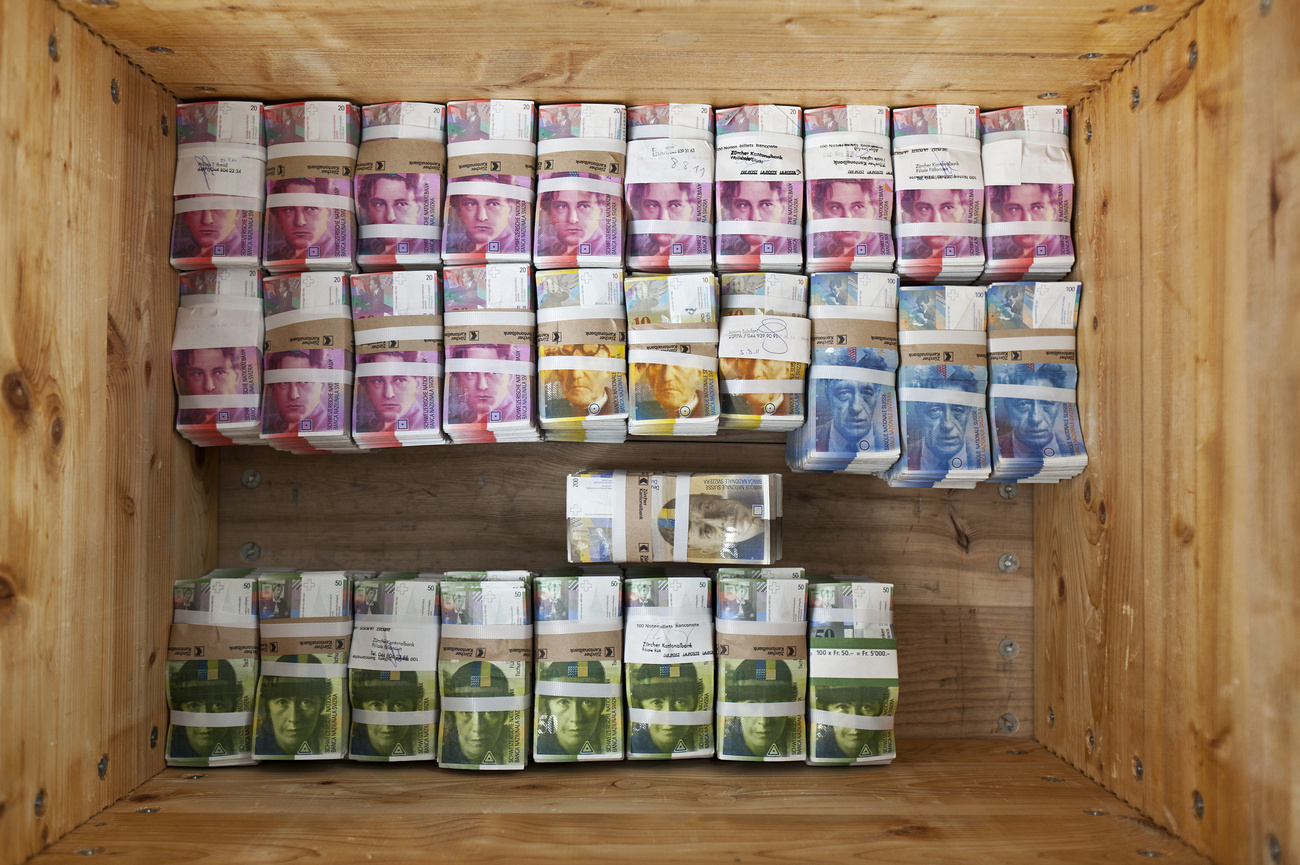
Following the ousting of Yanukovych, the Swiss government decided on February 26, 2014 to freeze the assets in Switzerland of the ousted president and his entourage, including Ivanyushchenko, a former member of parliament.
Ivanyushchenko’s name was therefore added to the sanctions list targeting former Ukrainian leader. All of his assets and financial interests in Switzerland, effective February 28, 2014, were frozen.
Citing Article 8 of the European Convention on Human Rights (the right to respect for private life), Ivanyushchenko had argued that these measures seriously undermined respect for his reputation, which forms part of the right to respect for private life. After examining the case, the judges of the ECHR concluded that Switzerland had not violated Article 8, without providing any further explanation.
More
More
With US in retreat, can Switzerland maintain fight against kleptocracy?
In June 2024, the Federal Administrative Court dismissed the appeals lodged by associates of Yanukovych against the freezing of their funds in Switzerland. The judges justified their decision by explaining that Ukraine was not, at that time, in a position to meet the requirements of a mutual legal assistance procedure.
A year later, the Federal Court in turn dismissed three appeals against the freezing of accounts held by associates of the former Ukrainian president. Here too, the court ruled that the conditions set by the Swiss government for the freezing of funds were still being met. It also emphasised that, in the cases in question, the Ukrainian authorities were not in a position to meet the requirements of a mutual legal assistance procedure in criminal matters.
Translated from French/sub-editing gw