There are two tournaments running in parallel in this World Cup 2026. The first one is seen by everyone: Argentina advancing game by game with Lionel Messi as the undisputed driving force. The second occurs off the field, on screens, billboards and advertising spots, and very few people analyze it with the same attention it deserves.
On the field, the numbers are historic in the most literal sense. With 8 goals in the tournament, Messi leads the World Cup scoring table and has already accumulated 21 goals in his entire World Cup history, becoming the top scorer in the World Cup of all time, surpassing the record that Miroslav Klose had held for more than a decade. At 39 years old, in his sixth World CupMessi not only continues to be the best — he is being the most decisive.
But there is another dimension to this World Cup that as a sports marketing specialist I find equally revealing.
During my week in Miami, in the heart of the tournament, something that went beyond football caught my attention: Messi’s commercial omnipresence. His image has appeared in campaigns for Duracell, Lowe’s, Stanley, adidas, LEGO, Michelob Ultra, Lay’s, Hard Rock, Mastercard, Beats and ChatGPT. Eleven brands. Eleven different categories. And according to data from the System1 measurement platform, Messi appears in 22% of all major tournament campaigns — that is, one in five major World Cup spots carries his image.
What is notable is not the quantity. It’s diversity.

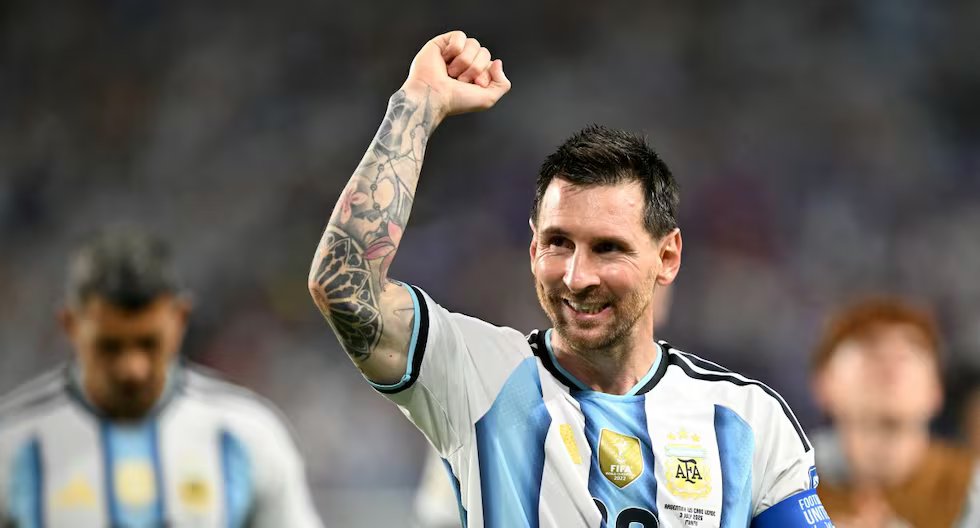
Lionel Messi, in a moment of the commercial that will be broadcast during halftime of the Super Bowl 2024. (Photo: Michelob ULTRA)
A traditional athlete anchors his commercial value in predictable categories: sportswear, energy drinks, equipment. Messi is in batteries, in home improvements, in artificial intelligence. That’s not conventional sponsorship — it’s what happens when An athlete stops being an ambassador and becomes a cultural symbol. Brands no longer hire you to recommend a product. They hire him to convey what he represents: excellence, perseverance, identity.
This transition has a logic that we know well in sports marketing. An athlete’s value does not end with his or her athletic performance — often, another stage begins. But what makes Messi’s case unusual is that both stages are happening at the same time. At 39 years old, he continues to break historical records on the court and his commercial value is greater than ever off it.
For Peruvian brands that still see the sports marketing as a risky bet or an expense of visibility, the case Messi in this World offers a concrete lesson: sport builds platforms of value that no other medium can replicate. It’s not about appearing next to an athlete. It’s about understanding what that athlete represents for the consumer, and design a relationship that makes sense for both of us.
Messi knows it. The brands that work with him too. The rest of the industry is still learning.