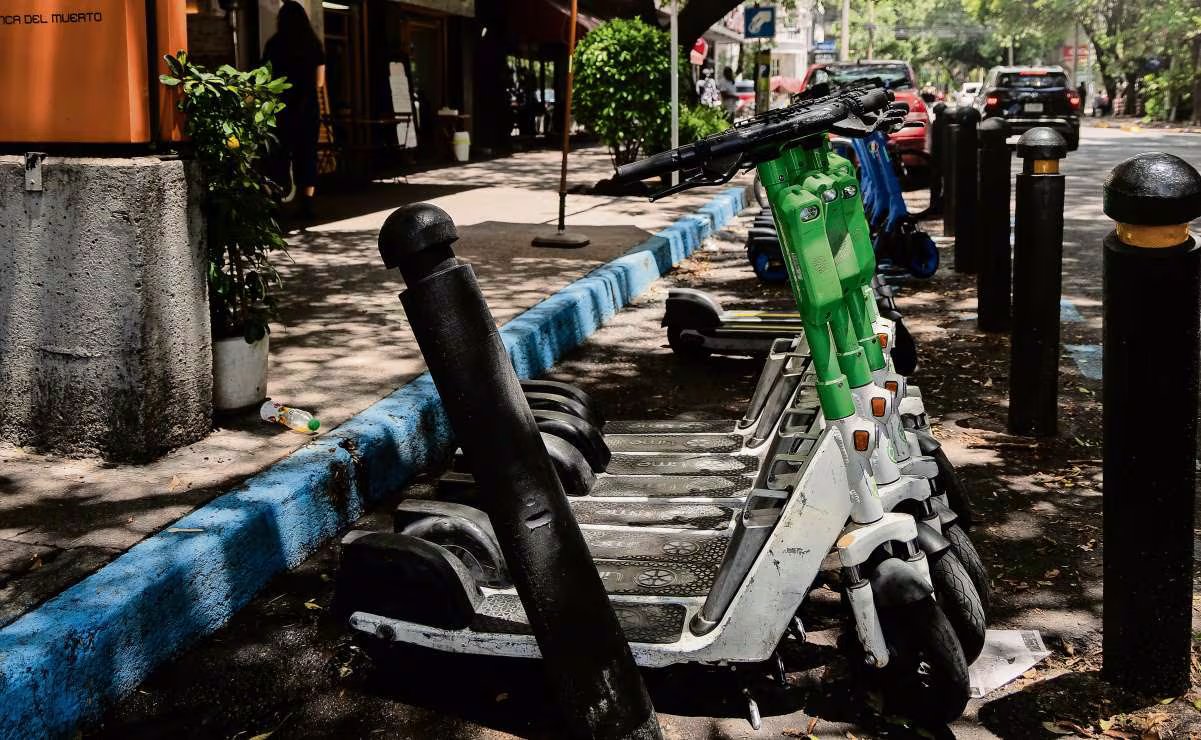
The electric scooters They return to the streets of Mexico City, although this time under two different schemes. On the one hand, rental services by application returned in different areas of CDMX, on the other hand the capital government is working on a pilot mobility plan towards the 2026 World Cup.
The Mobility Secretariat (Semovi) previously reported that it analyzes the use of scooters electric as part of the “Last Mile” strategy, a program that seeks to facilitate the transportation of fans to the Banorte Stadium, formerly known as the Azteca Stadium, during World Cup matches.
According to the Secretary of Mobility, Héctor Ulises García Nieto, the objective is to offer an alternative to travel the last leg of the trip when vehicular traffic in the area is saturated.
As explained by Semovi, the project contemplates the use of scooters and electric bicycles to bring users closer to the stadium, taking advantage of the existing cycling infrastructure on Calzada de Tlalpan.
Read also What are the best tires for an electric car?
During the presentation of the mobility strategy towards the World Cup, the official pointed out that it was a pilot plan. Companies such as Lime and Whoosh are involved in testing this scheme.
For now, authorities continue to evaluate the feasibility of the project and have not reported a definitive date for its large-scale implementation.
In parallel, the scooters rental by application can now be found in the Polanco neighborhood, Miguel Hidalgo mayor’s office, as part of the pilot program authorized by Semovi.
Brands such as Lime, Go Jet and Whoosh+ currently operate, whose vehicles can be used through a mobile application, user registration and scanning a QR code.
However, the return of this type of services has also generated questions from local authorities due to problems that were previously reported by units parked on sidewalks, vehicular accesses and pedestrian spaces.
While the commercial service returns to some areas of the capital, Semovi maintains the evaluation of the scooters as a possible mobility tool for the busiest days during the 2026 World Cup.
The intention is to complement options such as public transportation and EcoBici to reduce traffic congestion around the Banorte Stadium when Mexico City hosts tournament matches.
Read also Road safety on roads this 2026 World Cup: emergency numbers
Receive Hello Weekend every Friday, our newsletter with the latest in gastronomy, travel, technology, cars, fashion and beauty. Subscribe here: https://www.eluniversal.com.mx/newsletters