Tuesday, June 23, 2026, 9:37 p.m
3508 readings

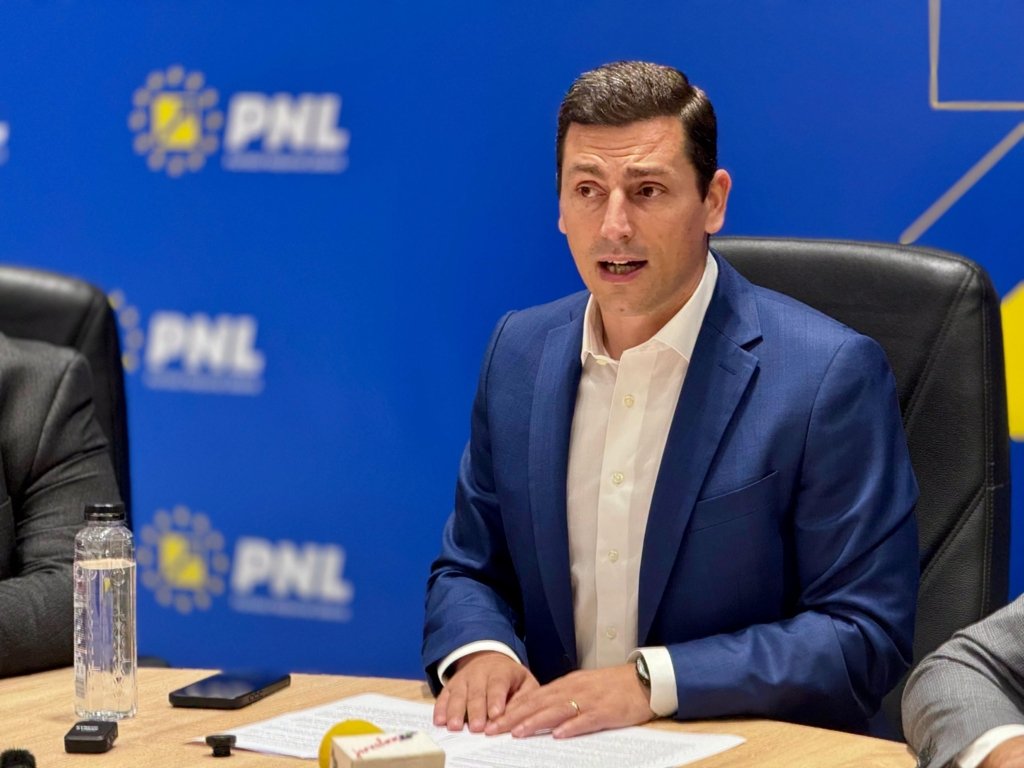
Ionel Bogdan, deputy PNL PHOTO Facebook/ Ionel Bogdan
The central leadership of the National Liberal Party took direct control over sanctioning decisions, prompting extensive restructuring within the party. The initial divergences within the party evolved into strict administrative measures, which led to the dissolution or suspension of the leadership structures of several territorial organizations. These measures target local branches that have not aligned with the new direction set by the party’s central leadership.
The mathematics of sanctions and the organizations targeted
The mechanism by which the leaderships in the territory were taken out of the game took full advantage of the provisional status in which they were after the last internal events. By refusing to grant them a new period of validity to lead the county structures, the central team automatically blocked the authority of local leaders, preparing the appointment of crisis teams loyal to the new political line.
The liberal deputy Ionel Bogdan officially presented, at the end of the tense meeting of the National Political Bureau, the extent of the internal cleaning and the way in which the dissident structures were eliminated.
“As you know, after the congress, all the branches, because elections have not yet been held in the branches PNL from the country, they remained on an interim basis, that is, all branch presidents are interim. We have 49 branches, of which 13 of them have not had their interim extended”.
The black list includes key points in the south and center of the country, including most of the administrative structures in the Capital. The sanctions directly hit the organizations in Argeș, Brașov, Călărași, Galați, Giurgiu, Gorj, Ialomița, Ilfov, along with the executive managements in sectors 2, 3, 4 and 5 of the Capital.
Official reasons: boycott and obstruction
The arguments brought by the management from Bucharest to justify this mass beheading are directly aimed at actions of organized sabotage against the statutory structures. The discontent of the central leaders stems from the refusal of these branches to recognize the authority of the newly elected forum.
“First, they deliberately and repeatedly violated the decisions PNL. Then, they did not attend the congress or even obstructed the delegates from those branches from attending the congress. There are multiple reasons why these branches should not have extended the interim”.
The violent retort of the leaders removed from the scheme
The most visible effect of this forced reorganization was registered in Ilfov county, where the executive president Hubert Thuma, a vehement opponent of the line imposed by Ilia Bolojanchose to open an open conflict. It accuses the central leadership of using purely subjective criteria and weeding out successful leaders who have real legitimacy in their communities.
Thuma harshly attacked the exclusion decision on social media, drawing an ironic parallel between his electoral journey and that of the current party leader:
“Today I was kicked out of the party in which I won every mandate, for 25 years, by vote. Not by appointment, not by relations, but by vote. Unlike Mr. Bolojan, who was prefect by appointment, Secretary General of the Government by appointment, present in administrative councils by appointment, I have never held a position called political. I held positions for which the citizens gave their explicit consent, with the stamp on the ballot,” wrote Thuma in a post on Facebook.