The economy of Tajikistan will maintain one of the highest growth rates among the countries in the region of operations of the Eurasian Development Bank. According to the EDB’s macroeconomic forecast for 2026–2028, the country’s GDP will increase by 8.3% in 2026, and growth will remain at around 7–8% in the next two years.
By bank datathe economy of Tajikistan is already demonstrating high dynamics. In January-March 2026, real GDP grew by 8% year-on-year, after growing by 8.4% in 2025. Growth was ensured by all major sectors of the economy: industry increased output by 14%, agriculture by 8%, wholesale and retail trade by 22.1%, and transport freight turnover by 19.1%.
The EDB notes that one of the important changes has been the strengthening of the role of the processing industry. If previously the mining industry was the engine of growth, then at the beginning of 2026 the main contribution was provided by metallurgy. The output of metallurgical products increased by 26%, while ore production decreased by 0.6%. According to analysts, this indicates the development of not only the extraction of raw materials, but also their processing within the country.
The main drivers of growth in the coming years will remain domestic demand, investment and favorable foreign economic conditions. In January-February 2026, retail sales grew by 23.3%, and investment by 33.2%. Consumption will be supported by rising wages and increased remittances. The authorities plan to increase wages for public sector workers by 20–25% during 2026.

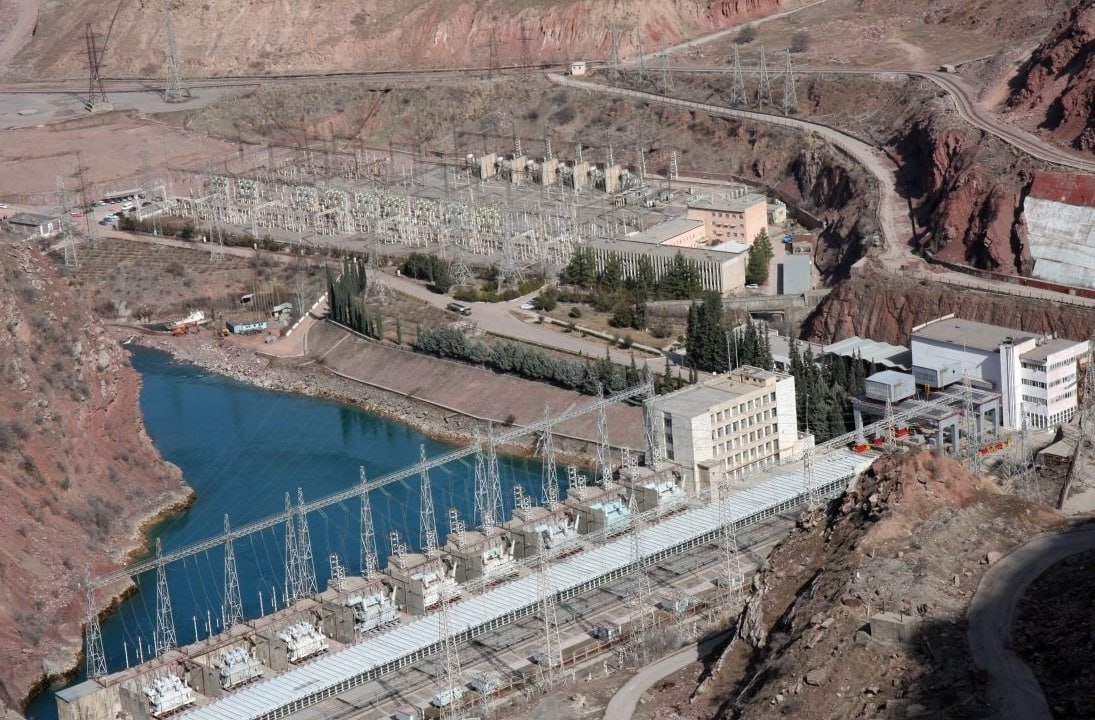
Investment activity will be supported by the implementation of large government projects. Among them, the EDB highlights the construction of the Rogun hydroelectric power station, the volume of investments in which in 2026 will exceed $1 billion, as well as the modernization of the Nurek hydroelectric power station.
The foreign trade situation remains favorable for the country. The average price for gold, which is Tajikistan’s main export commodity, reached $4,873 per troy ounce in the first quarter of 2026, the highest level in the entire history of observations. Thanks to growth in exports of gold, mineral products, textiles and agricultural goods, the country’s total exports in value terms increased by 28% at the end of 2025. The EDB expects positive export dynamics to continue in 2026–2028.
Inflation in Tajikistan remains the lowest among countries in the EDB region. In April 2026, consumer price growth was 3.6% in annual terms. According to the bank’s forecast, inflation will reach 4.7% by the end of 2026, and in 2027-2028 it will consolidate near the middle of the target range of the National Bank of Tajikistan, which is 5±2%.
The National Bank in February 2026 reduced the refinancing rate to 7%. However, the EDB expects a gradual tightening of monetary policy. According to the forecast, the rate could rise to 7.5% by the end of 2026 and continue to rise in subsequent years. This step will help limit the impact of external inflation risks associated with rising world prices for energy and food.
The average exchange rate of the national currency in 2026 is projected at 9.5 somoni per dollar. The somoni will be supported by high gold prices, rising export earnings and increased remittances. In 2025, the volume of transfers from individuals to Tajikistan reached $9.5 billion, which is 53% more than the previous year. At the same time, further expansion of imports may put pressure on the exchange rate.