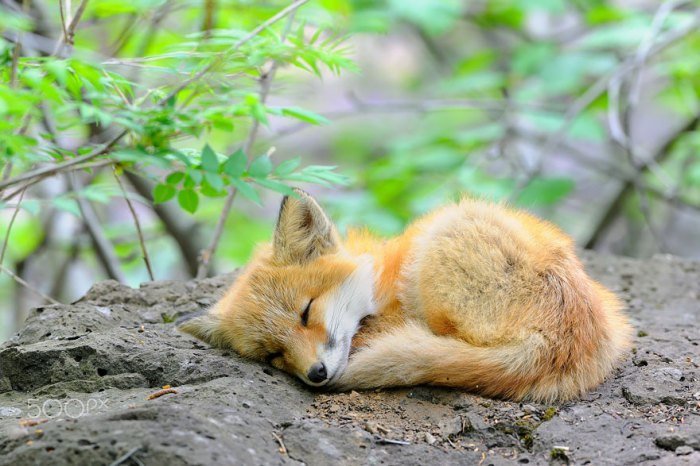
Three minors who abused a fox cub in the Nurobodsky district of Tajikistan were brought to administrative responsibility under the article on cruelty to animals. Asia-Plus was informed about this by the Department of Internal Affairs for the Rasht region.
According to law enforcement agencies, the teenagers were found guilty under Article 277 (“Cruelty to Animals”) of the Code of Administrative Offenses of the Republic of Tajikistan.
Their actions are qualified under Part 2 of this article, which provides for liability for cruelty to animals committed with extreme cruelty and with public demonstration, including on the Internet, resulting in injury to the animal.
Each of the culprits was assigned the maximum fine provided for by this norm – 10 indicators for calculations (780 somoni). According to the Ministry of Internal Affairs, the fine has already been paid.
As part of the investigation, the parents of teenagers, the school director, the chairman of the makhalla and representatives of other structures responsible for working with minors were summoned to the Ministry of Internal Affairs in Dushanbe. Preventive conversations were held with them and measures to prevent such cases were discussed.
Let us remind you that the incident occurred on June 14 in the village of Kalanak jamoat Muchiharf Nurobod district. Three teenagers caught a fox cub, mocked him, cut off the tips of his ears, filmed what was happening, and then distributed these recordings on social networks.
After posting videos the story caused widespread public outcry. Thanks to the active response of animal rights defenders and activists, law enforcement officers and the Committee for Environmental Protection quickly became involved in the proceedings.
During the inspection, the teenagers explained that while grazing sheep, a bag of food was left unattended, a fox cub climbed into it, ate part of the food and was unable to get out. After that, they decided to “punish” the animal for spoiled food.
They explained their action by ignorance of legal requirements and lack of understanding of the consequences of cruelty to wild animals. As the Committee noted, what the teenagers most regretted was not the act itself, but the fact that this story would negatively affect their future. Their actions also drew sharp condemnation from residents of their native village.