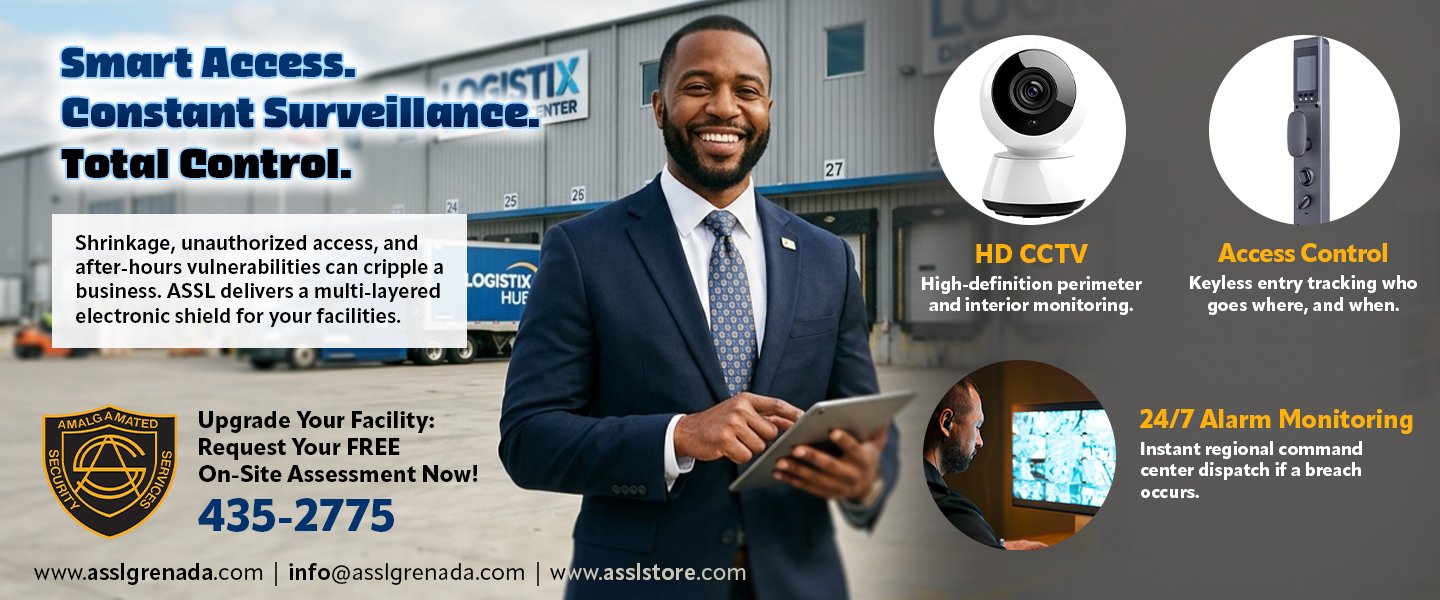
For many business owners, security is something that only becomes a priority after an incident occurs. A break-in, theft, vandalism, missing inventory, or an unauthorised visitor can quickly remind us how important it is to know what is happening at our facilities.
The good news is that security technology has evolved significantly over the last decade. Modern camera and access control systems are no longer reserved for large corporations with substantial budgets. Today, small and medium-sized businesses, as well as homeowners, can benefit from intelligent security solutions that are more affordable, more reliable, and far easier to use than ever before.
One of the biggest changes has been the introduction of Artificial Intelligence, or AI, into camera systems. Traditionally, cameras were used simply to record footage. If an incident occurred, someone would need to review hours of recordings to find out what happened. Modern AI-powered cameras take a much more proactive approach.
Today’s systems can detect people, vehicles, and unusual activity. They can send alerts directly to your mobile phone, allowing you to see what is happening in real time. Many systems can distinguish between a person and an animal, reducing false alarms and ensuring that alerts are meaningful.
Some cameras now include built-in speakers and microphones, allowing two-way communication. Imagine receiving an alert after business hours, opening your phone, seeing someone on your property, and speaking directly through the camera. In many cases, simply making your presence known can deter unwanted activity before it escalates.
Remote monitoring has also become increasingly popular. Business owners no longer need to be physically present to know what is happening at their facilities. Whether you are at home, travelling, or managing multiple locations, you can view live footage and receive alerts from virtually anywhere.
Another important consideration when selecting a camera system is storage.
Many business owners ask whether they should choose local storage or cloud storage.
Local storage systems save recordings on equipment located at the property, usually on a Network Video Recorder (NVR). These systems often provide significant storage capacity and do not typically involve monthly cloud fees.
Cloud storage, on the other hand, stores footage securely online. One advantage is that recordings remain protected even if equipment at the property is damaged or stolen. Cloud solutions also make remote access and sharing footage easier.
While cameras are an important part of any security strategy, they are only one piece of the puzzle.
This is where access control comes into play.
Simply put, cameras show you what happened. Access control helps determine who should be allowed to enter in the first place. Traditional keys have several limitations. They can be lost, copied, or shared without management knowing. When an employee leaves an organisation, changing locks can be costly and inconvenient. Modern access control systems replace keys with secure credentials such as access cards, mobile phone credentials, PIN codes, fingerprints, or facial recognition. This allows businesses to control who has access to specific areas and when they can enter.
For example, an employee may be allowed access to a warehouse during working hours but not after hours. A manager may have broader access rights than other team members. If an employee leaves the company, access can be removed immediately without changing locks.
Many access control systems also generate reports showing who entered a particular area and at what time. This creates accountability while helping businesses improve operational control.
Like cameras, access control systems are also becoming smarter through the use of AI. Modern solutions can identify unusual access patterns, detect attempts to enter restricted areas, and even alert management when access is attempted outside of approved schedules.
The real power, however, comes when cameras and access control systems work together.
Imagine a door is opened after hours. The access control system records who entered, while the camera automatically captures video footage of the event. Instead of reviewing hours of recordings, management can immediately verify what happened and who was involved.
For businesses, this combination can improve security, reduce losses, increase accountability, and provide valuable peace of mind. For homeowners, the benefits are equally compelling. Smart cameras and access control solutions can help protect family members, monitor visitors, receive package delivery notifications, and provide reassurance when away from home.
Before investing in a camera or access control solution, consider a few simple questions:
- What areas do I need to monitor and protect?
- Do I need remote access to cameras and alerts?
- Should my footage be stored locally, in the cloud, or both?
- Who should have access to different areas of my property?
- Can my camera and access control systems work together?
The answers will help determine the most appropriate solution for your specific needs.
Ready to Learn More?
Every business is different, which is why there is no one-size-fits-all security solution. Whether you are looking to improve security, reduce losses, gain greater visibility into your operations, or simply understand what options are available, ASSL can help.
Our team can visit your location, assess your current environment, demonstrate the latest AI-powered camera and access control technologies, and provide practical recommendations tailored to your needs and budget.
There is no cost, no obligation, and no pressure.
Contact Amalgamated Security Services (Grenada) Ltd. today at 435-ASSL (2775) or [email protected] to schedule your FREE Site Assessment and Technology Demonstration. Let us show you how modern security solutions can help protect your people, property, and business.
ASSL