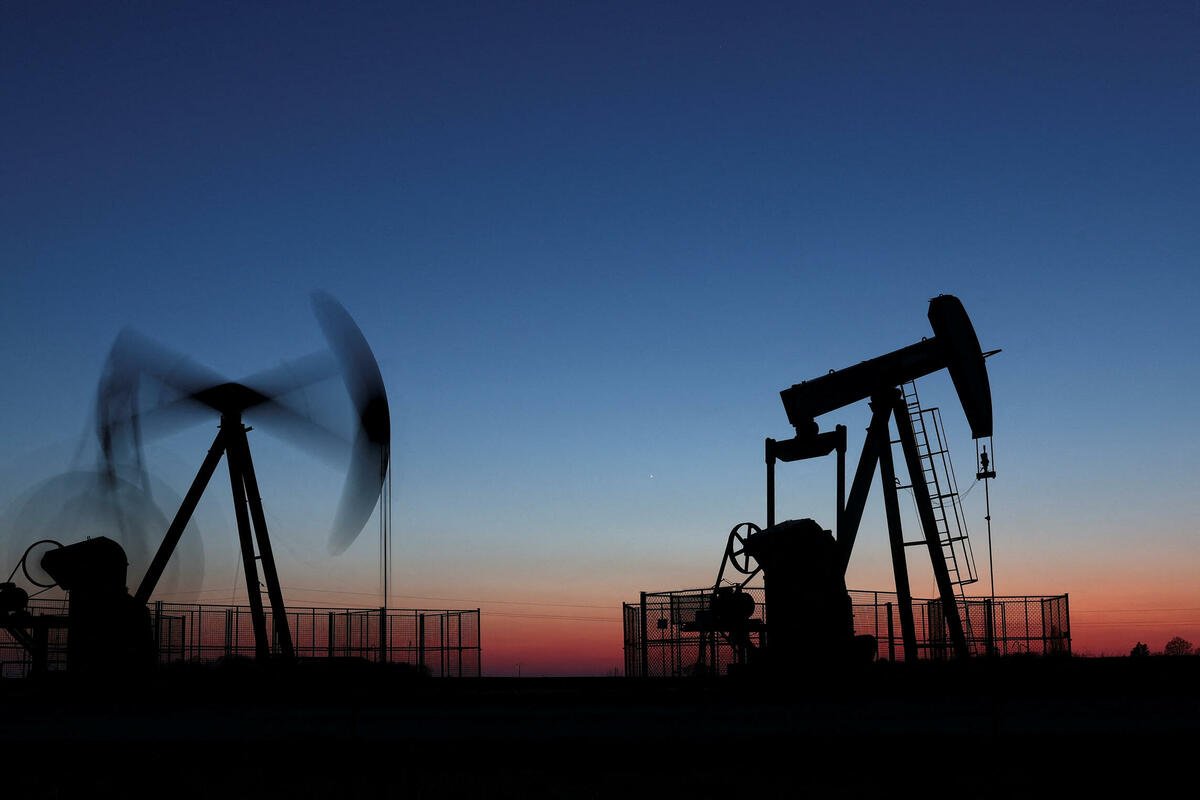
The price of oil has hit its highest level since the start of the war in Ukraine in 2022, sparking renewed global concern over allegations that the US military will report to President Donald Trump on new options for action against Iran.
According to the Axios news portal, US Central Command has drawn up plans for a wave of “short and powerful” strikes aimed at breaking the deadlock in negotiations with Tehran.
The BBC has contacted the Pentagon and the White House for comment.
But the potential impact goes far beyond the price of fuel.
Experts say the mechanism is a chain reaction: when the price of oil rises, the consequences spread to the entire world economy.
A spike in oil prices “has a domino effect not just on oil, but on oil products, inflation and virtually every factor in our daily lives,” says Navin Das, senior oil analyst at data and analytics platform Kpler.
“We could see more headlines about renewed de-escalation efforts,” he adds.
1. Oil becomes more expensive
This is the starting point.
The price of crude oil rises due to supply concerns, geopolitical conflict or market speculation.
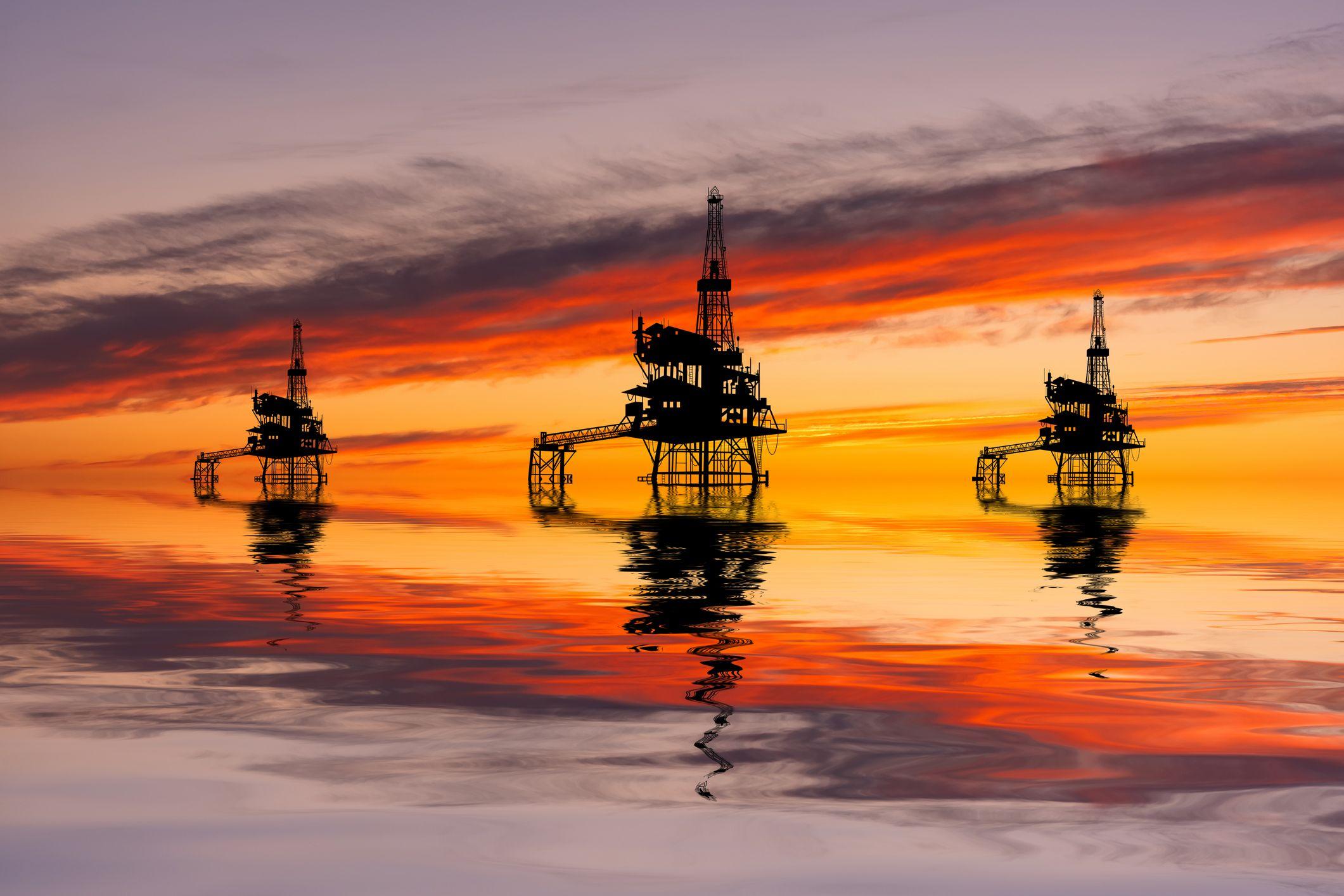
The price of Brent crude briefly jumped nearly seven percent to more than $126 a barrel, before settling back to around $116 in European trading.
Prices soared this week as peace efforts collapsed and the Strait of Hormuz remained virtually closed, raising the price of fuel for car owners.
Before the US-Israeli attack on Iran began, the price of Brent crude was around $70 a barrel – or 80 percent below Thursday’s peak.
Crude oil is a key component in gasoline and diesel, which means the higher retail price is felt at gas stations.
The current Brent futures contract for June delivery expires at 23:00 GMT on Thursday, while the more actively traded July contract is around $110 a barrel.
Futures contracts are agreements to buy or sell assets at a fixed price for some future date.
2. Growth in the price of petroleum products
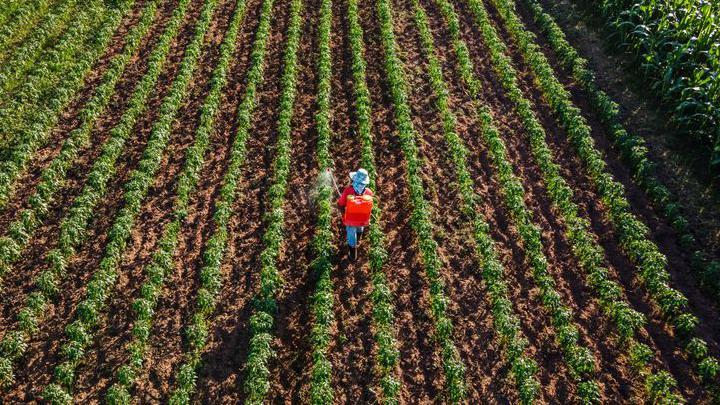
Oil is not only used for fuel, but has a crucial impact on a wide range of products.
As a consequence, the higher price of crude oil is passed on to higher production costs in all industries such as jet fuel, plastics and packaging, as well as chemicals and fertilizers.
Governments have warned that households could face higher energy bills, higher food prices and higher airfares as a result of the conflict.
Some airlines have already started raising fares or canceling routes.
The price of artificial fertilizer is already on the rise, which will eventually affect the price of food.
Suzanna Streeter, chief strategist for investment consulting firm Wealth Club, says costs could remain elevated in the coming year.
“Shipments of urea, which is used for fertilizer, have been blocked and costs have skyrocketed for farmers around the world who have not bought supplies in advance,” she says.
“There are concerns that these costs will ripple through supply chains, pushing up the price of everyday goods later this year and into next year.”
3. Transport is more expensive
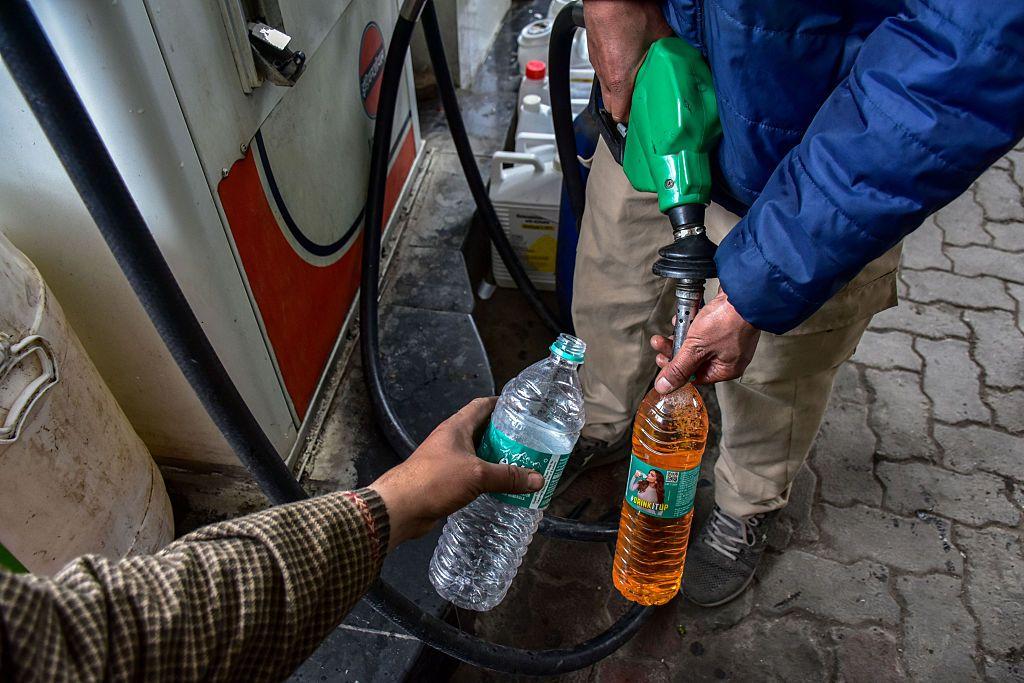
Since almost everything depends on transportation—food, consumer goods, and raw materials—higher fuel prices directly increase transportation costs.
When it becomes more expensive to move goods around the world, companies tend to pass those costs on to consumers, putting additional pressure on retail prices.
4. Inflation is rising
These rising costs are accumulating throughout the world economy.
As energy becomes more expensive, companies face higher operating costs, from running factories to heating buildings and transporting goods.
The price of food is also jumping, because farming, packaging and distribution depend on oil-related fuels and fertilizers.
Everyday products, from shoes to electronics, are similarly becoming more expensive to manufacture and ship.
As this growth spreads across multiple sectors at once, price pressures become more widespread and persistent.
When this pattern continues over time instead of just being a short-term spike, economists describe it as inflation – a general, uninterrupted rise in the cost of living.
“The whole world is facing this, some countries more, some less,” says Andre Perfeito, a Brazilian economist who runs the consulting firm APCE.
“Brazil is suffering a lot, for example,” he adds, noting that inflation has remained persistently above the central bank’s target range in recent months.
Having peaked above five percent in mid-2025, Brazil’s annual inflation eased gradually but remained elevated, hovering around 4.3 percent to 4.4 percent in early 2026, still near the upper end of the three percent target range.
It is now expected to end the year at 4.86 percent, according to the latest forecasts from the country’s central bank, due to the conflict in the Middle East.
A large number of other countries followed a similar pattern.
5. How it is maintained in everyday life
For households, this ultimately translates into everyday life in a multitude of ways.
Grocery bills are rising, commuting is more expensive and utilities are rising.
As the cost of living rises, workers may seek wage increases to cope, which may exert additional inflationary pressure.
In response, central banks could raise interest rates to bring inflation under control, making mortgages and loans more expensive and discouraging spending and borrowing.
In some countries, such as Pakistan and Bangladesh, the government has ordered schools to close to save fuel and cut costs.
“All this creates room for a slowdown, a global recession,” says Perfeito.
“There’s not much way to think about a short-term solution. I don’t believe Trump is going to tone it down, at least not for now,” he adds.
In its latest World Economic Outlook, the International Monetary Fund (IMF) warns that the conflict in Iran risks derailing the economy, with a prolonged escalation raising the risk of a global recession.
He also urges central banks to be cautious about raising interest rates in response to rising inflation.
But US Treasury Secretary Scott Bessant told BBC News that “a bit of economic pain for weeks” was justified if it reduced the risk of Iran developing nuclear weapons.
“I’m less concerned about short-term forecasts for the sake of long-term security,” he said.
BBC is in Serbian from now on and on YouTube, follow us HERE.
Follow us on Facebook, Twitter, Instagram, YouTube and Viber. If you have a topic suggestion for us, please contact us bbcnasrpskom@bbc.co.uk
Download the application and follow the news


FOLLOW US ON

News