TRINIDAD AND TOBAGO has declined to participate in Caricom meetings until Prime Minister Kamla Persad-Bissessar is furnished with requested documentation on the reappointment of Secretary-General of the regional bloc Dr Carla Barnett.
Trinidad and Tobago will also not recognise Barnett as Secretary-General after her current term expires in August.

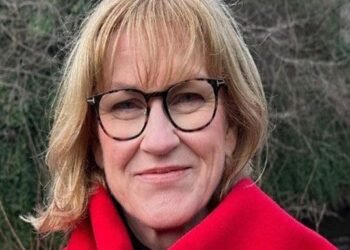
REAPPOINTED: Dr Carla Barnett
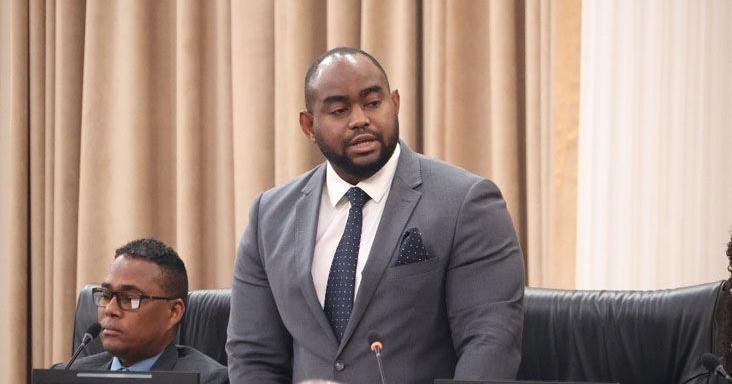
These were key elements contained in a letter dated April 9, 2026 from Foreign and Caricom Affairs Minister Sean Sobers to Caricom chairman Dr Terrance Drew.
Trinidad and Tobago maintained its position on the issue with this country’s decision to not participate in a 25th Special Emergency Meeting of the Conference of Heads of Government of Caricom yesterday.
In his letter, Sobers refuted Drew’s claim that he (Sobers) had issues with seasickness and, therefore, could not attend a retreat in Nevis where a decision was taken on the reappointment of Barnett for another five-year term.
Sobers said this was untrue and offered correspondence to show that T&T was disinvited to the retreat.
He further requested that T&T be furnished with detailed information.
Sobers emphasised that the country remains willing to engage once the requested information is provided, framing the dispute as one rooted in the need for transparency and adherence to proper governance procedures.
“Trinidad and Tobago maintains the position that the matter of the reappointment of the Secretary-General is of grave importance and should be openly and transparently discussed by all Heads of Government, not a select few, at an appropriately scheduled meeting with a pellucid agenda. Trinidad and Tobago, therefore, declines to attend any meeting proposed until Trinidad and Tobago is furnished with the relevant information requested in previous missives issued to your good self,” stated Sobers.
The letter stated: “Trinidad and Tobago recognises the authority of Ms Carla Barnett as Secretary General of Caricom, ONLY for the remainder of her current 2021-2026 term, which is due to expire in August 2026. Consequently, the Government of Trinidad and Tobago DOES NOT recognise Ms Barnett’s reappointment for another term, as the process undertaken was surreptitious, corrupted and flawed.”
Sobers, at a news conference on Thursday, made it clear that T&T remains committed to Caricom and had no intention of leaving the regional bloc and emphasised that the core issue was the operations of the body.
On March 25, Sobers had written to Drew requesting information on Barnett’s reappointment, arguing that this move was in breach of the Revised Treaty of Chaguaramas as T&T was not privy to these discussions as well as other nations who were not present at a retreat.
Further letters dated March 31, 2026 were again sent to Drew and Barnett by Sobers and also by the ministry’s permanent secretary to the Caricom Secretariat seeking information.
Prime Minister Drew responded via letter dated April 8, 2026 to Prime Minister Kamla Persad-Bissessar saying that T&T was duly informed and invited to the retreat.
Sobers, in a letter dated April 9, 2026, wrote to Drew on Persad-Bissessar’s request.
The minister categorically rejected assertions made by Drew stating there were “misrepresentations of the facts” surrounding the incident.
He clarified that while Persad-Bissessar spent three days in St Kitts and Nevis, she did not remain for the retreat itself, and that the rest of the Trinidad and Tobago delegation stayed until the conclusion of the conference on February 27.
Sobers disputed claims that Caricom had enquired whether he could attend the retreat.
He said no such communication was made to either himself or the Prime Minister.
He disclosed that he received a WhatsApp message from the Caricom Secretariat on the morning of the retreat indicating that the session was restricted to Heads of Government only.
This restriction, he said, was later confirmed through official channels, including Caricom’s Chef de Cabinet, effectively excluding him despite his formal designation as Head of Delegation.
Sobers argued that the decision contravenes Article 11 of the Revised Treaty of Chaguaramas, which allows Heads of Government to appoint representatives to attend meetings on their behalf.
Retreat agenda
Sobers reiterated his concerns about transparency and governance within Caricom, particularly regarding how the issue of Barnett’s reappointment was handled.
He noted that the working document for the retreat agenda—under the item “Financing and Governance”—made no reference to the reappointment of the Secretary-General.
The minister said such a significant matter should have been clearly listed and discussed transparently by all Heads of Government, rather than introduced in what he suggested was a limited and opaque setting.
He also expressed concern that the process appeared to deviate from established precedent, where reappointments are typically treated as standalone agenda items for full discussion.
Further, Sobers questioned why the issue was discussed in February 2026 when Barnett’s current term does not expire until August, especially given a scheduled Heads of Government meeting in July.
Sobers expressed concern that Drew may have been “misadvised” or “deliberately misinformed” regarding Trinidad and Tobago’s availability and participation.
“Prime Minister, you may wish to note that in my conversation with the Secretary General on the morning of the retreat, I was pellucid that Trinidad and Tobago was available to participate and prepared to attend the retreat. It is, therefore, extremely worrisome to me, Prime Minister, that you have been misadvised and perhaps deliberately misinformed by the Caricom Secretariat as to my availability on that day,” stated Sobers.
He also pointed to inconsistencies in communication, including the absence of formal documentation notifying member states about the reappointment process.
The letter referenced public statements by Guyana’s President, Irfaan Ali, who indicated that the process used in 2026 mirrored that of 2021. In response, Sobers requested full documentation from the 2021 process to allow for comparison.
Additionally, Sobers questioned why the matter of the reappointment was not included in the official Summary of Confirmed Decisions circulated to member states on March 2, 2026, and why it took approximately one month for the issue to be formally brought to Trinidad and Tobago’s attention.
The Government has insisted that these issues must be addressed before it re-engages in discussions within Caricom.
The following is a summary of the detailed list of information and clarifications Sobers requested from the Caricom leadership:
• The full agenda of the February 26, 2026 retreat
• The complete list of invitees to the retreat
• All minutes from the retreat
• Performance appraisals of Secretary-General Carla Barnett
• All written communications inviting nominations for the Secretary-General position
• Identification of the individual(s) who advised that the reappointment could be addressed during the retreat
• An explanation for the urgency of discussing the reappointment in February 2026 despite the term ending in August and a meeting scheduled for July
• Documentation confirming whether all member states and authorised representatives were invited to the retreat
• Evidence of whether Chairman Drew instructed that the retreat remain limited to Heads of Government
• Justification for departing from established precedent in handling the reappointment process
• Reasons for the omission of the matter from the March 2, 2026 Summary of Confirmed Decisions
• Proof that prior communications on the reappointment were sent, as claimed
• An explanation for the delay in informing Trinidad and Tobago about the matter
• Full documentation from the 2021 Secretary-General appointment process for comparison