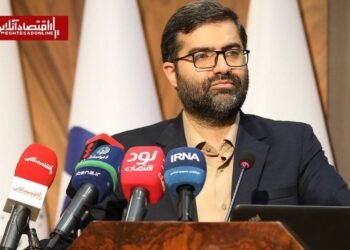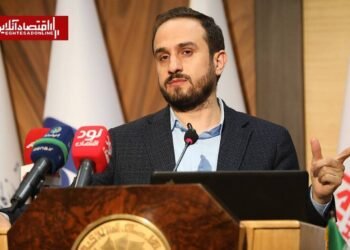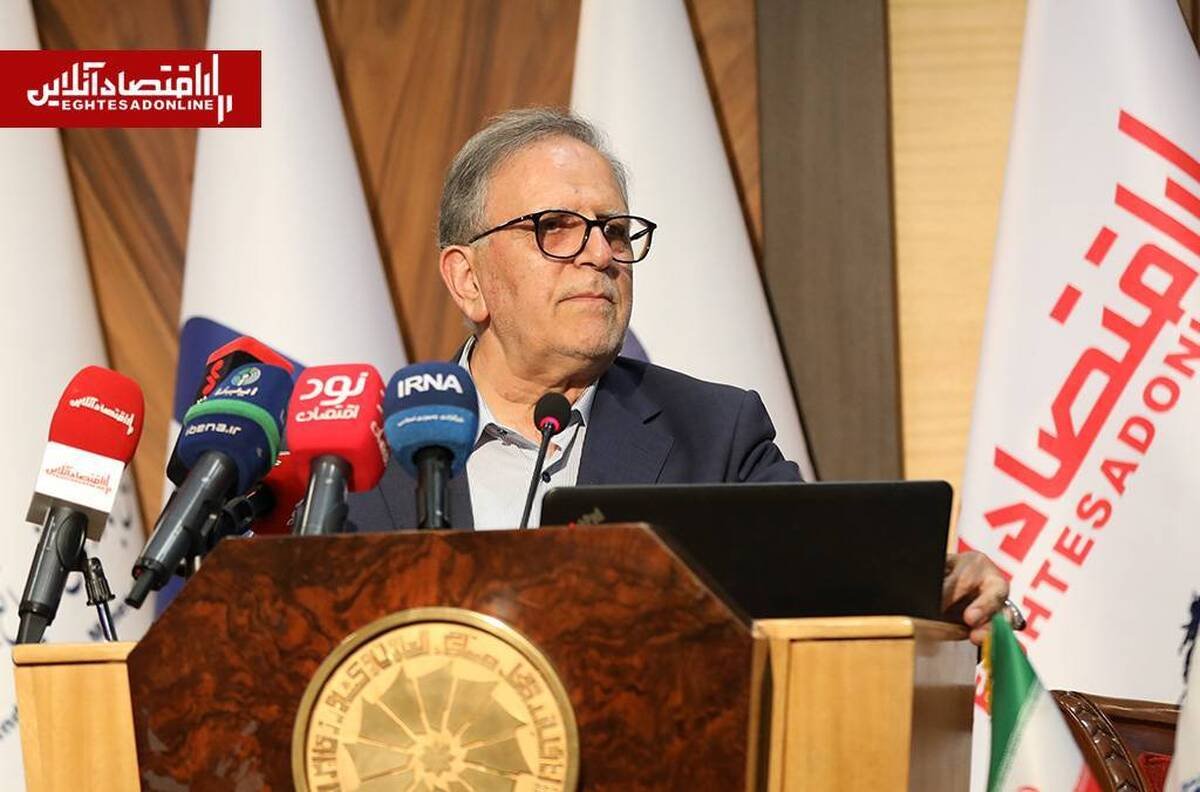
According to Ekhtaz Online reporter, Valiullah Saif, the former head of the Central Bank, said at the “Businesses in Crisis” conference, which was held with the joint cooperation of Ekhtaz Online and the National Organization of Entrepreneurship, that monetary policy in the crisis should not seek optimization but should seek to prevent collapse.
He added: Iran’s economy suffered from imbalances before the war. Chronic double-digit inflation, financial domination (dependency on budget deficit), natrage banking system and foreign restrictions and embargo.
The central bank’s hands are tied
Saif stated: Monetary policies in the current situation start with closed hands, the policy objectives should be modified and implemented.
The former head of the Central Bank continued: In this situation, inflation cannot be reduced, but hyperinflation must be prevented, the government should keep its financing to a minimum, because monetary financing is very dangerous.
Dissatisfaction cannot be removed
Saif stated: Another task is to maintain the payment system and also manage the currency market, in the current situation, it is not possible to completely remove the bank imbalances.
The former head of the Central Bank emphasized: Now the goal should not be structural reforms but to prevent the crisis.
He stated: Government financing is possible in three ways, the targeted issuance of debt bonds that are neither suppressed nor without a ceiling, controlled monetization with a specific ceiling and complementary tools such as clearing and pre-sale, the important thing is that predictability is more important in this regard than the amount.
We have to pass the mandated rate
In another part of his speech, Saif stressed the importance that we should completely go beyond the mandatory approach in the field of interest rates, and said: Also, the creation of an interest rate corridor and prevention of very negative interest rates should also be done.
He continued: The increase in uncertainty turns pseudo-money into money and increases inflation without the need to increase the monetary base.
Survival is the priority
Saif stated: The priority of the banking system should be survival, and measures in this direction are providing targeted liquidity, temporary regulatory flexibility, and channeling credit to vital things such as food, medicine, and transportation.
The former head of the Central Bank stated: Regarding the foreign exchange policy, it should be accepted that the multi-rate currency should be accepted, but its scope should be limited and there should be a plan to move towards a single rate, and the demand for the currency should be controlled and its supply should be strengthened.
The inevitable rise of the informal economy
In the final part, he said: It must be said that the informal economy increases in the current situation and reduces the effectiveness of the monetary policy. Besides, the monetary policy in the crisis is not only a technical tool, but its distributional effects should be paid attention to.
Saif concluded: It should not be allowed that policy-making during the crisis spreads to the post-crisis as well. The criterion of success in this test is to maintain public trust, the continuity of the government’s performance and prevent financial collapse.