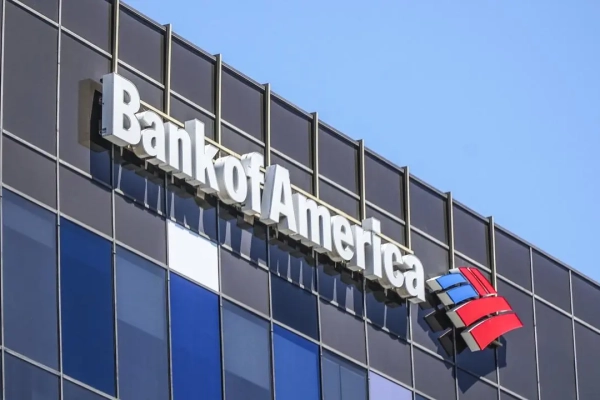
Delegations of the International Finance Corporation (IFC) – arm of the World Bank Group specialized in the private sector – and the US financial institution Bank of America (BofA) will make an official visit to Venezuela during this week, in what constitutes an unprecedented institutional approach after years of distancing and operational absence in the country.
The displacement of both missions occurs in a context marked by the interest of financial organizations and multilateral funds in evaluating the behavior of the Venezuelan market and explore possible corporate financing and direct investment schemes.
According to information disclosed by the specialized portal Economic Logthe representation of the IFC will have working meetings with sectors of the national private business interested in attracting international resources for the development and intermediation of productive projects in emerging markets.
For its part, the Bank of America delegation will go to the country accompanied by a commission of international creditors and bondholders issued by the Republic and Petroleos de Venezuela (PDVSA).
The central objective of the financial group lies in examining the macroeconomic conditions of the local market and collecting technical information on the status of Venezuelan external liabilities.
This visit represents the third evaluation trip carried out during 2026 by consortia linked to the Venezuelan debt, after previous deployments of delegations linked to the firms. JP Morgan and Jefferies.
Despite the contacts of foreign investors with officials of the United States Embassy in Caracasthe current administration has avoided formal meetings with the representatives of the creditor funds, keeping the technical guidelines of a possible global restructuring plan for the Venezuelan public debt under reserve.
The arrival of the IFC missions and Bank of America reinforces the dynamics of exploration by actors of the global financial system in the South American market.
The meetings scheduled for this week will focus on the evaluation of country risk, regulations for the protection of private investments and the identification of sectors with financing potential in the national productive apparatus.