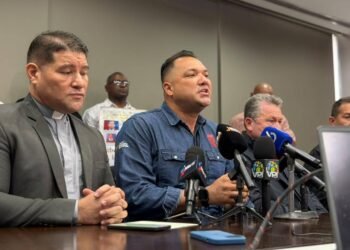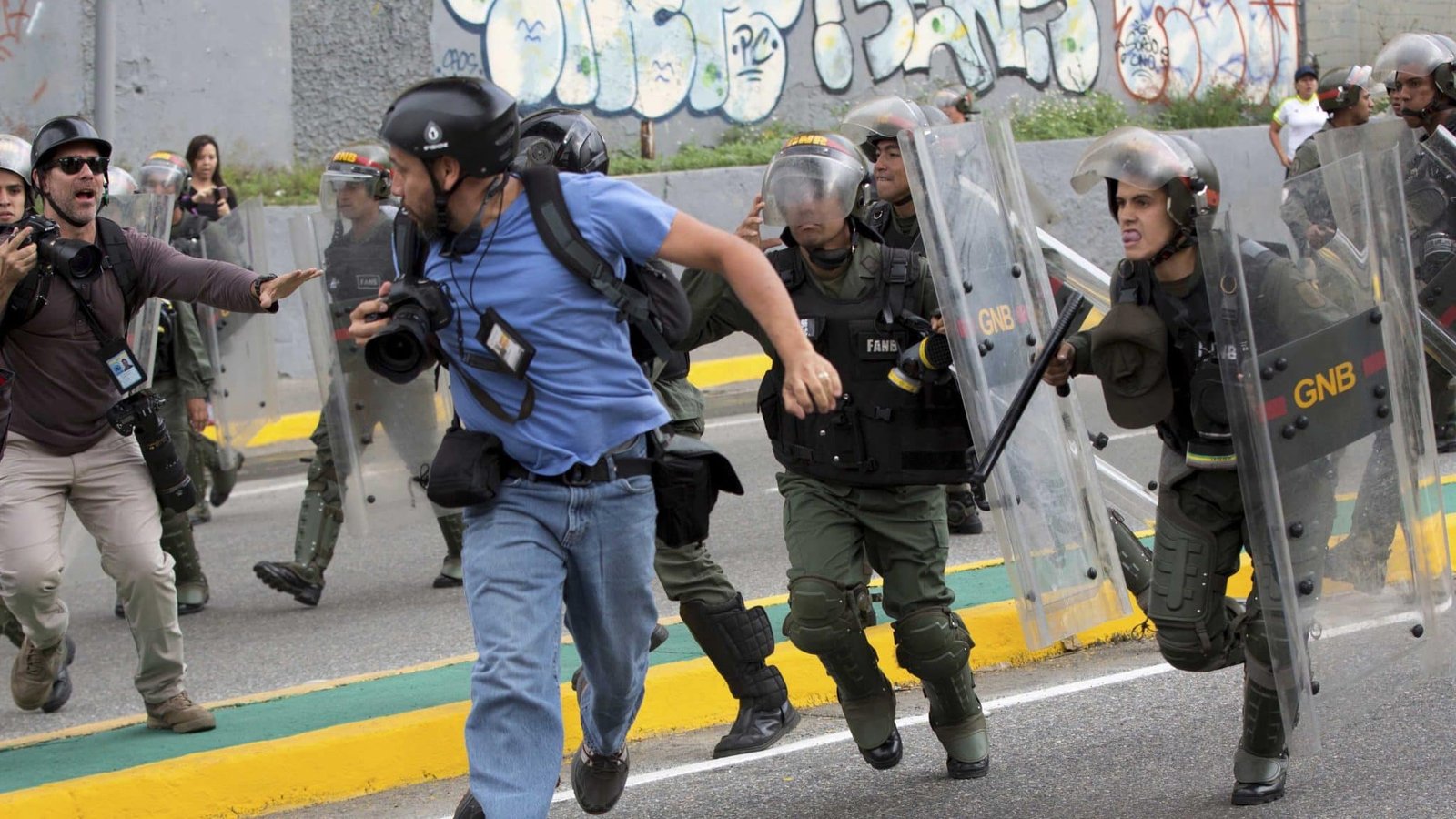
He National College of Journalists (CNP)Capital District section, presented this Monday its balance on the state of freedom of expression and the exercise of journalism in the country, corresponding to the period between January 1 and October 31, 2026.
The figures collected by the Monitoring Observatory of the journalistic union account for a total of 155 incidents and direct attacks against social communicators, photographers, foreign correspondents and media outlets, configuring a scenario characterized by permanent harassment and imposition of barriers to the flow of information.
According to the breakdown presented by the union organization, the typology of the 155 events documented during the first ten months of the year covers a spectrum of violations ranging from direct intimidation on public roads to punitive measures of an administrative and institutional nature:
Bullying: 37 cases
Impediment to coverage: 26 cases
Arbitrary arrests: 23 cases
Harassment: 16 cases
Deportation of foreign correspondents: 15 cases
Direct attacks: 13 cases
Compulsive deletion of audiovisual material: 12 cases
Direct threats: 7 cases
Closure of radio stations: 4 cases
Attempted theft of equipment: 1 case
Confiscation of press credentials: 1 case
The analysis of the directive of the CNP Caracas points out that the recurrence of these actions shows a policy aimed at restricting the constitutional right of citizens to be informed, promoting patterns of self-censorship and limiting coverage of the institutional, social and community dynamics of the country.
“Journalism in Venezuela is under constant threat. Forced norms and coercive measures are insisted on seeking to intimidate, incite self-censorship and limit the work of those who report the reality,” declared Edgar Cárdenas, secretary general of the CNP Caracas.

Censorship patterns in the digital ecosystem, in the regions and in institutional headquarters
The union’s report specifies that the methods of intimidation and restriction of field work are carried out in a differentiated manner both in the capital city and in the interior of the country, covering direct attacks of irregular actors, persecution by security agencies and discretionary blockades in State facilities.
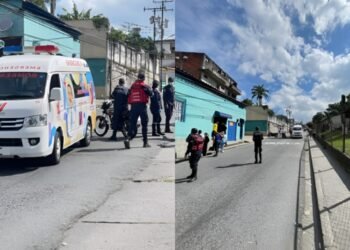
At the regional level, the CNP documented the case of Ricardo Tarazonamedia correspondent The Carabobeño and What’s happening in Venezuela in the state of Yaracuy, who was threatened while collecting community testimonies about the shortage of ambulance units in the town of El Picure, Urachiche municipality.
During the development of the field work, a subject who identified himself as a community member interrupted the interviews with the neighbors, prevented the journalistic recording, alleging that it was a “political activity” and cornered the communicator in the company of armed civilians. The reporter managed to leave the scene through alternative routes with the help of area residents.
The observatory recorded incidents of surveillance and harassment during human rights coverage in the state of Lara.
At a rally called by the Alliance of Relatives of Victims of Venezuela On October 27 in front of the Public Ministry and in the town of Santa Rosa, members of the Lara State Police and civilians belonging to unidentified security forces pursued, photographed and maintained close monitoring against the press teams and the attending families.
At the level of central public institutions, the report denounces that on October 22, during the swearing-in session of the Judicial Nominations Committee In the federal legislative palace, security officials stationed in the chamber prevented Televen and Venevisión reporters from recording live screenings and news previews.
Under the discretionary argument of protecting “security and privacy” parameters, the operational staff prevented the technical work of the television plants from the press balcony of the National Assembly.
Given this panorama, the representation of the National College of Journalists in the Capital District reiterated the demand that public powers guarantee the full exercise of journalism, stop the use of coercive procedures against the press and provide effective safeguards for the work of reporters, cameramen and media workers throughout the national territory.