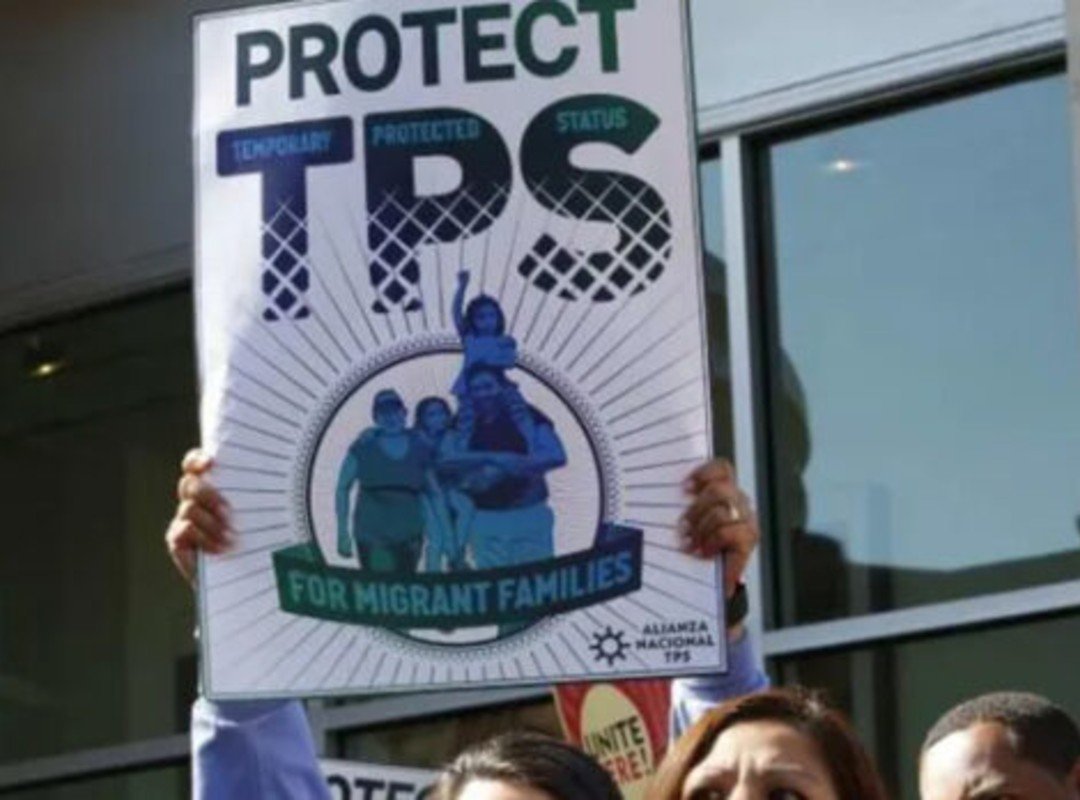
Hundreds of thousands of Venezuelan migrants residing in the United States are waiting with expectation for the possibility of recovering their legal and employment stability after the recent ruling of the Ninth Circuit Court of Appealsbased in California.
The court dismissed a petition from President Donald Trump’s administration seeking to maintain the suspension of the Temporary Protected Status (TPS)opening the way for the restitution of humanitarian safeguards that were revoked from the South American community.
The litigation is framed in the National TPS Alliance v. Mullin case, in which a lower court determined that the former secretary of the Department of Homeland Security (DHS), Kristi Noemincurred an excess of legal powers by untimely canceling the extension of the measure previously granted to Venezuela.
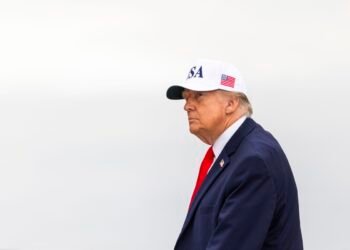
Although the white house In a previous instance, he managed to get the Supreme Court to issue a precautionary measure to temporarily freeze the benefit, said order will formally expire next Friday, November 6, 2026.
If the Supreme Court does not intervene again before that deadline, those affected would automatically regain protection against deportation orders and the validity of their work permits while the trial on the merits of the matter continues.
For the migrant communitythe ruling represents a window of relief in the face of the uncertainty experienced in recent months, in which the loss of status exposed numerous citizens to expulsion processes to third countries.
“There are many people who deserve to be in the United States. There are many Latinos who enter through agreements, who have gone to the United States to work and raise the economy of that country,” stressed a Venezuelan citizen residing in the state of Texas when evaluating the economic and social reach that the restitution of the benefit would have.
Monitoring of procedural deadlines
The class action lawsuit filed against the Department of Homeland Security has been jointly supported by the National Day Labor Network (NDLON), affiliates of the American Civil Liberties Union (ACLU), the Miñana Immigration Law and Policy Center at the University of California Los Angeles (UCLA), and the Haitian Bridge Alliance.
Human rights organizations highlighted that the judicial resolution restores a margin of security to thousands of families who were in legal limbo.
“In the face of this administration’s brutal attack, today’s victory renews our strength to fight for the rights won by previous generations of immigrants: to be able to live and work without fear in the place we call home,” said José Palma, coordinator of the National TPS Alliance.
For their part, the legal representatives of the plaintiff front insisted that the US Executive must acquiesce to the criteria set forth by the federal courts and decline new appeals filed to stop the first instance order.
The constitutional process will continue its course in the federal judicial system to resolve the underlying controversy regarding the discretionary powers of the DHS on the termination of humanitarian protection programs.
Meanwhile, law firms and community platforms urged Venezuelans covered by the program to remain attentive to the resolutions issued by the Supreme Court before November 6, the decisive date for the eventual reactivation of work permits.