READ ALSO
Both corporations guaranteed to vote on the same text, so conciliation was avoided. Which means that the project will be ready to go to presidential sanction this Wednesday. It was a debate against the clock, since if it is not enacted before midnight on November 4, the public order law, which is the basis of this norm and others that past administrations have approved in the first months of their mandate, will lose validity.
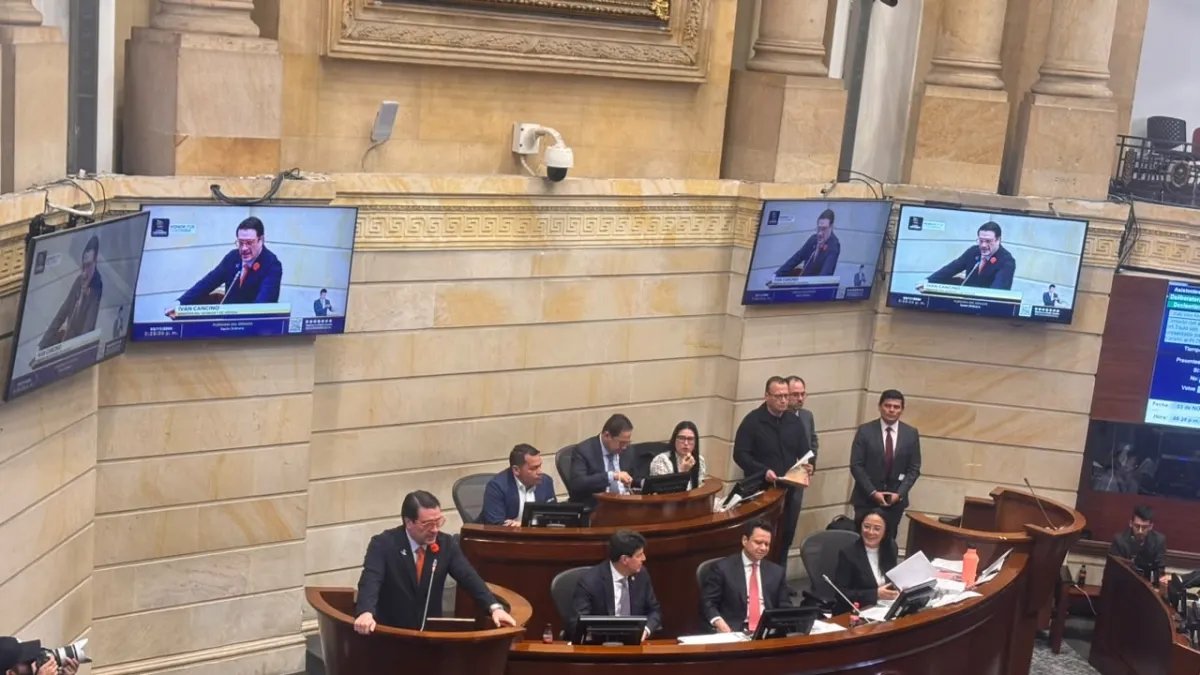
Plenary of the House of Representatives. Photo:House of Representatives.
In that sense, the submission law acts as the urgent legislative vehicle to extend the public order law and at the same time modify important state tools that guarantee the operation of, for example, the witness protection program of the Prosecutor’s Office and the National Fund for Citizen Security and Coexistence (Fonsecon) of the Ministry of the Interior.
It was a debate with many doubts, since the immediate precedent that weighs on the role of Congress is what happened with the General Budget of the Nation for 2027when an error in the procedure ended up leading the Executive to issue it by decree. That is why great care was taken to ensure that both texts were equal and thus avoid a vice that would overthrow this norm.
READ ALSO
Submission law: a decisive day in Congress
The law of submission establishes a new legal framework for the submission to justice of members of illegal armed organizations and criminal structures. The proposal seeks to get them to abandon their criminal activities and hand over the weaponsinformation about their networks, assets and illegal economies, in addition to contributing to the clarification of crimes and the reparation for victims.
Minister of Justice, Iván Cancino, in the debate of the submission law in the Chamber. Photo:MINJUSTICE
The project was presented with an urgent messagepassed a first debate in the First Joint Commissions; However, time began to run short in the plenary sessions. The discussion started on Friday, October 30 in the Senatewhere archival presentation was denied presented by the Historical Pact and the positive presentation was approved. The session allowed progress on four articles, but left the vote on the rest of the articles pending.
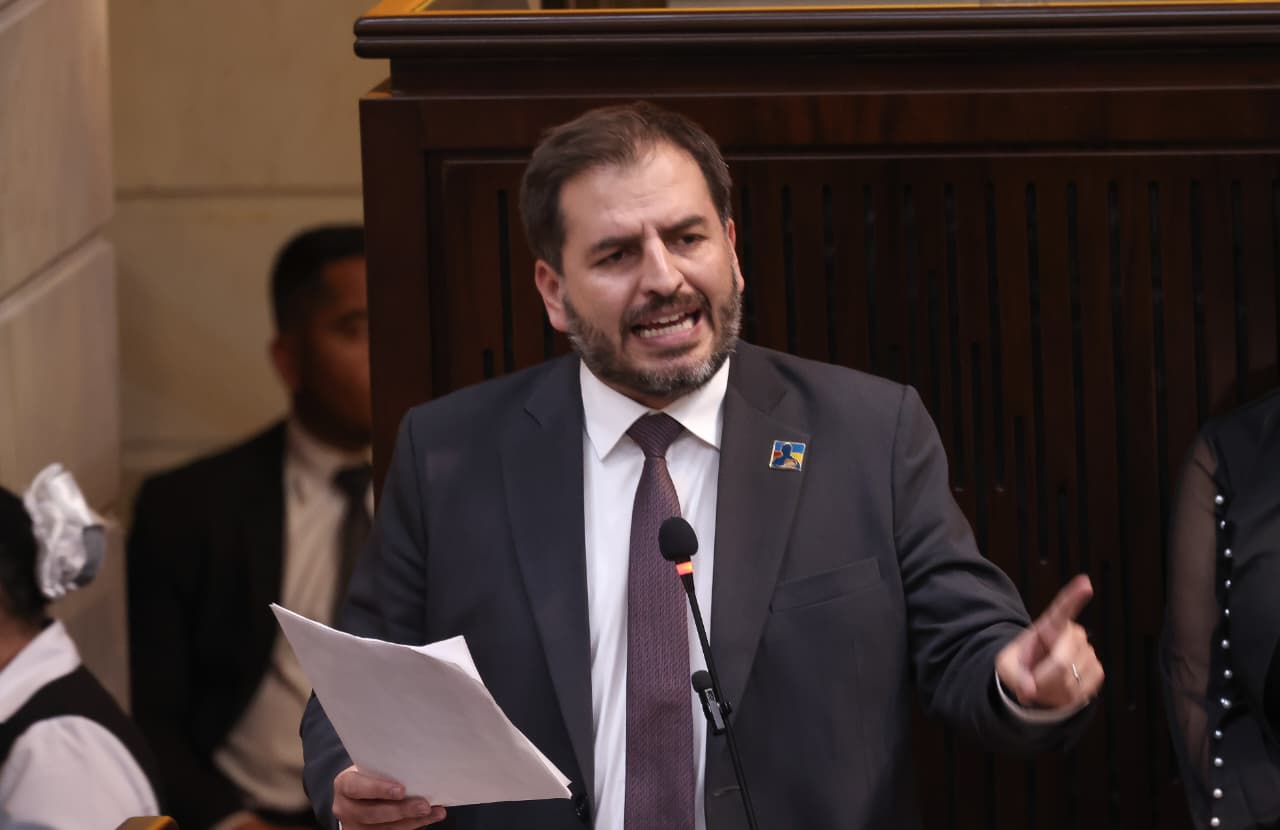
In the House, the debate started Monday, November 2 and was marked by controversy over the procedure. The plenary session denied the presentation that sought to archive the project and initially approved the positive report with 90 votes in favor and 44 against. However, several representatives questioned whether the speaker Daniel Bricenoof the Democratic Centerwould not have supported the presentation nor would deliberation have been allowed before voting.
Given the allegations of a possible procedural defect, the representative Catherine Juvinao asked to reopen the vote. The Board of Directors accepted the request and, after the support and interventions of the congressmen, the positive presentation was approved againthis time with 99 votes in favor and 39 against.
The day ended with approval of articles 5 and 14while the other points of the initiative were pending. The discussion resumed this Tuesday, when both plenary sessions were called to advance simultaneously in the article.
The Senate moved faster in the discussion and was the one that served as a model for what was approved in the Chamber. One of the key changes was the elimination of article 25 related to the use of reserved Fonsecon expenses. As the Senate made this decision, the House even had to reopen a vote on Monday in which it refused to eliminate said point. They also kept only the two new articles approved in the Senate. The latter was done to ensure that both texts were exact down to the commas.
“It is not a peace agreement. It is not a political negotiation. It does not suspend arrest warrants. It does not interrupt extradition processes. Conditions are set for submission without the rule of law being divided or losing its reason for being.” Hernán Cadavid, senator of the Democratic Center and rapporteur of the submission law, after the approval of the text in the plenary session of the Senate. It clarifies that “in no case will there be a penalty of less than ten years in the treatment of this rule.” Video: Juliana Castellanos / EL TIEMPO #LeyDeSutimiento #HernánCadavid #Senado #Justicia #CentroDemocrático
— EL TIEMPO (@ELTIEMPO) November 3, 2026
“A text that is solid was approved and that adapts to the criminal policy of President Abelardo De La Espriella,” said the Minister of Justice, Iván Cancinoto the press after approval. He stressed that the project was built through differences and debate, and that the law will last four years.
A tangled debate
The delay in the House of Representatives was mainly due to the delays led by the Historical Pact with challenges presented against congressmen from different groups, including the Historical Pact, the Democratic Center, the Liberal Party and the ‘La U’ party. The applications were forwarded to the Ethics Commission for study, while the plenary continued with the discussion.
READ ALSO
The strategy to bog down the debate did not work, since the president of the House, Nicolas Barguilwas clear in saying that the filing of the challenges would not lead to suspension of the session. “Here the Board of Directors is not going to fall into the little game of challenges. The one that arrives will be sent to the Ethics Commission. It will not be suspended (the session),” he responded to the representative. María Fernanda Carrascalaround noon.
Nicolás Barguil, president of the House of Representatives. Photo:X: @CamaraColombia
LAURA JULIANA CASTELLANOS GUEVARA – Political writing – EL TIEMPO