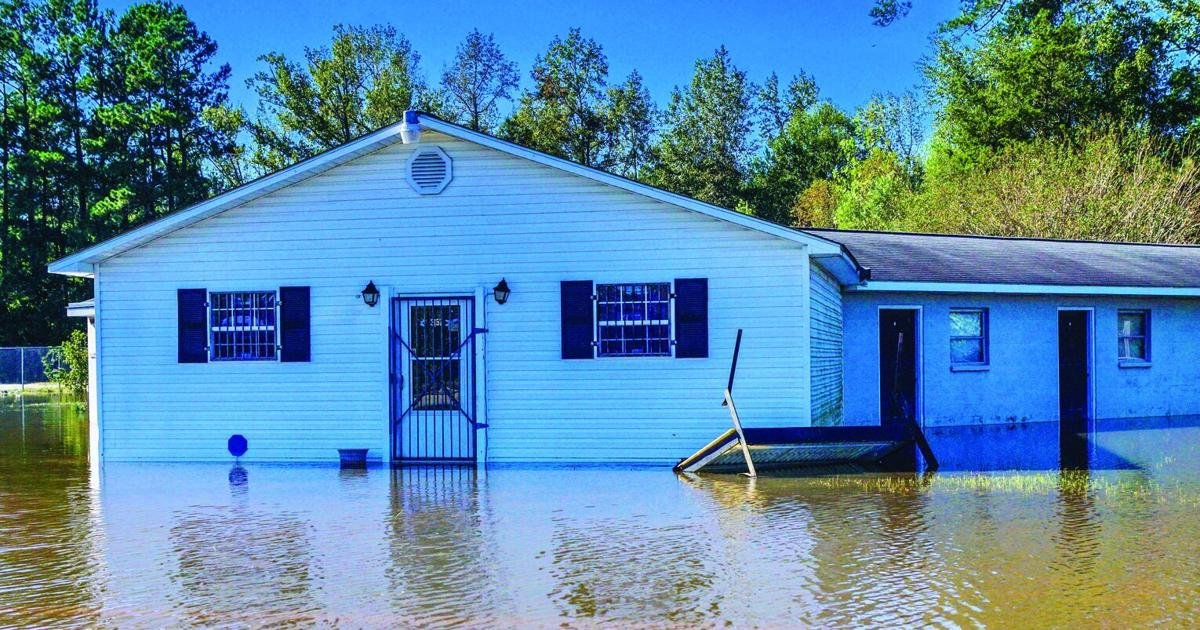
During a major storm, many people mistakenly believe that the wind poses the greatest threat. However, the real danger often lies with the water. As floodwaters rise, they bring with them a host of potential hazards that can turn a storm into a life-threatening event.
The immediate concern with rising water levels is the risk of drowning. Even just a few inches of fast-moving water can sweep away a person or vehicle, creating a perilous situation for those caught unprepared. Furthermore, these floodwaters can be deceptive, often obscuring holes, debris, and other obstacles that can cause injury or damage.
Hurricane Dorian, which devastated parts of Abaco and Grand Bahama in September 2019, showed just how much damage water can unleash.
A storm surge exceeding 20 feet erased years of development on the islands. Homes and businesses were obliterated, along with essential infrastructure and communication networks. Roads and bridges suffered the same fate. The official death toll stands at 74, but the actual number is believed to be much higher.
Beyond the immediate physical dangers, floodwaters can also lead to severe infrastructural damage. Roads can become impassable, bridges may be compromised and homes can suffer significant structural strain. The water can seep into the foundations, weakening buildings and making them unsafe for habitation.
Moreover, as the water level rises, the risk of contamination becomes a pressing concern. Floodwaters often collect pollutants, sewage, and hazardous chemicals, which can lead to outbreaks of disease and pose serious health risks to the affected populations.
In addition to these risks, power outages and communication disruptions are common, further complicating rescue efforts and the ability to reach those in need. Emergency services can be overwhelmed, and access to essential supplies may become limited.
Overall, while the wind can indeed be destructive, it is the relentless rise of water that often proves to be the most insidious and deadly aspect of a major storm. It is crucial for individuals and communities to prioritize flood preparedness and understand the full scope of dangers associated with storm-induced floods.