The National Insurance Board (NIB) will be increasing pensions and grants by 1.5 percent from July 1.
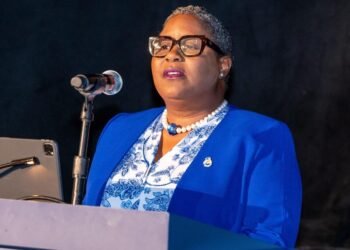
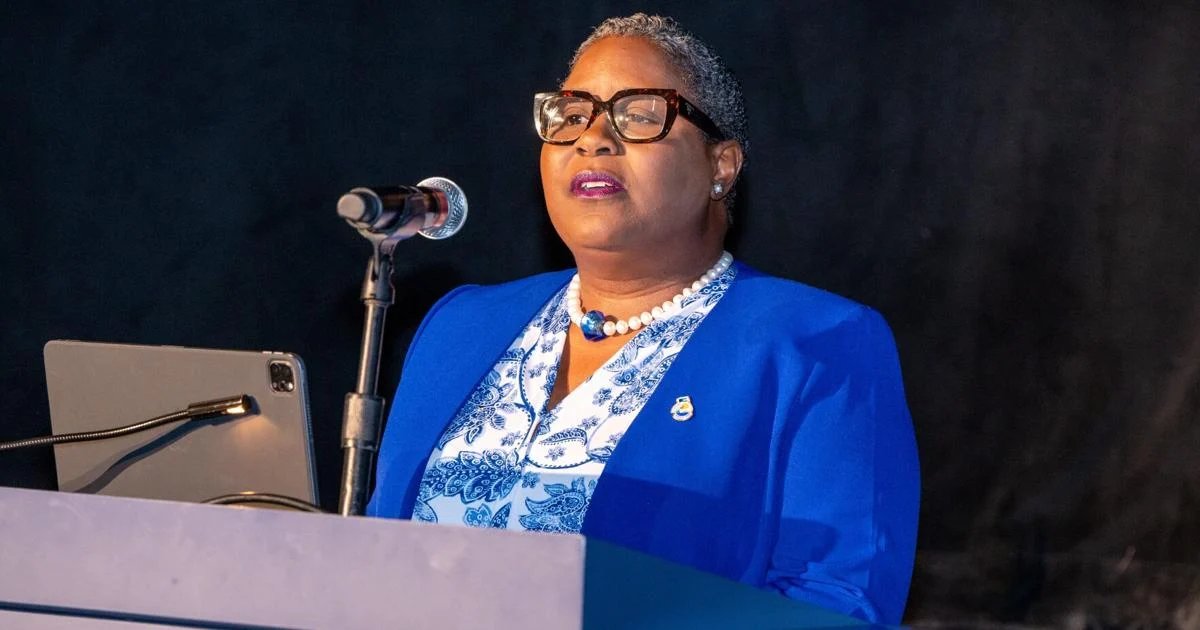
Dr. Tami Francis, director of the NIB, said during a press conference yesterday that the increase reflects the changes in the Retail Price Index over the review period. Along with the 1.5 percent increase in pensions and grants, there will be an increase of $20 in the insurable wage ceiling.
“The Retail Price Index measures those changes across a basket of goods and services that people purchase every day. The law requires NIB to review those changes every two years and to determine the rate at which pensions and grants should be adjusted,” Francis said.
“In simple terms, when the cost of living rises, the National Insurance Board reviews how those benefits should be adjusted accordingly. So, this is exactly what is happening here. These adjustments are not arbitrary. They are part of a process established in law to ensure that NIB remains responsive to economic realities. They help ensure that workers remain adequately insured as earnings increase, and that pensioners receive periodic adjustments that recognize changes in the cost of living.
According to Francis, following the last biennial review, and in keeping with the statutory process established under the National Insurance Act, the government will proceed with the following adjustments, effective July 1.
The weekly insurable wage ceiling will increase from $810 to $830. The monthly insurable wage ceiling will increase from $3,510 to $3,597. All minimum pension rates and grants will increase by 1.5 percent. All pensions currently in payment prior to July 2026 will increase by up to 1.5 percent. The maternity grant will increase from $560 to $570. Funeral benefits will increase from $2,060 to $2,100 for pensioners.
Francis further noted: “These adjustments provide important protection against rising living costs. For example, a pensioner receiving the minimum retirement pension of approximately $364 per month will receive an increase of approximately $5.46 per month.
“Now, while this increase may appear modest, it reflects an important principle: pension benefits should not be frozen while the cost of living continues to change.
“The biennial adjustment process ensures that pensioners receive regular reviews and cost of living adjustments through an established legislative framework, rather than having to wait for special legislative action.”