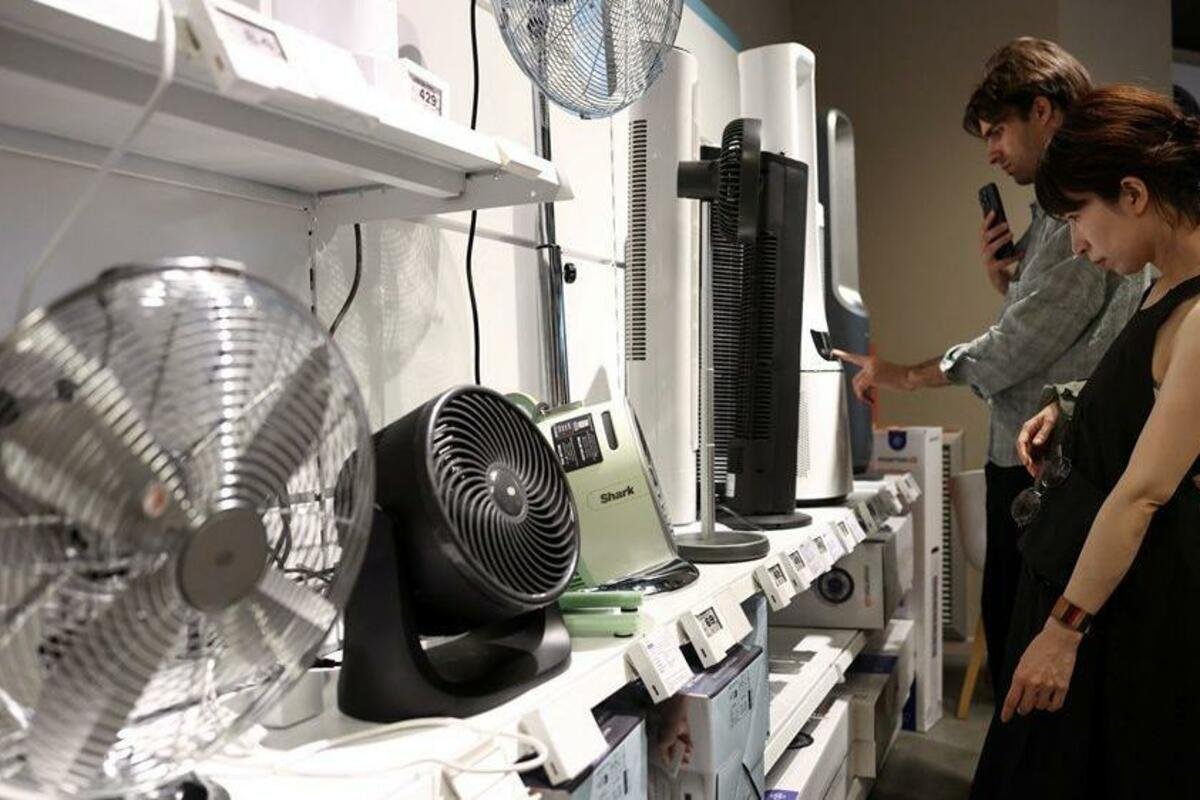
I like to come and work in the office, not from home. Especially in summer.
I don’t mind frost or rain, but anything above 20 degrees Celsius is an elemental disaster for me.
Hardly anyone looks forward to going to work, but I do – when it’s already 30 degrees outside at seven in the morning, and I know I’ll enter the already chilled newsroom.
Of course, discussions with female colleagues who are always cold are inevitable, but I say to them: “Why didn’t you stay at home?” or: “Put on a sweater”.
It sounds undemocratic, but democracy is overrated – in this case.
Before you start criticizing me, keep in mind that people who sweat excessively, even on their faces, look like they’ve just stepped out of the shower – an added extenuating circumstance for me is that I wear glasses that fog up.
Sometimes I delay returning home just to enjoy the benefits of air conditioning a little longer.
I also have an air conditioner in the apartment. I don’t turn it on because it bothers my partner, but it’s important for me to know it’s there.
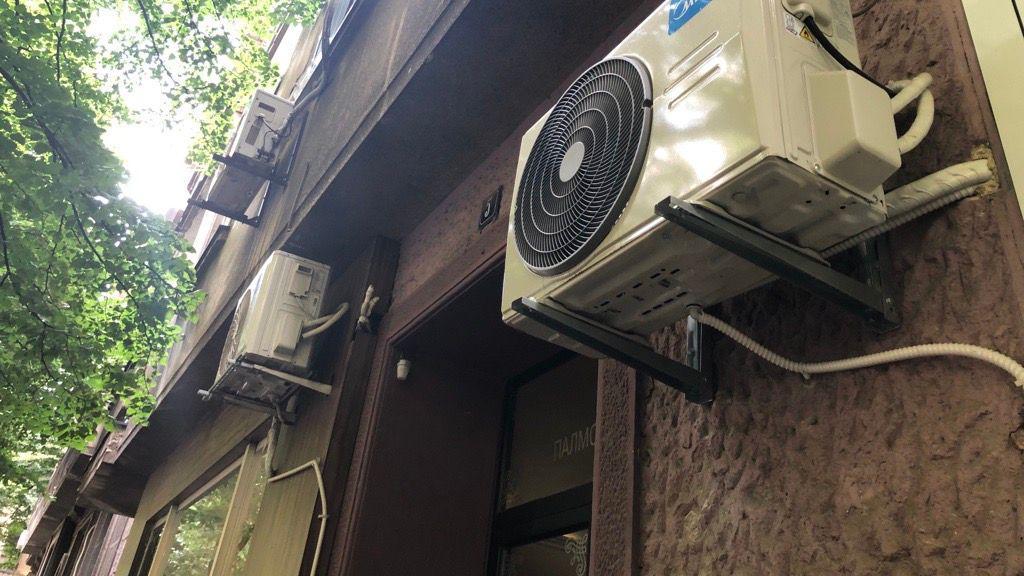
I also bought a fan – just for me – and it saved me during the European football championship two years ago.
I look after him and caress him like a family member.
I know it’s not healthy to breathe air that circulates inside the same room for hours, but it’s enough for me to imagine that I have to go home at 35 degrees – turn the air conditioner down a few degrees.
What would I do without air conditioning, I wonder.
I remember that in the 1980s and 1990s, until air conditioners entered our lives (whoever invented them deserves a Nobel Prize), we used natural ventilation in the apartment on Banovo brdo – we open the window of the room on the 11th floor, because it is drawing “drink”, all the neighbors on the floor open the front door et voila!
I was at war with my brother, with whom I shared a room, because “it blows over his cross”, and I cooled the sheet in the refrigerator just to lie down in the cold.
Experts from the Institute for Public Health in Belgrade advise that the air conditioner is turned on only when the outside air temperature is higher than 30 degrees, and if it is not, then it is enough to open the windows.
Doctors also say that the difference between the air-conditioned space and the outside temperature should be between five and ten degrees.
I don’t dispute the doctor’s expertise, but I monitor my body – and he says: “You will get through the night only if your air conditioner is turned on at 20 degrees or if the fan blows directly on you – at full blast”.
Apparently, more than 58 percent of the population of Serbia who have air conditioners in their homes think similarly. data are from the Republic Institute of Statistics.
Europe: Both lack of money and politics
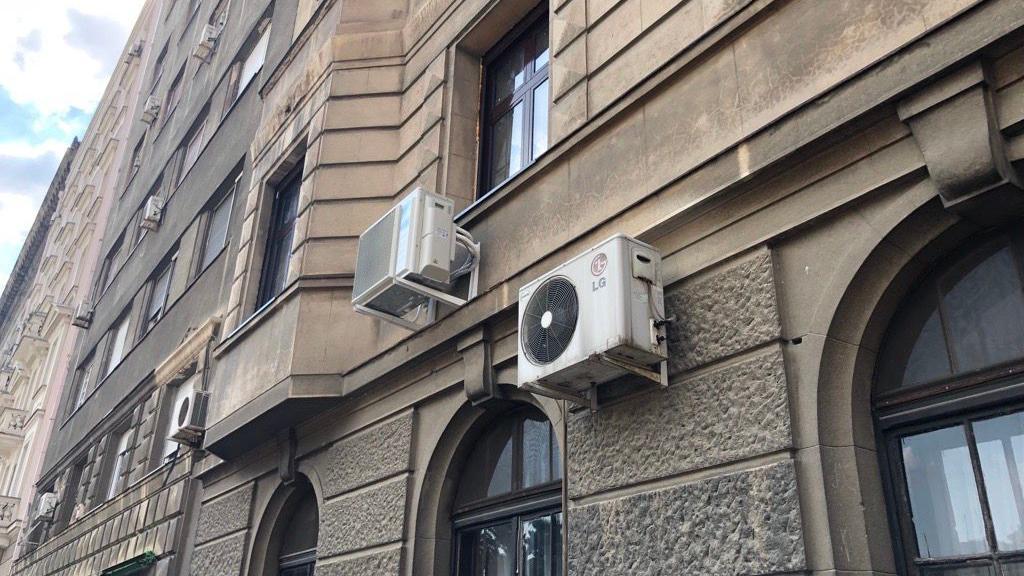
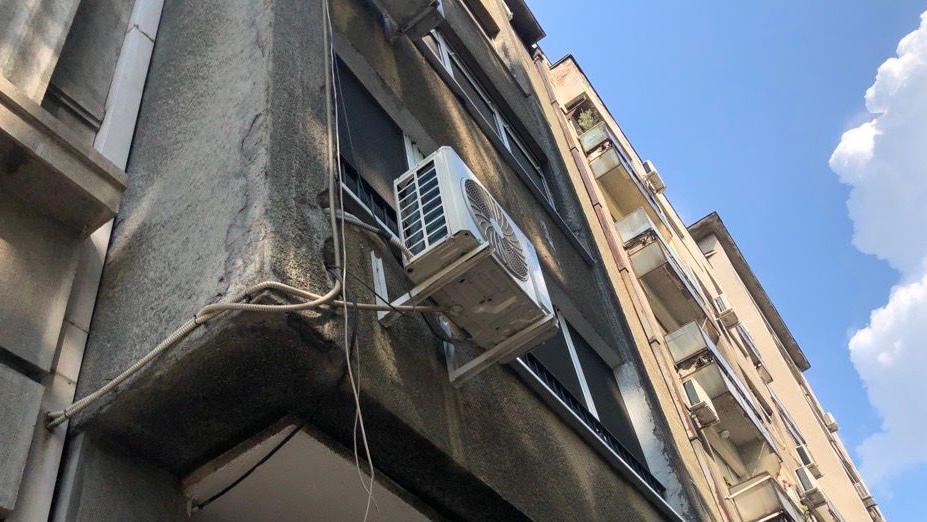
While in Belgrade and other cities in Serbia and the Balkans, air conditioners have become an almost integral part of facades, in some Western European countries they are heated political debate, especially in France.
I was struck by the fact that only 25 percent of households in France have built-in air conditioners.
The green movement has long strongly opposed the idea of mass installation of air conditioning in French households, schools and hospitals, but the heat waves that repeat year after year have forced them to change their attitude.
“In Europe, we simply don’t have a tradition of air conditioning because until relatively recently, it wasn’t a big need,” he told CNN Brian Motherway, Head of the Office for Energy Efficiency and Inclusive Transitions at the International Energy Agency.
In practice, this meant that air conditioning was traditionally considered a luxury rather than a necessity, especially due to the high cost of installation and electricity consumption.
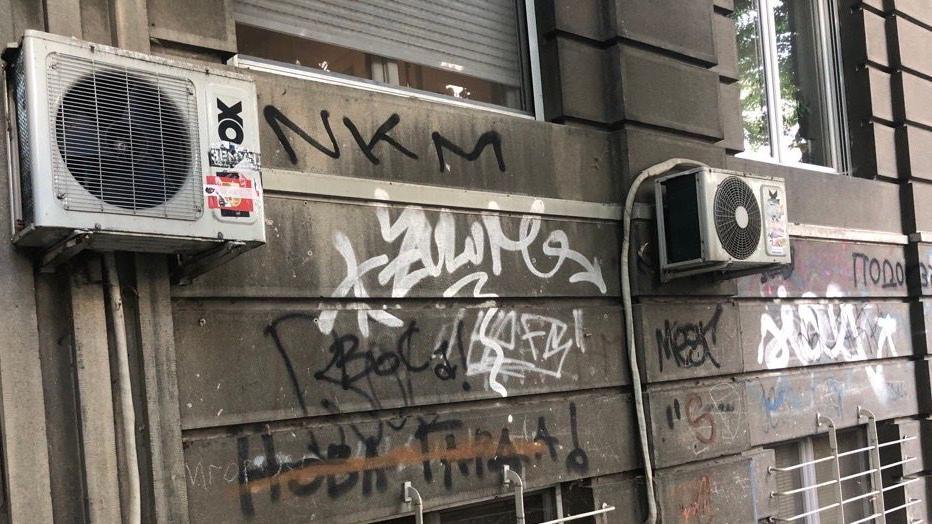
Russia’s invasion of Ukraine raised energy prices, followed by conflicts in the Middle East, and for many Europeans the costs of powering air conditioners are still high.
As many as 42 percent of respondents in France, which is these days when hit by a heat wavesays he can’t afford them, the data is research at the European Union (EU) level.
In the EU, 38 percent of respondents say they cannot afford air conditioning, according to a joint report by the European Environment Agency (EEA) and the European Foundation for the Improvement of Living and Working Conditions (Eurofound).
The highest percentages are in Poland (52 percent), Lithuania (49) and Slovakia (47), however, the figures are particularly high in some of the hottest parts of the continent: 46 percent in Greece, 45 in Portugal and more than a third in Spain (34), Italy (37) and Romania (39).
Malta, Luxembourg and Ireland emerged as the countries with the fewest problems with air conditioning or ventilation systems.
Although people cool their houses in various ways, such as fans, blinds, awnings and thick walls, especially in the Mediterranean, the majority who live in that part of Europe say they don’t have that either – in Spain 61 percent, Portugal 59, Italy 57 or Cyprus 51 percent.
Law in Serbia: Air conditioners are not desirable on facades
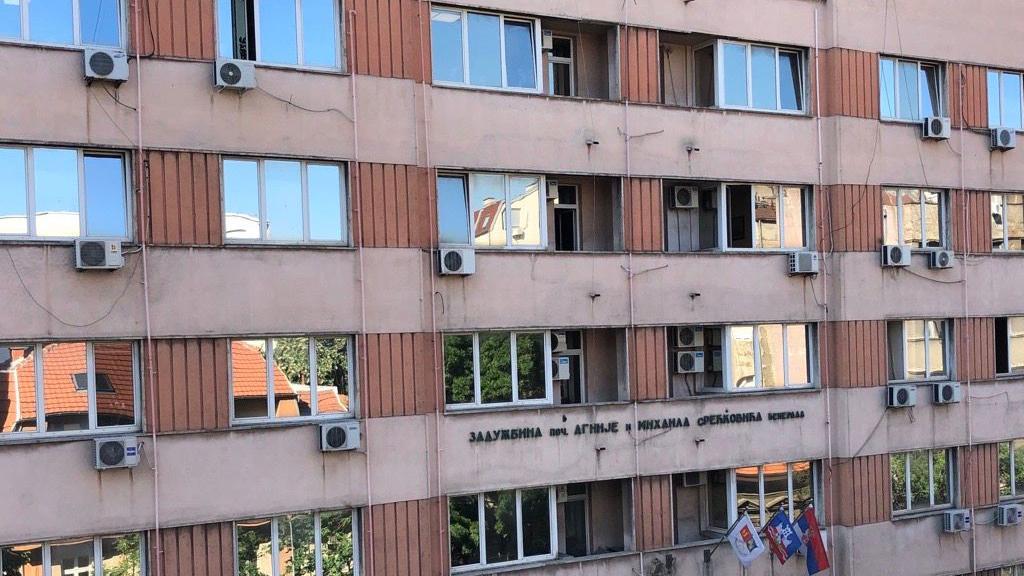
Iasko is in Serbia the law stipulates that air conditioners must not be visible on the facades of buildings, it is enough to look up and see that no one respects this obligation.
Deadline for removing the air conditioner from the facades of buildings in public ownership and in the protected cultural and historical zone expired in July 2025, but despite the threatened high fines, few (almost none) still comply with it.
The deadline for moving air conditioners to less visible places for people living in residential and other buildings is 10 years.
All this doesn’t stop you from turning on the air conditioner, does it?
BBC is in Serbian from now on and on YouTube, follow us HERE.
Follow us on Facebook, Twitter, Instagram, YouTube and Viber. If you have a topic suggestion for us, please contact bbcnasrpskom@bbc.co.uk
Download the application and follow the news


FOLLOW US ON

News