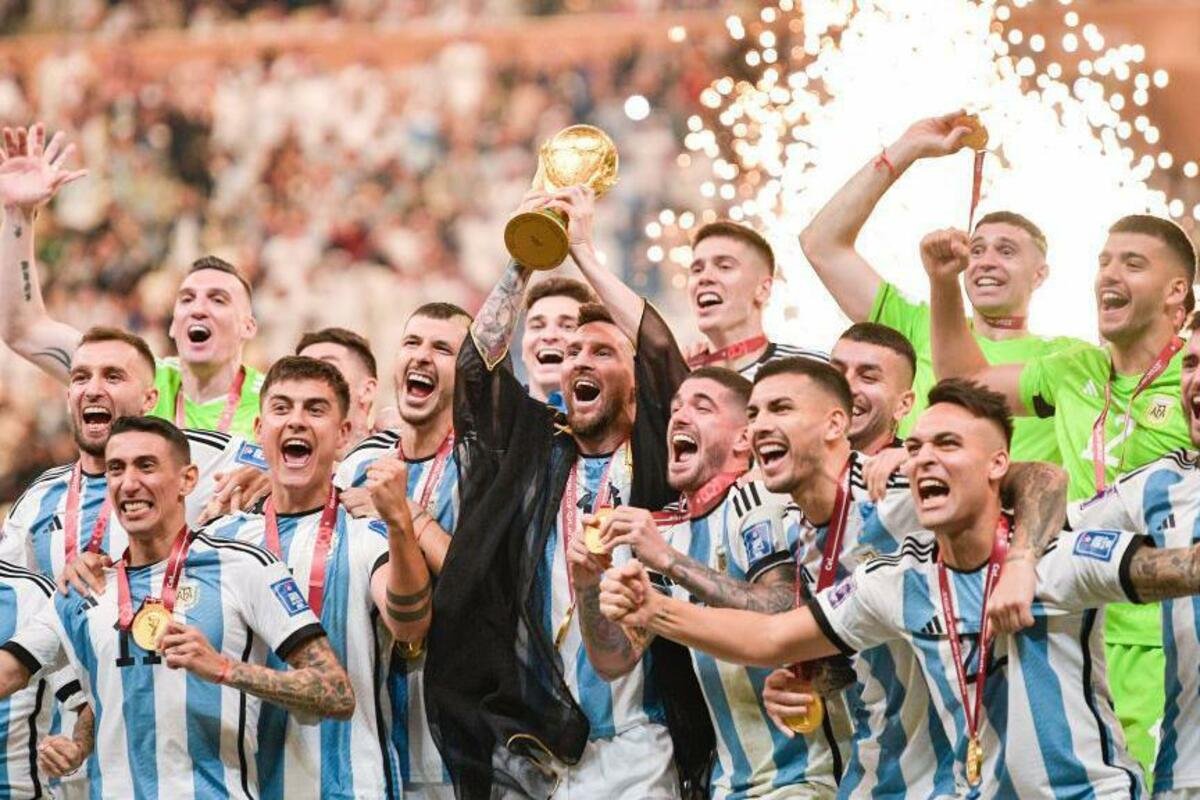
Dahlia Walker believes there was something supernatural about her country’s victory at the last FIFA World Cup.
“I think the magic helped Argentina win,” says the 41-year-old from Buenos Aires.
Dahlia was one of an army of self-proclaimed witches, casting spells and performing rituals on behalf of Lionel Messi and the rest of the Argentina team.
The women named themselves “La Bruhineta”, a combination of “bruha”, meaning witch, and “La Scaloneta”, the nickname for their national team under current coach Lionel Scaloni.
La Bruhinete used “new age” magic, prayers and charms to perform rituals, Dalia says.
They connected with each other through Vocap groups and social media, trying to figure out which aspects of their team’s performance needed the most attention.
Some of the most popular rituals were designed to “freeze” the powers of specific players on the opposing team, something Dahlia disagreed with.
Instead, she preferred what she perceived as more positive rituals, such as lighting candles and sending out “good energy.”
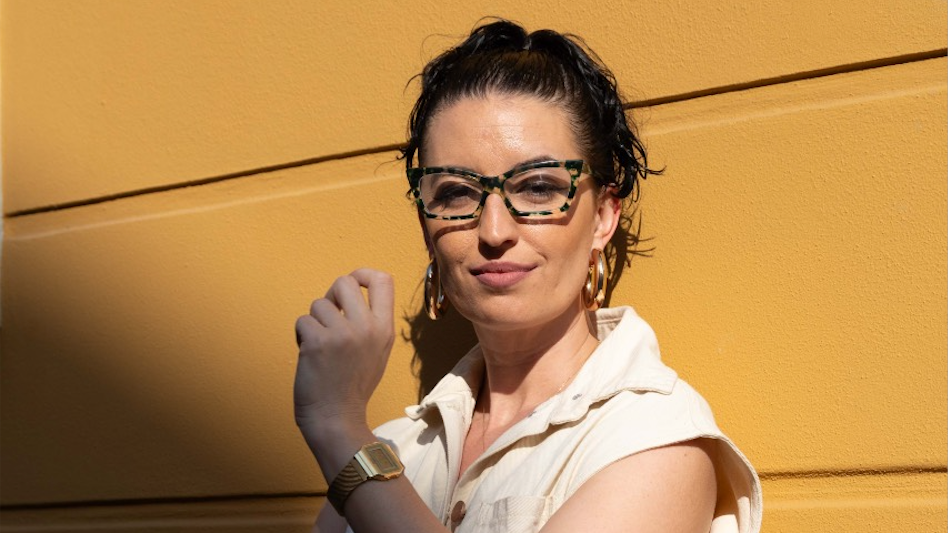
When Argentina won in Qatar in 2022, La Bruhinete saw it as a confirmation of their efforts.
“For me, it really was the World Witch Championship,” Dalia says.
She plans to repeat the same rituals this time around, lighting candles in the blue and white colors of her national team on her altar.
“In Argentina, if something works, the superstition is you have to do it exactly the same way next time.”
La Scaloneta fans aren’t the only national fans to embrace the supernatural.
A group of Peruvian shamans performed a ritual in their capital Lima to help their team qualify for the 2022 tournament.
They lost on penalties 5:4 against Australia.
And throughout the African continent, spirituality is deeply intertwined with everyday life, even when it comes to football.
Rituals and amulets
For some, that means indigenous belief systems and traditional healers.
In 2002, the Confederation of African Football (Caf) banned the so-called “team advisors” – a euphemism for traditional spiritual healers – to have any role in the teams competing in the Africa Cup of Nations.
There are still fierce fans who rely on the traditional practice of dancing and chanting in the stadium, wearing amulets, amulets and, in some cases, even spitting fire, says football journalist Maher Mezahi.
And in November last year, when Nigeria were kicked out of the World Cup qualifiers, their coach Eric Schell accused rival team Democratic Republic of Congo (DRC) of using voodoo.
Former DRC coach Florent Ibenge dismissed the accusation as “nonsense”.
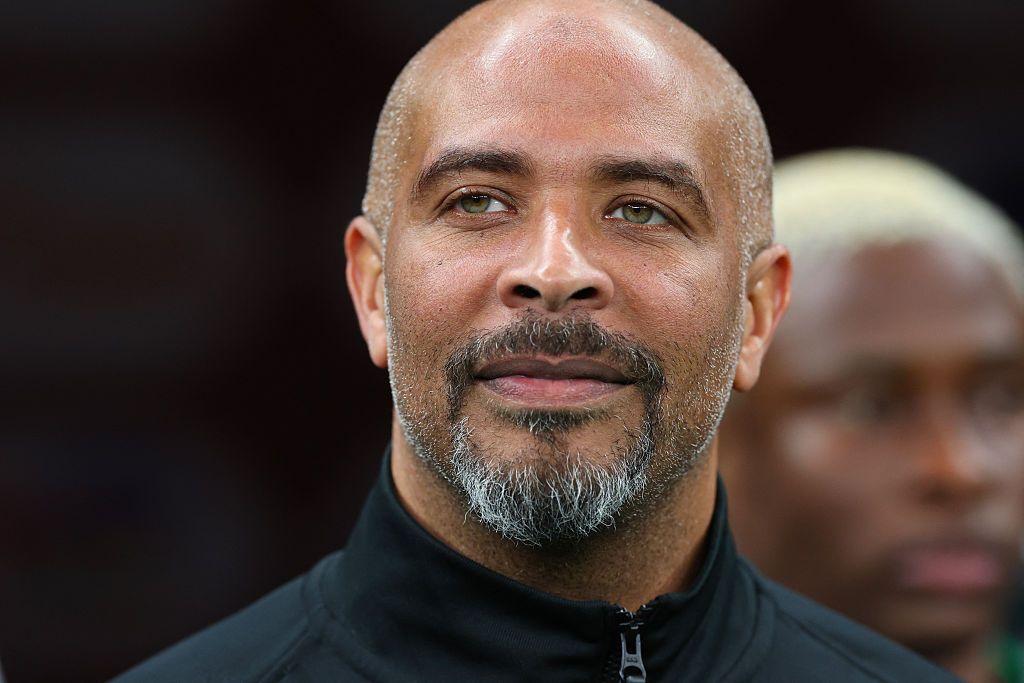
The bad reputation of dark forces could be the reason why many people are reluctant to openly admit that they have participated in traditional practices.
“Football tends to be Eurocentric,” says Mezahi.
“The biggest clubs are there, the biggest players play there and so anything that is foreign to Europe I think can be experienced or treated with a bit of suspicion.”
But he believes it’s not “something Africans should be ashamed of. It’s something we practice in our daily lives.”
He argues that the acceptance that African “traditional spiritual practice is somehow backward or more primitive or Third World” reinforces the notion that what comes from the West is best.
But there are those who argue that there is a huge difference between performing rituals to influence the performance of an opposing team or the outcome of games, versus praying for divine blessings in a more general sense.
‘God is at the center’
African soccer fans and teams are much more open about accepting Abrahamic religions such as Christianity and Islam, Mezahi says.
A common chant of Algerian fans is a plea to Allah to protect their team and help them.
And “especially if you listen to West African countries, Ghana or Nigeria, you’ll hear them playing gospel music at every game,” says Mezahi.
Ghana’s Sports Minister Kofi Idi Adams asked the congregation at a recent church service to pray for the national team, affectionately known as the Black Stars.
The Ghana Football Association (GFA) has also sought prayers from the country’s two largest religious groups, Christians and Muslims.
A national Christian service was held in Accra, offering prayer for the Black Stars – on what the GFA called “football’s biggest stage”.
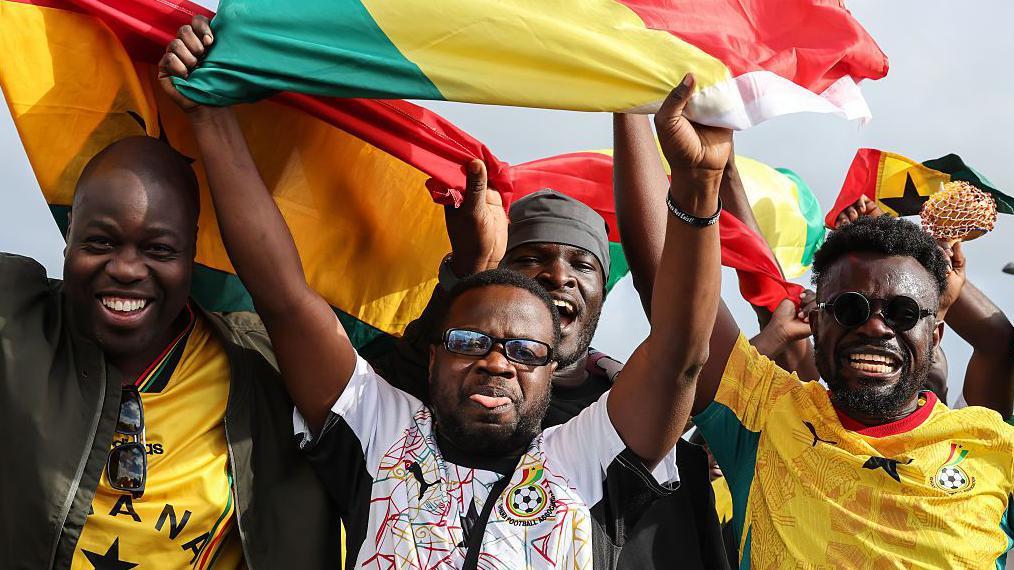
And the GFA joined their country’s national imam in Islamic prayers ahead of the tournament, with the cleric “asking for divine guidance and blessings on the team”, the GFA said in a statement.
“We believe that God is at the center of everything we do,” says Nathan Larrieu, a journalist from Accra.
He explained how important faith is in Ghanaian culture.
“Yes, human effort is important, but this is the special, blessed icing on the cake that we need to be able to succeed.”
“That’s why offering prayers and asking for God’s protection and guidance is so important.”
There is probably one country where religion and football are as intertwined as on the African continent, says Maher Mezahi.
“One of the most open manifestations of religion I saw as a boy was when Brazil won the World Cup in 2002.”
“A player called Kaka took his shirt off and underneath he had a T-shirt that said, ‘I belong to Jesus.’ And I thought, ‘Oh, that’s interesting.’ I never thought that someone could wear such a shirt under their jersey.”
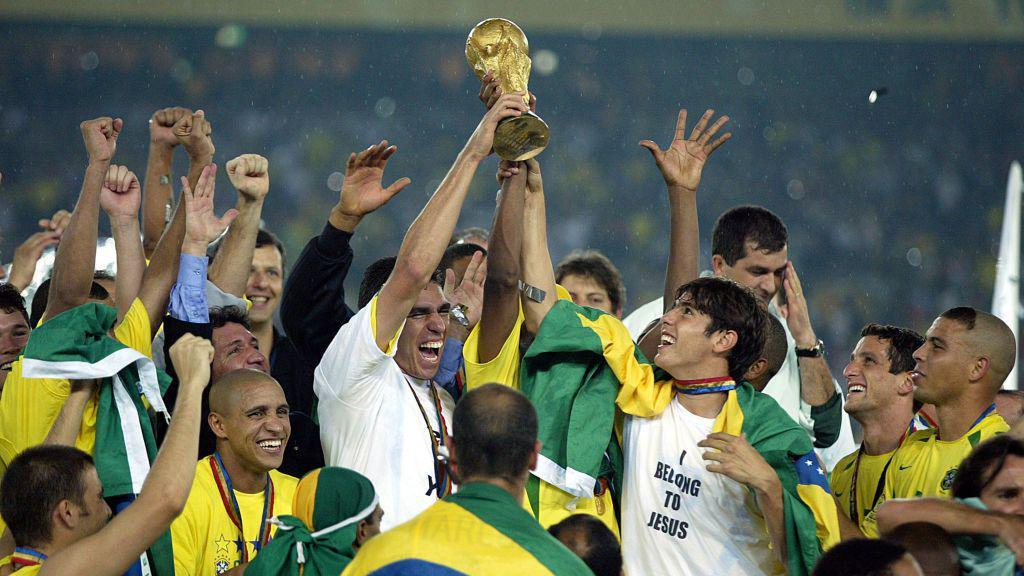
It was, as Mezahi says, “a message to the world.”
Just like sending off the Brazilian team to this year’s tournament.
Before their plane took off, it was “baptized” with the help of fire engines while standing on the runway.
In aviation tradition, this symbolic blessing usually takes place before the aircraft’s maiden voyage or on very important journeys.
This time, Brazilian fans are hoping that just that could help turn their country’s record five World Cup wins into a sixth.
BBC is in Serbian from now on and on YouTube, follow us HERE.
Follow us on Facebook, Twitter, Instagram and Viber. If you have a topic suggestion for us, please contact bbcnasrpskom@bbc.co.uk
Download the application and follow the news


FOLLOW US ON

News