Sunday, June 28, 2026
    The GeoStrategic Consensus
    No Result
    View All Result
    • Login
    • HOME
    • AMERICAS
      • Argentina
      • Brazil
      • Canada
      • Chile
      • Colombia
      • Costa Rica
      • Cuba
      • Dominican Republic
      • Ecuador
      • El Salvador
      • Greenland
      • Guatemala
      • Honduras
      • Mexico
      • Nicaragua
      • Panama
      • Paraguay
      • Peru
      • United States
      • Uruguay
      • Venezuela
    • ASIA-PACIFIC
      • Australia
      • Brunei Darussalam
      • Cambodia
      • China
      • Federated States of Micronesia
      • Fiji
      • Indonesia
      • Japan
      • Kiribati
      • Laos
      • Malaysia
      • Marshall Islands
      • Mongolia
      • Myanmar
      • Nauru
      • New Zealand
      • North Korea
      • Palau
      • Papua New Guinea
      • Philippines
      • Samoa
      • Singapore
      • Solomon Islands
      • South Korea
      • Taiwan
      • Thailand
      • Timor-Leste
      • Tonga
      • Tuvalu
      • Vanuatu
      • Vietnam
    • CARICOM
      • CARICOM – Non-English
        • Haiti
        • Suriname
      • CARICOM Associates
        • Anguilla
        • Bermuda
        • British-Virgin-Islands
        • Cayman-Islands
        • Curacao
        • Turks-and-Caicos
      • CARICOM English
        • Antigua and Barbuda
        • Barbados
        • Belize
        • Dominica
        • Grenada
        • Guyana
        • Jamaica
        • Montserrat
        • Saint Kitts and Nevis
        • Saint Lucia
        • Saint Vincent and the Grenadines
        • The Bahamas
        • Trinidad and Tobago
    • EURASIA
      • Armenia
      • Azerbaijan
      • Balarus
      • Georgia
      • Kazakhstan
      • Kyrgyzstan
      • Moldova
      • Russia
      • Tajikistan
      • Turkmenistan
      • Ukraine
      • Uzbekistan
    • EUROPE
      • Albania
      • Andorra
      • Austria
      • Bosnia and Herzegovina
      • Bulgaria
      • Croatia
      • Cyprus
      • Czech Republic
      • Denmark
      • Estonia
      • Finland
      • France
      • Germany
      • Greece
      • Holy See
      • Hungary
      • Iceland
      • Ireland
      • Italy
      • Kosovo
      • Latvia
      • Liechtenstein
      • Lithuania
      • Luxembourg
      • Malta
      • Monaco
      • Montenegro
      • Netherlands
      • North Macedonia
      • Norway
      • Poland
      • Portugal
      • Romania
      • San Marino
      • Serbia
      • Slovakia
      • Slovenia
      • Spain
      • Sweden
      • Switzerland
      • United Kingdom
    • MIDDLE EAST AND NORTH AFRICA
      • Algeria
      • Bahrain
      • Egypt
      • Iran
      • Iraq
      • Israel
      • Jordan
      • Kuwait
      • Lebanon
      • Lybia
      • Morocco
      • Oman
      • Palestinian Territories
      • Qatar
      • Saudi Arabia
      • Syria
      • Tunisia
      • Turkey
      • United Arab Emirates
      • Western Sahara
      • Yemen
    • SOUTH ASIA
      • Afghanistan
      • Bangladesh
      • Bhutan
      • India
      • Maldives
      • Nepal
      • Pakistan
      • Sri Lanka
    • SUB-SAHARAN AFRICA
      • Angola
      • Benin
      • Botswana
      • Burkina Faso
      • Burundi
      • Cabo Verde
      • Cameroon
      • Central African Republic
      • Chad
      • Comoros
      • Cote d’Ivoire
      • Democratic Republic of the Congo
      • Djibouti
      • Equatorial Guinea
      • Eritrea
      • Eswatini
      • Ethiopia
      • Gabon
      • Gambia
      • Ghana
      • Guinea
      • Guinea Bissau
      • Kenya
      • Lesotho
      • Liberia
      • Madagascar
      • Malawi
      • Mali
      • Mauritania
      • Mauritius
      • Mozambique
      • Namibia
      • Niger
      • Nigeria
      • Republic of the Congo
      • Rwanda
      • Sao Tome and Principe
      • Senegal
      • Seychelles
      • Sierra Leone
      • Somalia
      • South Africa
      • South Sudan
      • Sudan
      • Tanzania
      • Togo
      • Uganda
      • Zambia
      • Zimbabwe
    • HOME
    • AMERICAS
      • Argentina
      • Brazil
      • Canada
      • Chile
      • Colombia
      • Costa Rica
      • Cuba
      • Dominican Republic
      • Ecuador
      • El Salvador
      • Greenland
      • Guatemala
      • Honduras
      • Mexico
      • Nicaragua
      • Panama
      • Paraguay
      • Peru
      • United States
      • Uruguay
      • Venezuela
    • ASIA-PACIFIC
      • Australia
      • Brunei Darussalam
      • Cambodia
      • China
      • Federated States of Micronesia
      • Fiji
      • Indonesia
      • Japan
      • Kiribati
      • Laos
      • Malaysia
      • Marshall Islands
      • Mongolia
      • Myanmar
      • Nauru
      • New Zealand
      • North Korea
      • Palau
      • Papua New Guinea
      • Philippines
      • Samoa
      • Singapore
      • Solomon Islands
      • South Korea
      • Taiwan
      • Thailand
      • Timor-Leste
      • Tonga
      • Tuvalu
      • Vanuatu
      • Vietnam
    • CARICOM
      • CARICOM – Non-English
        • Haiti
        • Suriname
      • CARICOM Associates
        • Anguilla
        • Bermuda
        • British-Virgin-Islands
        • Cayman-Islands
        • Curacao
        • Turks-and-Caicos
      • CARICOM English
        • Antigua and Barbuda
        • Barbados
        • Belize
        • Dominica
        • Grenada
        • Guyana
        • Jamaica
        • Montserrat
        • Saint Kitts and Nevis
        • Saint Lucia
        • Saint Vincent and the Grenadines
        • The Bahamas
        • Trinidad and Tobago
    • EURASIA
      • Armenia
      • Azerbaijan
      • Balarus
      • Georgia
      • Kazakhstan
      • Kyrgyzstan
      • Moldova
      • Russia
      • Tajikistan
      • Turkmenistan
      • Ukraine
      • Uzbekistan
    • EUROPE
      • Albania
      • Andorra
      • Austria
      • Bosnia and Herzegovina
      • Bulgaria
      • Croatia
      • Cyprus
      • Czech Republic
      • Denmark
      • Estonia
      • Finland
      • France
      • Germany
      • Greece
      • Holy See
      • Hungary
      • Iceland
      • Ireland
      • Italy
      • Kosovo
      • Latvia
      • Liechtenstein
      • Lithuania
      • Luxembourg
      • Malta
      • Monaco
      • Montenegro
      • Netherlands
      • North Macedonia
      • Norway
      • Poland
      • Portugal
      • Romania
      • San Marino
      • Serbia
      • Slovakia
      • Slovenia
      • Spain
      • Sweden
      • Switzerland
      • United Kingdom
    • MIDDLE EAST AND NORTH AFRICA
      • Algeria
      • Bahrain
      • Egypt
      • Iran
      • Iraq
      • Israel
      • Jordan
      • Kuwait
      • Lebanon
      • Lybia
      • Morocco
      • Oman
      • Palestinian Territories
      • Qatar
      • Saudi Arabia
      • Syria
      • Tunisia
      • Turkey
      • United Arab Emirates
      • Western Sahara
      • Yemen
    • SOUTH ASIA
      • Afghanistan
      • Bangladesh
      • Bhutan
      • India
      • Maldives
      • Nepal
      • Pakistan
      • Sri Lanka
    • SUB-SAHARAN AFRICA
      • Angola
      • Benin
      • Botswana
      • Burkina Faso
      • Burundi
      • Cabo Verde
      • Cameroon
      • Central African Republic
      • Chad
      • Comoros
      • Cote d’Ivoire
      • Democratic Republic of the Congo
      • Djibouti
      • Equatorial Guinea
      • Eritrea
      • Eswatini
      • Ethiopia
      • Gabon
      • Gambia
      • Ghana
      • Guinea
      • Guinea Bissau
      • Kenya
      • Lesotho
      • Liberia
      • Madagascar
      • Malawi
      • Mali
      • Mauritania
      • Mauritius
      • Mozambique
      • Namibia
      • Niger
      • Nigeria
      • Republic of the Congo
      • Rwanda
      • Sao Tome and Principe
      • Senegal
      • Seychelles
      • Sierra Leone
      • Somalia
      • South Africa
      • South Sudan
      • Sudan
      • Tanzania
      • Togo
      • Uganda
      • Zambia
      • Zimbabwe
    No Result
    View All Result
    Agentially
    No Result
    View All Result
    Home EUROPE Montenegro

    Darmanović: We have a historic chance for EU membership, but both sides of the political spectrum must cooperate on issues crucial to integration

    The Analyst by The Analyst
    June 28, 2026
    in Montenegro
    Darmanović: We have a historic chance for EU membership, but both sides of the political spectrum must cooperate on issues crucial to integration


    The European integration of Montenegro is entering a decisive phase at the moment when the increased interest of the European Union (EU) in enlargement and the country’s internal political weaknesses intersect. While Brussels sends encouraging messages, the domestic political scene remains marked by divisions, slow reforms and many open questions.

    READ ALSO

    How would I survive without air conditioning

    A mother died saving her daughter during the earthquake in Venezuela

    It is precisely in this relationship between favorable international circumstances and complex internal conditions that the key challenge of Montenegrin’s European path lies.

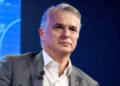
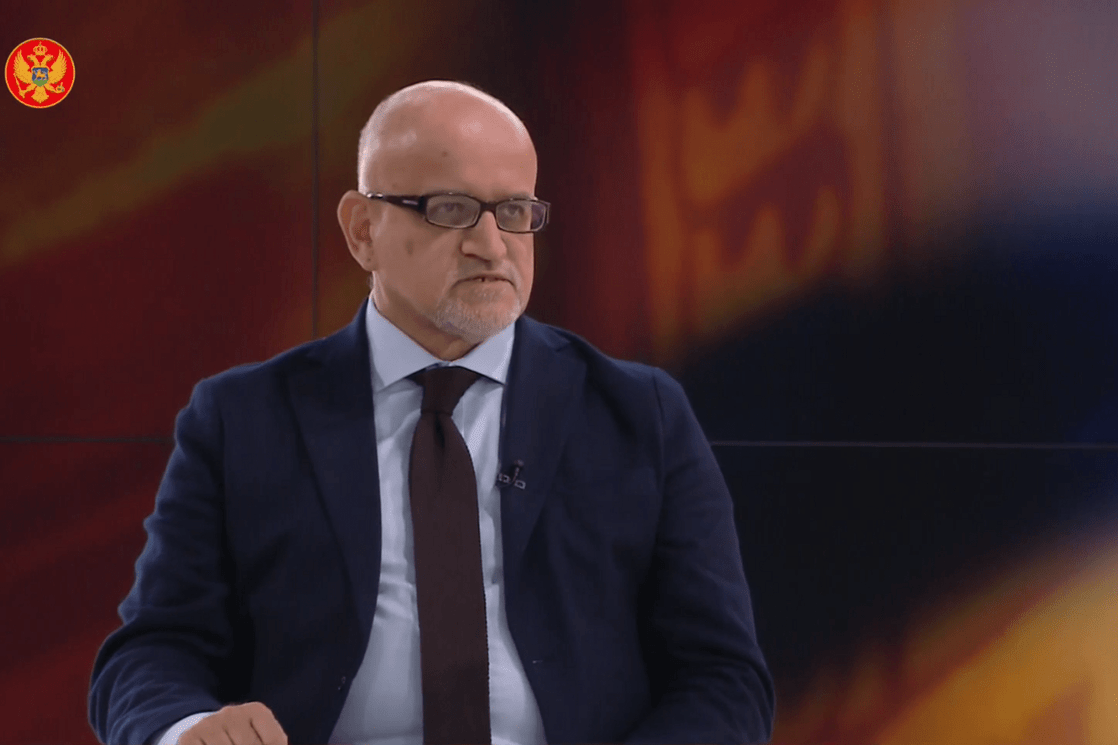
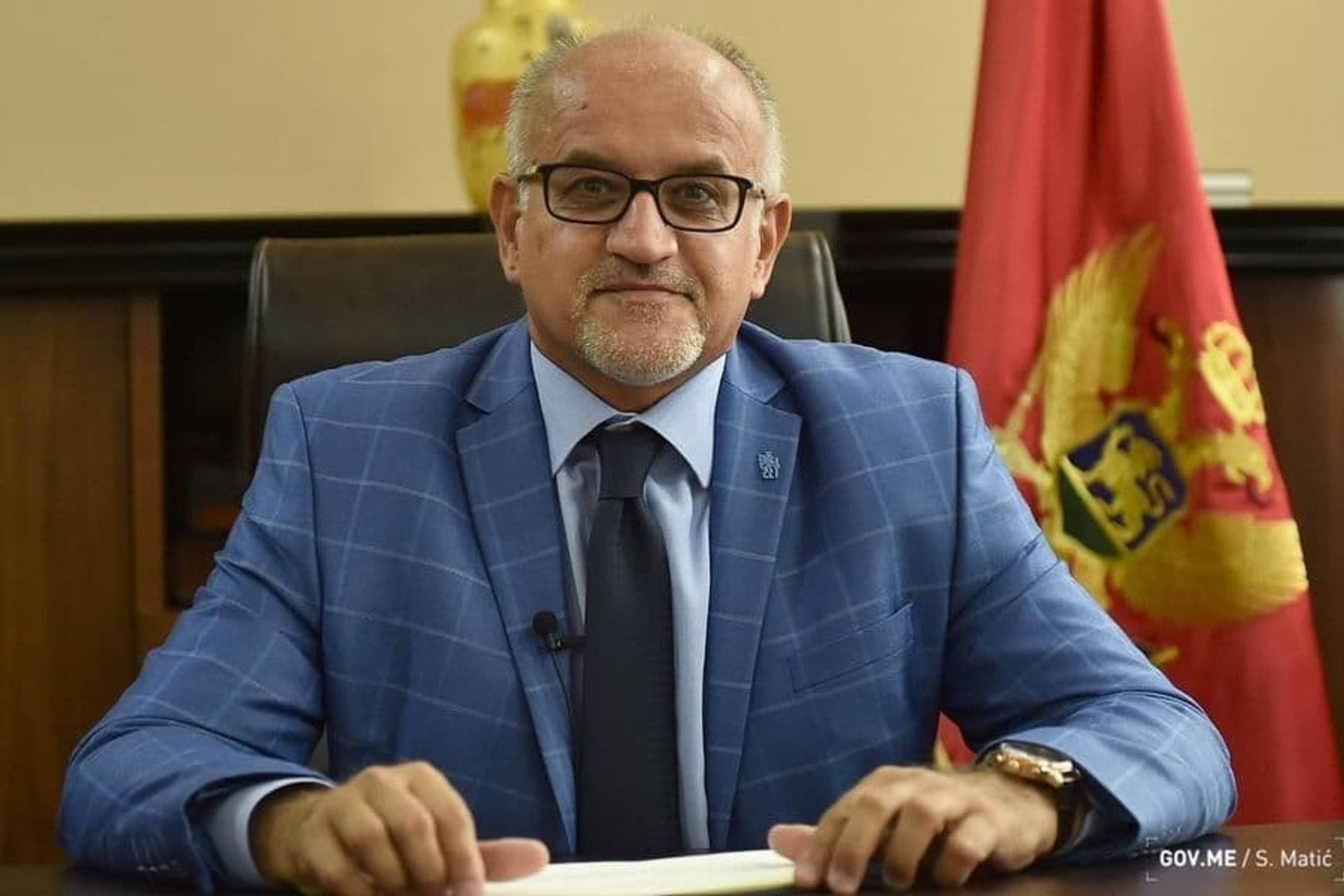
    The former Minister of Foreign Affairs of Montenegro, professor Srđan Darmanović, talks about these processes and perspectives of Montenegro’s membership in the European Union for Analytics.

    The EU is looking for an enlargement model without the risk of a “new Hungary”

    ANALYTICS: Could ideas about limiting the voting rights of new EU members affect the further enlargement process?

    DARMANOVIĆ: From the moment of Russian aggression against Ukraine, the EU relatively quickly adopted the understanding that the expansion of the Union is necessary and that it is not only a matter of standards and harmonization with the European legal system, but also a significant geopolitical issue. Since then, there has been a constant search for enlargement models that would not call into question the Union’s achievements and the way of decision-making within it, at the same time enable candidate countries that are not quite ready to become members, but also encourage public opinion in the EU member countries.

    The latest such framework model appeared at the summit in Tivat in the form of a Franco-German non-paper. There is presented the format of gradual acquisition of membership for candidate countries, which in itself means that they will not have the right to vote until they formally become full members of the Union, and for some of the stages in this process, this is explicitly stated in the non-piper.
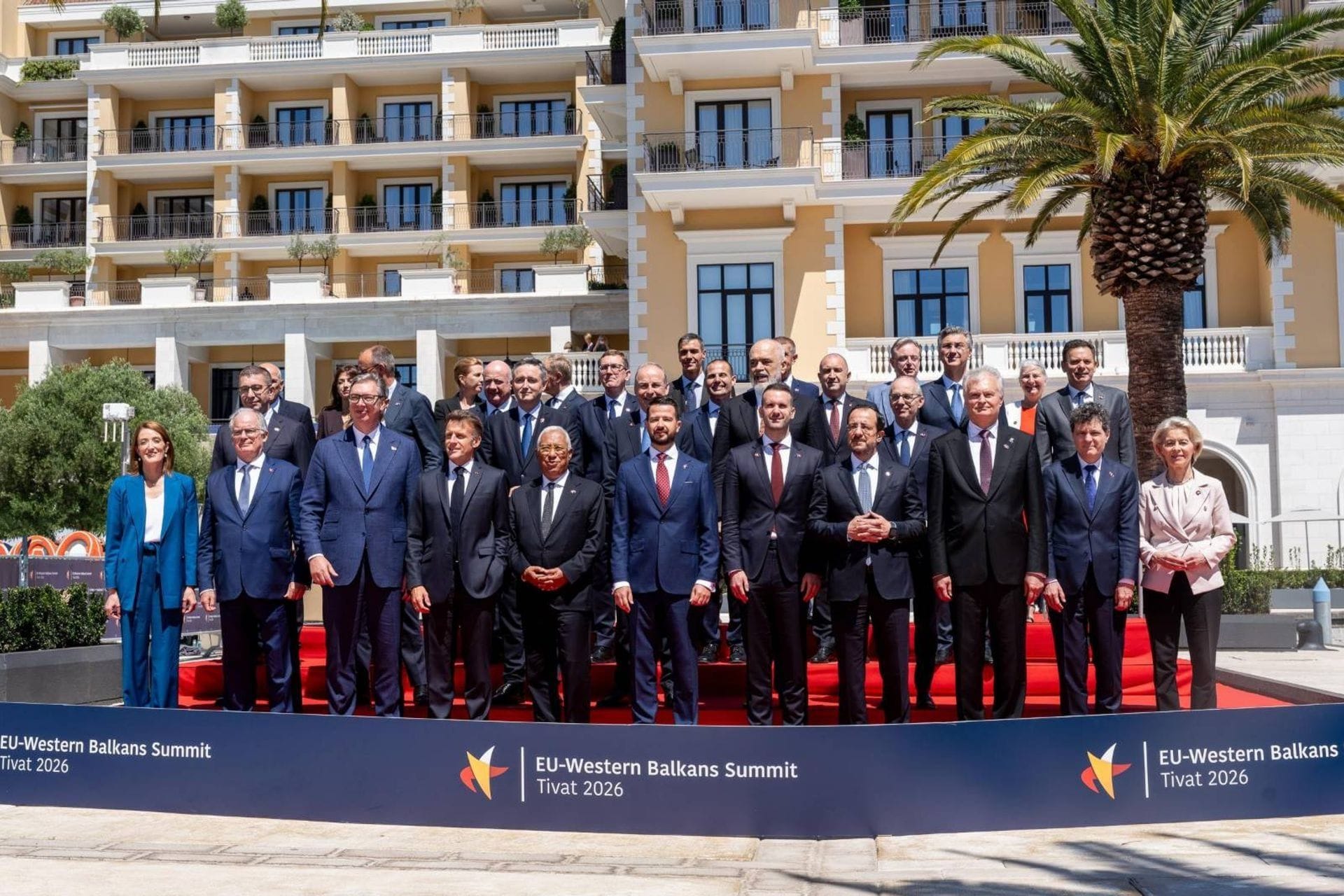
    Another issue related to the right to vote, which has occupied European leaders for a long time, is the question of the temporary suspension of the right of veto for new member states, given that within the Union decisions are made by consensus.

    I think that all these models are only partially directed towards the domestic public opinion of the leading EU countries, because, after all, only some of them require a mandatory referendum on the confirmation of the admission of new members.

    The key issue here is that the EU no longer wants to face the situation it had with Orban’s Hungary, that an authoritarian turn occurs in one of the new member countries, mostly new and not always stable democracies, and that such a country then uses the right of veto to block Union decisions and thus works in favor of its friends in other authoritarian regimes, undermining key EU policies.

    I cite the example of Hungary, because among many EU members, Orbán is generally perceived as Putin’s man in Brussels, and his regime is considered authoritarian. The former, slightly jovial president of the EU, Charles Michel, when Orban appeared in the meeting room of the European Council, with a smile and probably not only jokingly, knew to address him with “Hello, dictator!”. The EU will try to avoid repeating this scenario at all costs with the new members.

    Momentum exists, but reforms remain a key requirement

    ANALYTICS: How realistic is the goal for Montenegro to close all remaining negotiation chapters by the end of the year?

    DARMANOVIĆ: At the moment, Montenegro has 16 temporarily closed chapters out of a total of 33. This means that more chapters should be closed in the remaining half of the year than has been done in all the years since we have been negotiating with the EU.

    Despite the fact that it seems impossible, our leading members of the Government leave no doubt about it, and even European representatives such as the Commissioner for Enlargement, Marta Kos, and the European Parliament’s rapporteur for Montenegro, Marijan Šarec, say that it is a difficult but “not an unattainable goal”, i.e. that Montenegro is “closer to EU membership today than ever in its history”.

    The European Parliament adopted the Resolution on Montenegro; Šarec:…

    17.06.2026 14:49

    This is confirmed by the just-adopted resolution of the European Parliament, which states that “the goal of closing the accession negotiations by the end of 2026 could be achieved if Montenegro maintains the current pace of reforms and political commitment to the European path”.

    Recently, at the EU – Western Balkans Summit in Tivat, two leading EU officials, President Antonio Košta and Commission President Ursula Von de Leyen, who very much avoid committing to any dates, made somewhat surprising statements that they expect Montenegro to become an EU member by the end of 2028.

    Based on all this, it could be concluded that there is serious momentum at the EU level for Montenegro to become the next member of the EU in the foreseeable future. In such favorable circumstances, nothing is completely impossible anymore, not even that by the end of the year or at least in the first half of 2027, Montenegro really closes the remaining more than half (17) of the negotiation chapters.

    However, this will not happen by itself. In the aforementioned Resolution of the European Parliament, it is emphasized that “ultimate success will depend on lasting results in the area of ​​the rule of law, political stability and the ability of political actors to put European integration above daily political interests”, and we all know what that means.

    First, that despite all the support we have in Brussels, the EU has not abandoned the policy of enlargement based on values, meeting standards and merit. Second, that the stability of the candidate country should not be threatened by internal political turmoil, but also that the country must demonstrate the ability to defend itself against external threats and influences.

    And thirdly, that the political class on both sides of the political spectrum is capable of cooperating on issues crucial to European integration.

    The Vučić regime does not want Montenegro in the European club

    ANALYTICS: Can Belgrade’s influence threaten Montenegro’s European path?

    DARMANOVIĆ: The attitude and policy of Vučić’s authoritarian regime, as well as the entire cohort of “national workers” who parade the Serbian regime media, is extremely hostile to Montenegro’s membership in the EU. After membership in NATO, joining the EU club would mean that Montenegro completed its affiliation to the political West, not only declaratively, but also institutionally.

    This development of events contradicts all the premises of Serbian nationalism (today embodied in the name “Serbski svet”), which, after Milosevic’s time, is now back in power.

    Our entry into the EU would also indirectly reveal the fact that we already know – that Serbia under Vučić does not actually want EU membership, although it is declaratively in favor of it and has the status of a candidate country.
    In fact, the Vučić regime would have nothing against partial integration, i.e. entry into the common market, but not full EU membership, because then you have to be a democratic country. This is the same strategy implemented by Orban within the EU. We want your money from EU funds, but we don’t want your values ​​and the rule of law. In essence, autocrats in power generally resemble each other and employ similar strategies and methods.

    As the opposition to Montenegro’s entry into the EU, with all the tricks like the “Tivat landing”, will certainly remain in force as long as Vučić is in power in Serbia, our leading politicians will have to decide in every situation whether the European goal is more important and closer to them than exposure to the influences of the ruling regime in Serbia, possible sympathies towards it or fears of possible consequences.

    In the last century and a half, this is at least the third generation of Montenegrin “rulers” (King Nikola, then the DPS, and finally the post-August authorities from 2020), who might be able to convince themselves that, to paraphrase Napoleon, in Montenegro “one can come to power on the basis of Serbia and Serbian nationalism, but one cannot sit in power with them”.

    The SPC has a lot of influence, but it will not be particularly engaged in anti-EU platforms

    ANALYTICS: To what extent does the influence of the Serbian Orthodox Church (SPC) affect the attitude of Montenegrin society towards European values ​​and integration?

    DARMANOVIĆ: Continuous surveys of public opinion have many times detected significant elements of the conservatism of Montenegrin society, and one of them is that the Serbian Orthodox Church is an institution that in the last three and a half decades has always been at or near the top of trust among the citizens of Montenegro.

    However, one should not underestimate some of the other results shown by the measurements of public opinion. E.g. after 20 years from May 21, 2006, the “referendum” majority of 55.5 percent, increased to 75 percent of citizens’ support for state independence, and that jump was particularly pronounced in the last few years.

    Worrying trend: In Montenegro, support is falling…

    16.10.2025 16:45

    Also, despite occasional fluctuations and regardless of who is in power, citizens’ support for Montenegro’s entry into the EU is almost always around 70 percent or more. From this it can be seen that conservative attitudes in important social issues, sociological patterns of authoritarian mentality, significant increase in religiosity, etc., in society are intertwined with goals and values ​​that are more emancipatory (independence, EU membership).

    We have another indicative fact, that a significant majority of our political class on both sides of the political spectrum, not only declares, but also legitimizes the introduction of the country into the EU. One, I believe most of them, does this out of conviction, and the other, I assume, out of pragmatism, i.e. for the reason that the anti-European attitude and policy would probably be convincingly defeated in the elections.

    That is why, although an institution that has shown many times to be in deep opposition to many key European values, I do not believe that the SPC will engage in anti-EU platforms in particular, nor that it can reverse the support that European integration has in society.

    French elections may slow enlargement, Montenegro must finish its part

    ANALYTICS: Can the outcome of the 2027 presidential elections in France affect the EU enlargement policy and the European ambitions of Montenegro?

    DARMANOVIĆ: We should certainly be afraid of the outcome of these elections. France is not just any country, but one of the leading countries in the EU and the only one that is a member of the United Nations Security Council. A victory for the extreme, populist and Eurosceptic right could jeopardize the enlargement policy, otherwise the most successful policy the EU has ever had. And much more than that. On the wallpaper would probably be the entire EU as we know it today.

    However, the result of the French elections is not so unambiguously predictable. More than once in France’s recent history has the political center (left and right) led a successful strategy of electoral or post-electoral rallying to prevent the inroads of the extreme right.
    Also, we saw in the Scandinavian examples that the extreme right has learned to live with the membership of their countries in the EU, and in the EU with their presence in governments (Finland) or support for a minority government (Sweden). In both of these countries, far-right parties were not an obstacle to their countries joining NATO after the Russian aggression against Ukraine. Also, the French extreme right (National Gathering) softened over time some radical attitudes towards the EU, because they could not go further with them towards the French voters.

    That is why, in this final phase of European integration, Montenegro should complete its part of the work, and since it certainly cannot influence the French elections, it should hope for the best when the results are announced.

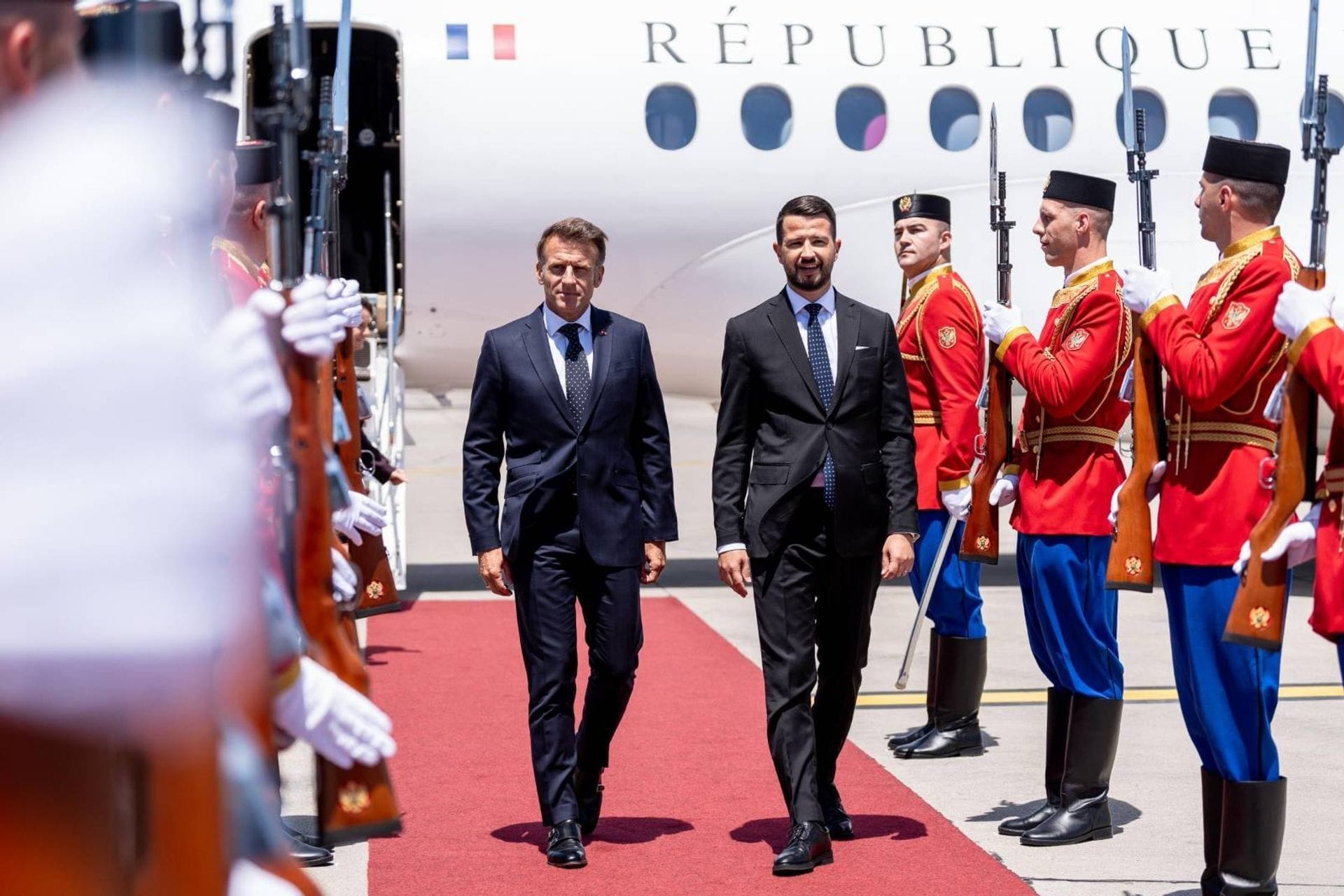
    Also, and something else. Regardless of the fact that the frequent and expressed relations of our president and prime minister with President Macron are extremely important, our MPs from both sides of the political spectrum, as well as representatives of the Government, should in the coming period invest in relations with members of the French Parliament, both the National Assembly and the Senate.

    If it is concluded in France that it is expensive and irrational to call a national referendum on the entry of one or two small countries into the EU, it is precisely them with a qualified majority, and not the citizens of France, who could decide on the admission of new members.
    Source link

    Related Posts

    How would I survive without air conditioning
    Montenegro

    How would I survive without air conditioning

    June 28, 2026
    A mother died saving her daughter during the earthquake in Venezuela
    Montenegro

    A mother died saving her daughter during the earthquake in Venezuela

    June 27, 2026
    ‘On shore, their weight becomes deadly’: Why it’s hard to help a stranded whale
    Montenegro

    ‘On shore, their weight becomes deadly’: Why it’s hard to help a stranded whale

    June 27, 2026
    Cikotić: Krapović to prove everything he stated or to resign for the untruths
    Montenegro

    Cikotić: Krapović to prove everything he stated or to resign for the untruths

    June 27, 2026
    Rituals and prayers: Fans seeking spiritual help at the World Cup
    Montenegro

    Rituals and prayers: Fans seeking spiritual help at the World Cup

    June 27, 2026
    Đuričković: The EU must pay special attention to the threats of Minister Krapović in light of the new powers of the Police and ANB
    Montenegro

    Đuričković: The EU must pay special attention to the threats of Minister Krapović in light of the new powers of the Police and ANB

    June 27, 2026
    Next Post
    How would I survive without air conditioning

    How would I survive without air conditioning

    POPULAR NEWS

    Pema Deki Brings Bhutanese Heritage to the World of Luxury Watches

    Pema Deki Brings Bhutanese Heritage to the World of Luxury Watches

    June 27, 2026
    World Cup 2026: Ecuador resists, defeats Germany and advances to the 16th round

    World Cup 2026: Ecuador resists, defeats Germany and advances to the 16th round

    June 28, 2026
    Pastor Hansl: “The church was never super cool, but it is currently celebrating an extreme comeback” – DiePresse.com

    Pastor Hansl: “The church was never super cool, but it is currently celebrating an extreme comeback” – DiePresse.com

    June 27, 2026
    Palace: Impeachment trial won’t cause division, affect gov’t work

    Palace: Impeachment trial won’t cause division, affect gov’t work

    June 27, 2026
    CEO salaries in Switzerland: Eight top earners earned over 10 million francs in 2025

    CEO salaries in Switzerland: Eight top earners earned over 10 million francs in 2025

    June 27, 2026

    EDITOR'S PICK

    PNC reaffirms fight against extortion after capture of alias “Shaka”, accused of demanding Q1,800 from transporters

    PNC reaffirms fight against extortion after capture of alias “Shaka”, accused of demanding Q1,800 from transporters

    June 27, 2026
    Korea’s bid to bring ETF money home falls short

    Korea’s bid to bring ETF money home falls short

    June 27, 2026
    Tripoli court sentences Osama Njeem to over seven years in prison

    Tripoli court sentences Osama Njeem to over seven years in prison

    June 27, 2026
    Plan to target tourists in Pahalgam was in motion week before attack, terrorists used trekking app to log coordinates | India News

    Plan to target tourists in Pahalgam was in motion week before attack, terrorists used trekking app to log coordinates | India News

    June 27, 2026

    Recent Posts

    • Forests are being cut down in the Kulyab region. And the authorities can’t do anything about it
    • Summary of the General Staff: 157 combat clashes at the front, heavy battles continue
    • The goal is to convert money (is it?) – people are suffering from the Samarkand “work abroad” scheme
    • Security expert: “The Old World will disappear” – DiePresse.com

      © 2026 Agentially - Navigating shifting sovereignties and global risk .

      Welcome Back!

      Login to your account below

      Forgotten Password?

      Retrieve your password

      Please enter your username or email address to reset your password.

      Log In
      No Result
      View All Result

        © 2026 Agentially - Navigating shifting sovereignties and global risk .

        This website uses cookies. By continuing to use this website you are giving consent to cookies being used. Visit our Privacy and Cookie Policy.