Havana/The La Torre restaurant, located at the top of the emblematic Focsa building, in Havana’s Vedado, ceased to be what it was many decades ago. Opened a year after the property, in 1957, it was a luxury establishment that, even after the Revolution, nationalized like the entire country, still took a few years to abandon the air of glamor.
In the 70s, despite being in the doldrums, it was still considered for the privileged. At that time, old members of the bourgeoisie who had lost their wealth with the new regime or those professionals who had better salaries came to the place. By then, its almost 400 apartments had been distributed among trusted officials, Soviet technicians, Latin American guerrillas, and foreign artists committed to the Castro cause.
Later, in the middle of the Special Period, already with a poor menu, its great attraction was perhaps what was never lost: the views that could be seen from that 33rd floor, open to the ocean and much of the capital. But enjoying them is something that very little can be done today. Not only because of the reduced purchasing power of citizens, but because the long blackouts leave the elevators inoperative.
The combo offered includes rice, a little vegetables and a slice of pressed ham passed round and round in the pan, for 350 pesos
Precariousness has reached Focsa, a symbol of the power of pre-revolutionary Cuba and an architectural prodigy, in every sense. The most recent example is the announcement, this Wednesday, by the Empresa Extrahotelera Palmares SA, in which it reports that La Torre now offers “food prepared for the community at reasonable prices.”
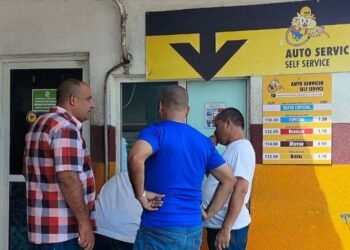
On a visit this Thursday, 14ymedio He found that the service is offered by different nearby restaurants, taking turns for days, “according to the guidelines downloaded from above,” according to an employee. Today, it was Gato Tuerto’s turn, as this newspaper also confirmed in the same private premises. The combo offered includes rice, a little vegetables and a slice of pressed ham passed round and round in the pan, for 350 pesos. Yesterday, they sold rice, vegetables and minced meat for 250.

/ 14ymedio
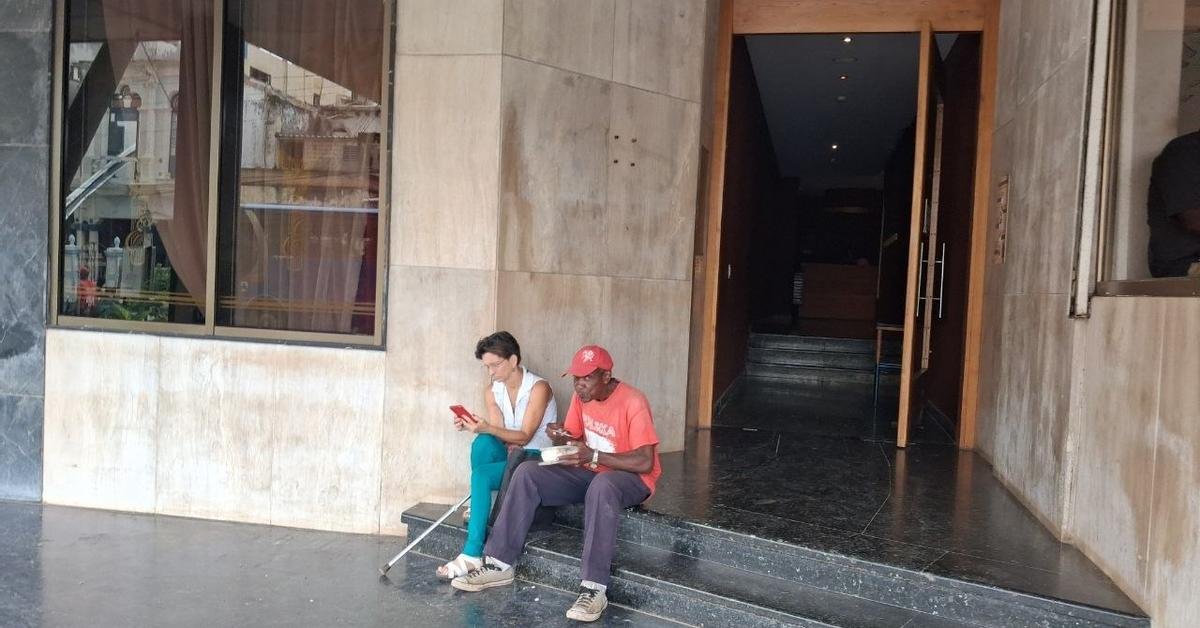
Asked about the possible obligation to go up the stairs in case there is no power, the employee reassures customers: “the rations are delivered down here.” Squinting at that lobbytoday converted into a kind of soup kitchen, you can capture the elegance it had.
To access the service, you do not have to present any document, nor prove that you are vulnerable, or that you are of a certain age. “It’s for anyone who comes to buy them,” insists the worker. “We know the importance of supporting each other and being close to our neighbors. Therefore, this giant of Havana gastronomy opens its doors with an accessible proposal, maintaining the affection and quality that characterizes our group,” the state-owned company Palmares had explained in its post from Facebook.
/ 14ymedio
The surroundings of Focsa accompany this decline. The mountains of garbage that until now were seen in Centro Habana, Cerro or Plaza de la Revolución, had not yet reached El Vedado, the most elite neighborhood of the city between the 30s and 50s. But they are already here. “This is dirty, dirty like I’ve never seen,” lamented an elderly woman who approached Focsa to ask about the new cheap menus. And he added: “I was shocked. There is this thing here that looks like La Lisa.”