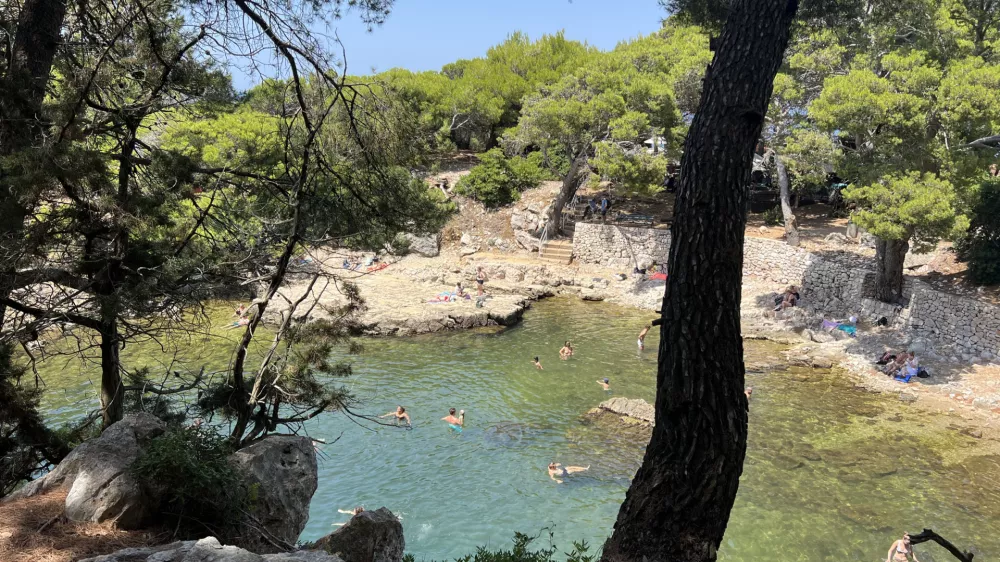
The Croatian Dead Sea is on the island of Lokrum. Photo: iStock photo
Croatia also has its own Dead Sea
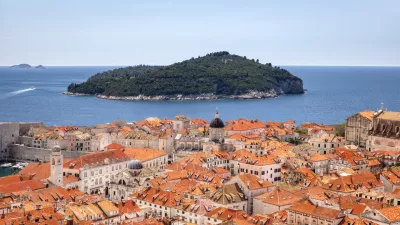
Near Dubrovnik is the island of Lokrum. It is a green oasis in front of the city walls, and it also attracts visitors with its rich history, lush vegetation and interesting natural phenomenon. The lake, which the locals call the Croatian Dead Sea.
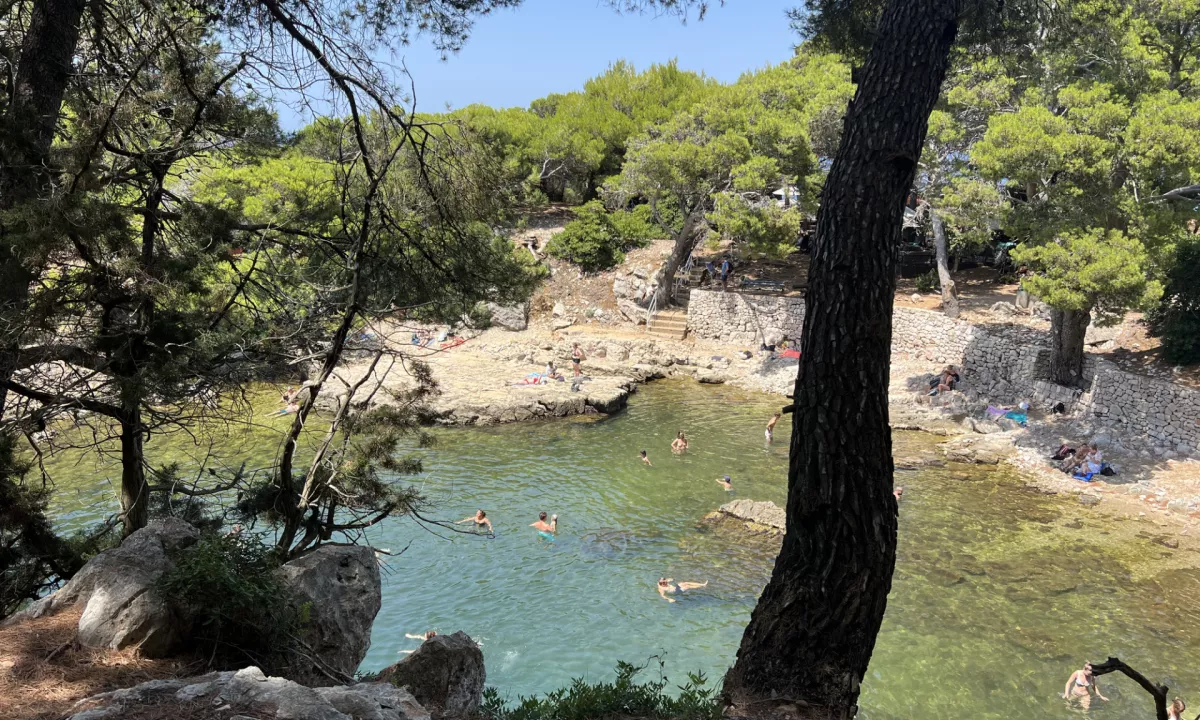
In the north-eastern part of the island lies a small salt lake, which has become one of the most popular swimming spots in the vicinity of Dubrovnik due to its calm surface and pleasant water temperature. Although it is not the real Dead Sea as we know it in the Middle East, the nickname quickly became popular among visitors, reports the portal Puni kofer. The lake offers a bathing experience that is quite different from the open Adriatic Sea.
Lokrum, named after the Latin word “acrumen” related to sour wild oranges, is a small island with the highest peak at only 96 meters above sea level. In its southern part there is a salt lake, about 30 meters wide and up to ten meters deep at its deepest part. It is connected to the open sea by a narrow natural passage, thanks to which the water is constantly renewed, while at the same time it remains protected from stronger waves.
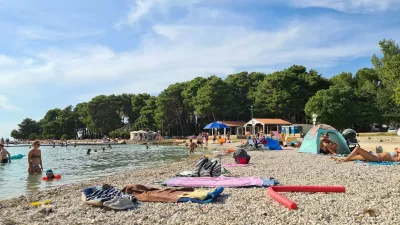
This particularity is the reason why the lake has become popular. Especially among families with children. The water is mostly calm, and the shallower parts allow for safer swimming than the many rocky shores around Dubrovnik. Because the lake is closed and protected, the water is often slightly warmer in summer than in the open sea.
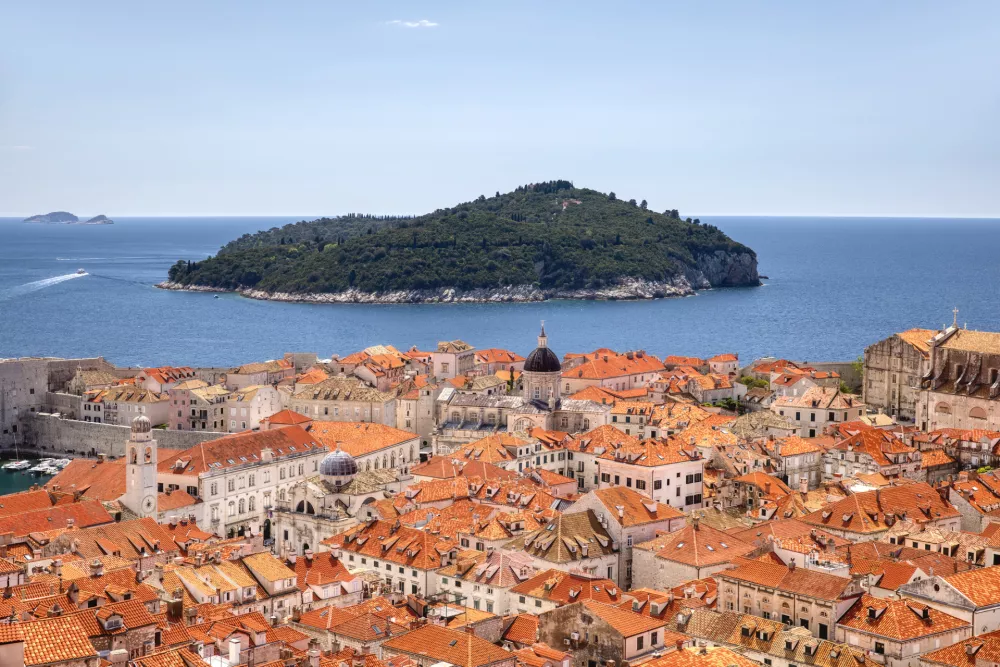
At the peak of the tourist season, the area is very visited, so experts recommend visiting early in the morning or outside the main summer crowds. Then it is possible to better experience the tranquility of the place, which has made Lokrum one of the most popular excursion spots for Dubrovnik residents for decades.
Attracted naturalists in the 19th century
Interest in Lake Lokrum is not new. Already in the 19th century, it was studied by researchers and naturalists who analyzed the composition of its water and the formation of unusual geological formations. According to experts, the lake was formed as a result of the long-term action of the sea on the cracked limestone bedrock. Over millions of years, erosion shaped the present-day shape of the natural basin, which was later flooded by the sea.

Today, Lokrum is part of the European ecological network Natura 2000, and its natural environment enjoys a high level of protection. The island was first protected in 1963, and since 1976 it has had the status of a special reserve of forest vegetation. It is characterized by an exceptional wealth of plant species. Among other things, around 70 species of eucalyptus grow there, making it one of the most interesting botanical areas on the Croatian coast.
There are regular boat connections to Lokrum from Dubrovnik, so it is accessible even to visitors who only spend a day or two in the city. Although the island can be walked in a few hours, many recommend a full day visit. In addition to the famous lake, it is also worth visiting the botanical garden, the remains of the Benedictine monastery and the former mansion, which bear witness to the rich history of this small Adriatic island.
For many visitors, the biggest attraction remains the Croatian Dead Sea – a quiet corner without waves, where you can forget about the tourist bustle of Dubrovnik, at least for a few hours.