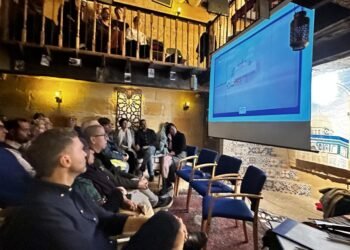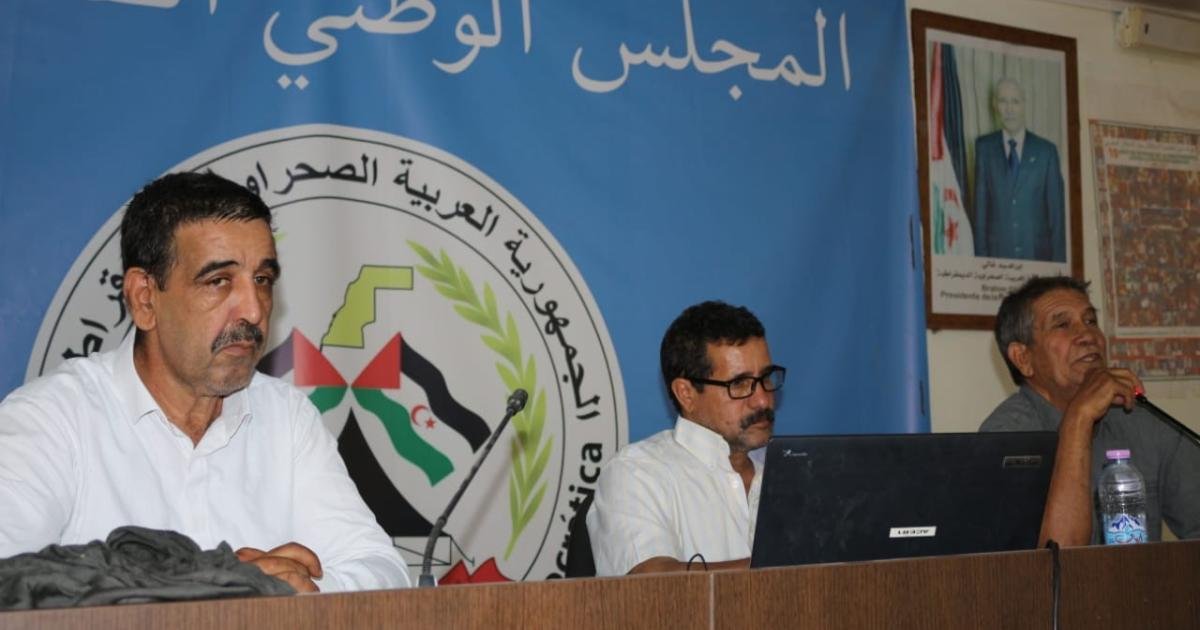
Al-Shahid Al-Hafiz, June 14, 2026 (SPS) – Within the framework of the work program of the spring session of the National Council for the year 2026, the legislative institution hosted a lecture entitled: “Crime and security threats: risks and challenges associated with drugs, weapons, foreigners, and irregular migration,” presented by Mr. Ahmed Ali Salem on behalf of the National Directorate of Security, Documentation, and Institutional Protection.
This lecture, entitled “Fifty Years of Resilience in the Face of Genocide,” falls within the series of intellectual and awareness-raising activities accompanying the session’s work, as it addressed a number of issues related to current security challenges, especially those related to the spread of drugs and psychotropic substances, the circulation of weapons, the phenomenon of irregular migration, and its repercussions on security, stability, and social cohesion.
The lecturer reviewed the various risks that these phenomena can produce, stressing the importance of enhancing community awareness, establishing a culture of prevention and vigilance, and the role of institutions and society in confronting all forms of threats targeting the safety of society.
For his part, member of the National Secretariat and President of the National Council, Mr. Al-Bashir Mustafa Al-Sayed, confirmed that the Moroccan occupation continues to target the Sahrawi people through multiple methods, including psychological warfare, propaganda, and attempts to question national gains, in addition to seeking to stir up strife and divisions, exploiting various means to influence young people and lure them towards paths that serve organized crime and drug smuggling and drug trafficking networks.
The President of the National Council stressed that enhancing awareness, national unity, and adherence to political organization represents the first protective barrier in the face of various challenges, calling for greater mobilization and vigilance to preserve national gains and defend the aspirations and goals of the Sahrawi people.
This lecture comes in the context of efforts aimed at enhancing discussion on issues affecting societal security, and raising the level of awareness of the dangers of criminal phenomena and their effects on the future of generations. (SPA)