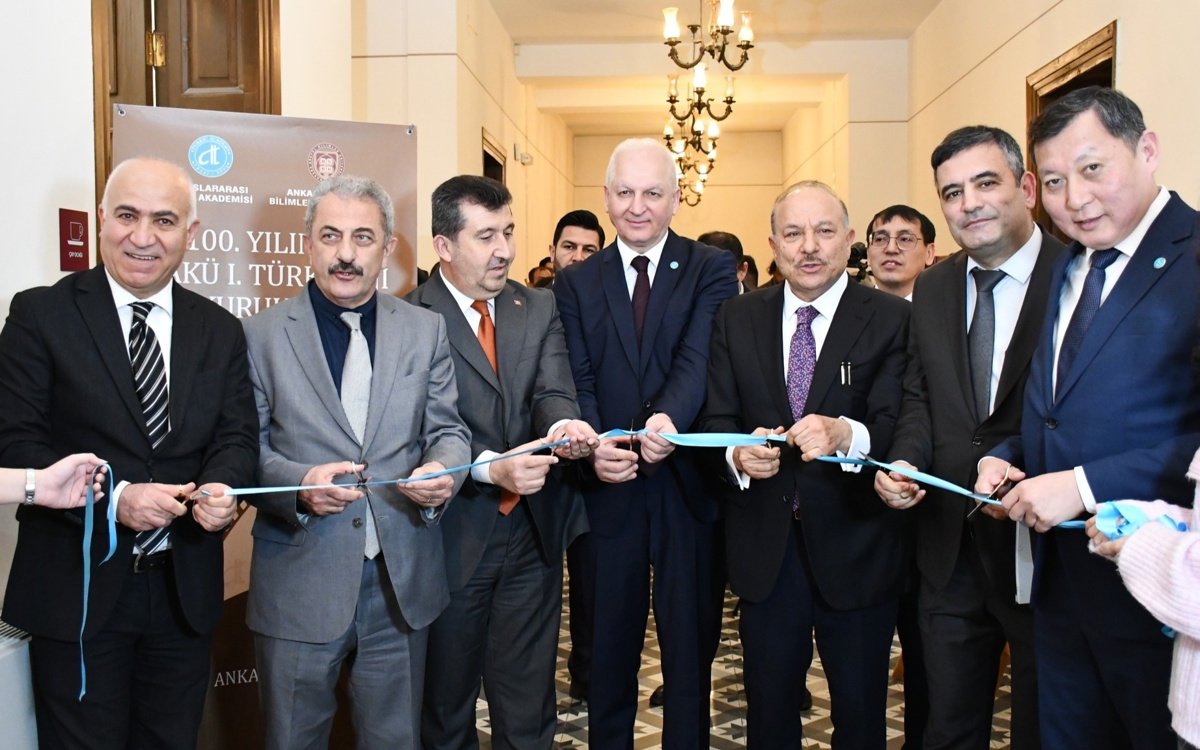
A series of scientific events dedicated to the 100th anniversary of the First Turkological Congress, held in 1926 in Baku, took place in Ankara. The event was organized by the Turkic Academy with the participation of leading universities in the Turkish capital.
The program covered three days and took place at the sites of Ankara University of Social Sciences, Hacettepe University and Hacı Bayram Veli University. The events were attended by scientists, researchers and representatives of the academic community, who discussed the historical significance of the congress and its role in the development of modern Turkic studies.
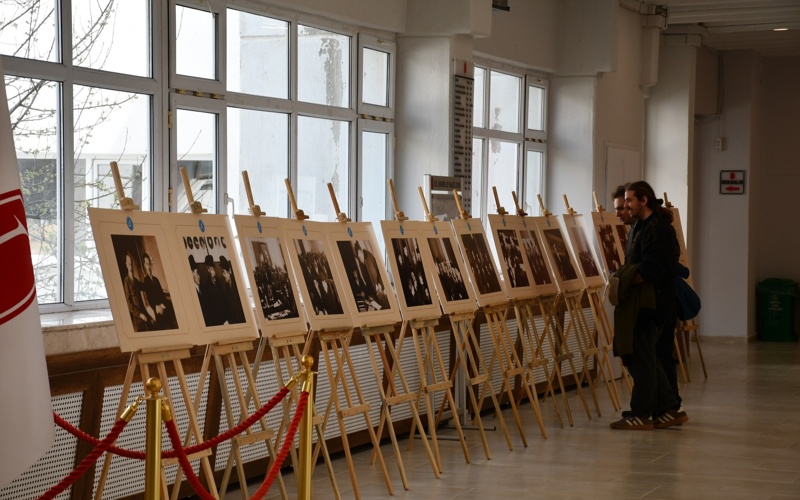
As part of the program, an exhibition of archival photographs reflecting the context of the 1926 Congress was presented, as well as scientific publications prepared based on the results of international research.
President of the Turkic Academy Shahin Mustafayev noted that the First Turkic Congress became an important intellectual platform that laid the foundations for scientific interaction in the Turkic world. He emphasized the priority of tasks to preserve and develop this heritage, as well as strengthening academic cooperation.
“For the Turkic Academy, the priority task is to preserve and develop this heritage, strengthen scientific solidarity and form a common academic space for future generations of researchers,” Mustafayev emphasized.
At the same time, during the discussions, the coordinating role of the Academy in the formation of a common scientific space was noted. In particular, mention is made of the creation of an Expert Commission on the Common Turkic Alphabet in 2023 and the adoption of its unified version in 2024.
One of the first practical steps in this direction was the publication of works by Abai Kunanbaev and Chingiz Aitmatov based on the new alphabet. Work also continues on the development of specialized terminological dictionaries in various fields, including economics, medicine, information technology and international relations.
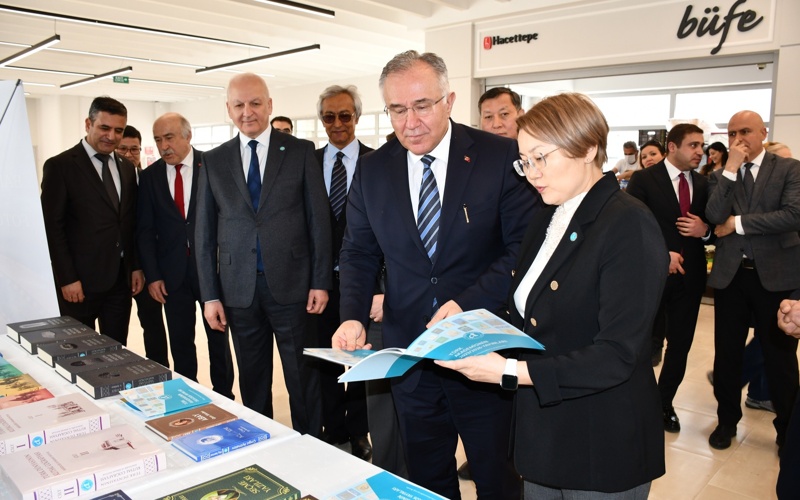
The events held, say visitors to the congress, to a certain extent confirm the continuity of scientific traditions established back in 1926. Their relevance in the conditions of modern international academic cooperation remains.
Previously we wrote that the International Turkic Academy is celebrating its 15th anniversary – an anniversary that has become not just a festive date, but a significant point in the history of the scientific and cultural unity of the Turkic world.