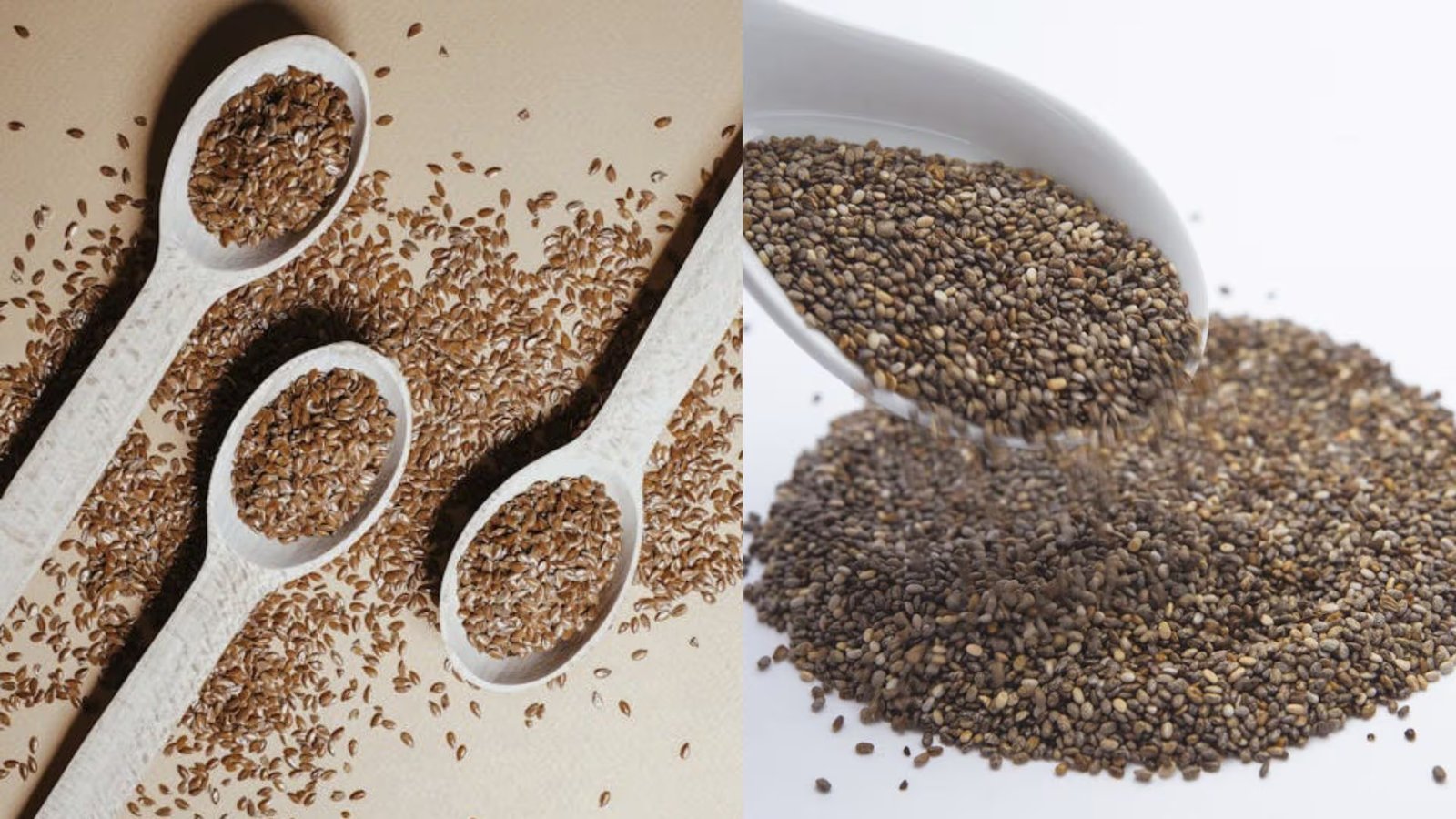
The chia and flaxseed are recognized for their health nutrients; However, their intake is not safe for everyone because there are even those who may experience intolerance or difficulties digesting them.
If you want to know if you are among those groups, today in Menu we tell you.
According to the Ministry of Agriculture and Rural Development, flax is a herbaceous plant of the linaceae family; Commonly, its seed is pulverized to obtain flour and oil, both suitable for human consumption.
Furthermore, in an article for Tua Saúde, nutritionist Karla Leal points out that this seed contains omega-3, vitamin E and magnesium, nutrients with relaxing and anti-inflammatory properties that promote blood circulation. In turn, this prevents conditions such as hypertension, atherosclerosis and heart attacks.
Likewise, its high insoluble fiber content helps increase the volume of stool and stimulates intestinal movement, benefiting digestion and preventing constipation.
This same nutrient slows the absorption of sugar, controlling blood glucose levels and reducing the risk of developing insulin resistance or type 2 diabetes.
Another advantage of flax is that it provides lutein and zeaxanthin, carotenoids with antioxidant action that protect the retina from the effects of ultraviolet light, which contributes to eye health.

Flaxseed is abundant in fiber, and this prevents constipation, Photo: Pixabay
Read also How many calories does lemon ice cream pie have?
On the other hand, an article from Harvard Health Publishing indicates that seeds Chia seeds are rich in fiber, proteins, fatty acids, antioxidants and essential minerals, including calcium, magnesium and phosphorus.
In particular, thanks to its contribution of omega-3 and alpha-linolenic acid (ALA), its consumption helps reduce LDL cholesterol and triglycerides, which can reduce the risk of cardiovascular diseases.
Another fact is that eating these seeds positively impacts intestinal health because it facilitates digestive transit and combats constipation, due to their fiber.
And since they have large amounts of calcium, phosphorus and magnesium, these seeds promote bone health: from the bones of the body, teeth and even nails.
Regarding its antioxidants, it can protect the body from cellular damage caused by free radicals. In the long term, this prevents diseases such as Alzheimer’s and even premature aging.
Finally, the seeds of chia They offer complete proteins, which not only helps maintain muscle mass, but also provides the body with energy constantly.

Chia is rich in calcium and therefore promotes bone health. Photo: Freepik
Dr. Michael Greger, director of the NutritionFacts organization, warns that not all people should consume these seeds, no matter how many benefits they offer.
First of all, the flax It is poorly tolerated by those who suffer from digestive problems such as Irritable Bowel Syndrome. This is because its excess fiber aggravates symptoms such as gas or bloating.
Likewise, people with intestinal obstructions or difficulty swallowing should avoid consumption. The reason? By absorbing water, flaxseed can expand and complicate the swallowing process.
Patients with hormonal diseases or a history of hormone-sensitive cancer should also use caution because these seeds They contain compounds with estrogen-like properties.
In the case of people taking anticoagulant medications and pregnant or breastfeeding women, it is important to consult with an expert if they can eat them in specific quantities or if it is better to discard them completely.
And finally, groups that experience sensitivity or allergy have to avoid ingestion so as not to endanger their health.

Flaxseed should not be consumed by people with digestive diseases. Photo: Freepik
Regarding the contraindications of chia, dietitian Rachael Ajmera indicates in a Healthline article that people with ulcerative colitis or Crohn’s disease should moderate their fiber consumption.
This is because during flare-ups—that is, when symptoms intensify—excess fiber in the girl aggravates symptoms such as abdominal pain, cramps, diarrhea, and inflammation.
And due to their size, these seeds can represent a choking risk for girls and boys.
For people with hypertension, the chia It can enhance the action of medical treatment and this, in turn, increases the risk of hypotension (lower blood pressure than normal).
The dietician highlights that although allergic reactions are rare, if symptoms such as dizziness, itching, swelling, diarrhea or vomiting appear after ingestion, it is better to seek medical attention.
You already know it! Although they are an excellent complement to your diet, it is important to consume flax and chia responsibly.
Read also Somma Rooftop, the “social club” to enjoy a wine in CDMX
Receive Hello Weekend every Friday, our newsletter with the latest in gastronomy, travel, technology, cars, fashion and beauty. Subscribe here:https://www.eluniversal.com.mx/newsletters