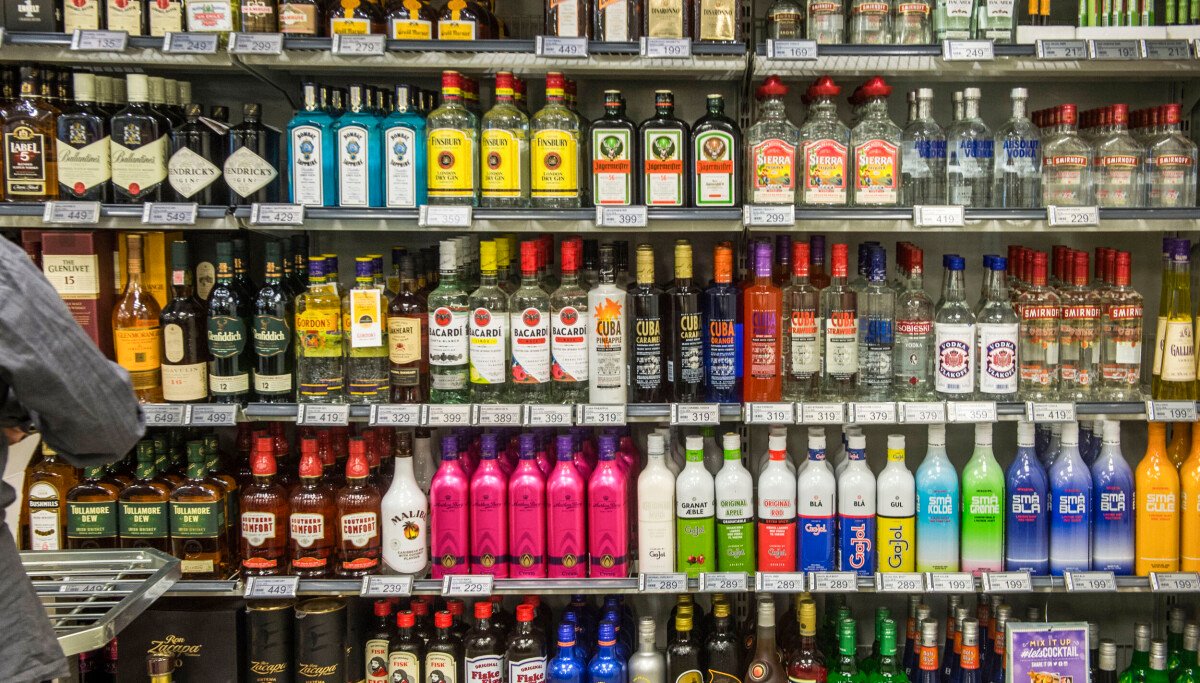
Local alcohol restrictions is not a new phenomenon in Greenland. Over the decades, the authorities have tried different models to regulate the population’s access to alcohol.
From 1979 to 1982, for example, there was a general points system for alcohol in the country. Later, the regulation became more local and temporary, so that certain cities and settlements could have special restrictions.
Local alcohol restrictions is not a new phenomenon in Greenland. Over the decades, the authorities have tried different models to regulate the population’s access to alcohol.
From 1979 to 1982, for example, there was a general points system for alcohol in the country. Later, the regulation became more local and temporary, so that certain cities and settlements could have special restrictions.
The research literature on alcohol in Greenland describes how local restrictions have been applied over time, especially in East Greenland, Qaanaaq and the settlements north of Upernavik.
The historical pattern shows that Greenland has not only used a nationwide alcohol policy. There has also been a tradition of introducing special arrangements in areas where local conditions have led to a desire to limit access to alcohol.
Upernavik settlements: Alcohol must be ordered in advance
In the Upernavik area, special alcohol regulations have been in force since 2002. The system was introduced in the then Upernavik Municipality and later continued in the regulations for the former Qaasuitsup Municipality.
The self-government’s executive order no. 26 of 4 November 2016 stipulates that the sale of both strong and weak alcoholic drinks in nine settlements may only take place after prior ordering for later delivery.
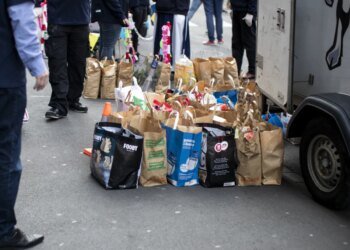
Alcohol must be ordered in advance and delivered from Upernavik or another town in Greenland. The ordered drinks can either be delivered directly to the customer or delivered through a shop in the village. Delivery must take place within the applicable sales hours.
The scheme thus differs from ordinary shop sales, where customers can freely buy alcohol from the shop’s range.
A system that the citizens themselves wanted
The special rules are not only regulated by the authorities. One article from 2015 described that the majority of residents in the affected settlements near Upernavik wanted alcohol not to be on the shop shelves.
Therefore, there is a local desire to limit direct access to alcohol. Instead of abolishing the option of buying alcohol completely, they have chosen a model where the drinks must be ordered in advance.
For some citizens, such an arrangement can be a way of creating greater distance between impulse purchases and access to alcohol. At the same time, it still allows you to order alcohol according to the current regulations.
The arrangement in Upernavik’s settlements is thus an example of how local wishes to limit access to alcohol can be included in the design of alcohol policy in Greenland.
Qaanaaq and the settlements: Special rules for strong alcohol
In the Qaanaaq area, there have also been special rules for the sale and serving of alcohol.
According to the executive order from 2016 the sale and serving of strong alcoholic beverages with an alcohol content of 15 or more is prohibited in Qaanaaq and in the settlements of Qeqertat and Siorapaluk.
In Savissivik, a more comprehensive rule applies, where the sale of both strong and weak alcoholic drinks is prohibited. In addition, the serving of strong drinks with at least 15 percent alcohol is prohibited.
The rules show that the authorities have chosen different models in northern Greenland. Some places restrict access to the strongest drinks, while other places have a wider ban on sales.
However, it is important to distinguish between a ban on strong alcohol and a total alcohol ban. According to the wording of the decree, the restrictions in Qaanaaq, Qeqertat and Siorapaluk include drinks with at least 15 percent alcohol, not all alcoholic drinks.
East Greenland: From permanent restrictions to temporary total bans
East Greenland also has a long history of special alcohol regulations. In Tasiilaq, the surrounding settlements and Ittoqqortoormiit, there have been restrictions on strong alcoholic drinks with an alcohol content of 15 or more.
In September 2021, the rules were temporarily tightened in Tasiilaq and five settlements: Kulusuk, Tiilerilaaq, Isertoq, Kuummiit and Sermiligaaq.
Here, Naalakkersuisut introduced a ban on the sale and serving of all alcoholic beverages with at least 2.25 percent alcohol. The ban applied from 3 September to and including 17 September 2021.
The decision came after a period of serious incidents, including violence, house shows and suicide. Authorities described the situation as serious, and alcohol played a role in a number of the incidents, according to reports at the time.
The ban was therefore an example of how Section 41 of the Alcohol Act can be used to introduce a quick, geographically limited intervention when the welfare of children and the safety of the population are deemed to be threatened.
However, the temporary ban from 2021 has been lifted and must not be confused with the rules that apply today.
Municipality of Kujalleq: A temporary total ban
On 2 October 2026, the Self-Government’s Executive Order No. 40 entered into force. It introduced a temporary ban on the sale and serving of alcoholic beverages with at least 2.25 percent alcohol in the entire Municipality of Kujalleq.
The ban covers both the cities of Qaqortoq, Narsaq and Nanortalik as well as the municipality’s settlements. It was introduced at the request of the municipal council with reference to the welfare of children and the safety of the population.
The order does not have a fixed end date. The ban applies until it is changed or lifted.
The municipality of Kujalleq is thus a current example of how legislation can be used to introduce a comprehensive ban in an entire municipality, while other areas continue to have more limited rules.
Different rules – same legal basis
The alcohol regulations in Greenland range from pre-order requirements to bans on specific alcohol strengths and temporary total bans.
In Upernavik’s settlements, general access to alcohol is restricted through an ordering system. In Qaanaaq and several settlements there are special restrictions on strong alcohol. In East Greenland, the authorities have used both long-term restrictions and temporary bans. In the Municipality of Kujalleq, a temporary ban on the sale and dispensing of beer has been introduced in the entire municipality in October 2026.
Greenland’s alcohol law thus allows for both targeted restrictions and extensive prohibitions. The specific regulation depends on the individual executive order, and historical prohibitions must always be kept separate from the rules that apply today.