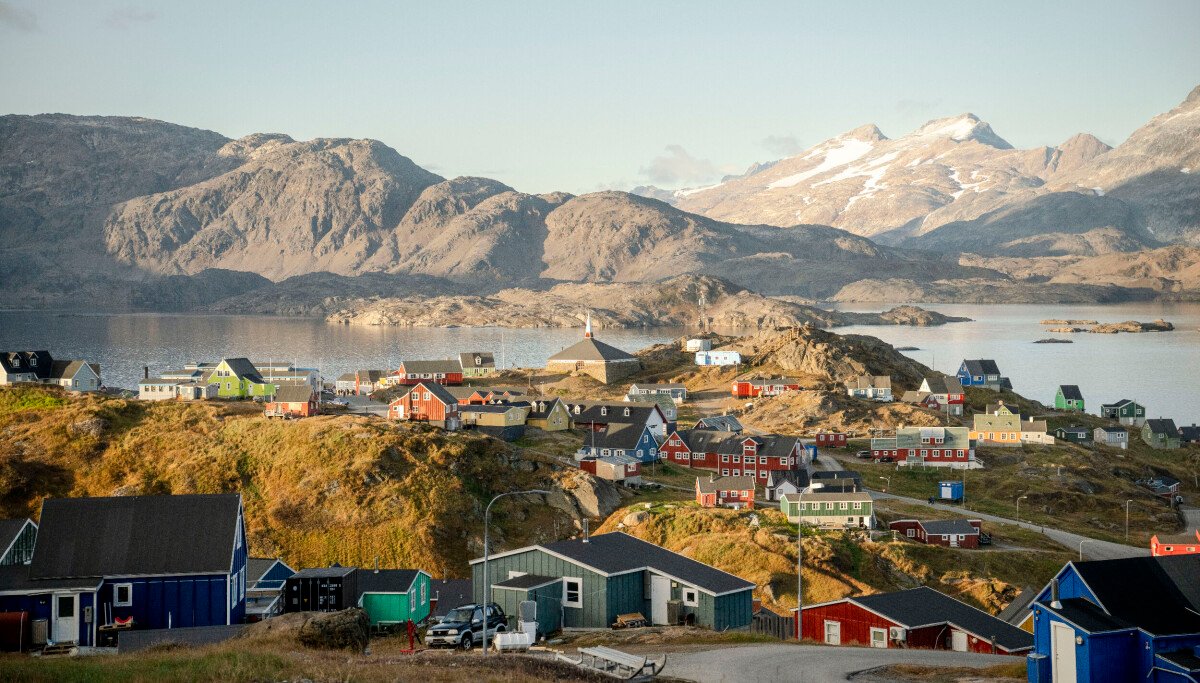
There are more men than women, and their average age is increasing. In addition, the professional opportunities are modest. This is how it is in several of the smaller settlements in Greenland, and we have to deal with that.
So says the chairman of the Economic Council, Professor Torben M. Andersen, who points out that our settlement pattern is not sustainable. And therefore we have to talk about how we can organize the offers for the different cities and places of residence, so that vulnerability is reduced.
That was the message in his presentation during the Future Greenland conference in mid-May.
There are more men than women, and their average age is increasing. In addition, the professional opportunities are modest. This is how it is in several of the smaller settlements in Greenland, and we have to deal with that.
So says the chairman of the Economic Council, Professor Torben M. Andersen, who points out that our settlement pattern is not sustainable. And therefore we have to talk about how we can organize the offers for the different cities and places of residence, so that vulnerability is reduced.
That was the message in his presentation during the Future Greenland conference in mid-May.
A scattered settlement
To Sermitsiaq, Torben M. Andersen says that with his presentation he wanted to focus on the fact that demography combined with settlement means that several of the smaller settlements have come under economic and social pressure.
– At the same time, we know that not all settlements are challenged. In some places there is a good business base, typically fishing or tourism in connection with a larger city. But elsewhere we see a real problem, where you have to deal with what you can do politically, says Torben M. Andersen, who points out that there are many good arguments for having a scattered settlement in Greenland.
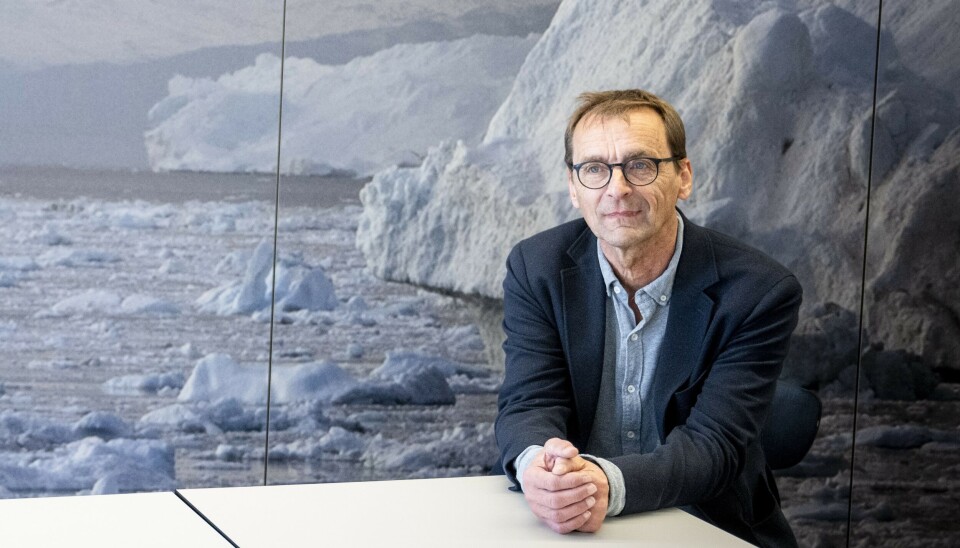
According to Torben M. Andersen, the 72 residences in the country can do something different and therefore it is not realistic to have the same offers across cities and residences.
– It is up to the politicians to decide what can be made available to those who live in the smaller residences. And that is a big and difficult question. But you have to deal with the fact that the younger people leave the smaller settlements, while the older people stay behind. And those movements happen completely by themselves.
An active policy
Torben M. Andersen argues that the financial support from the self-government and from the municipalities to the individual residences must be based to a greater extent on an active policy, which is given as a grant tied to location-related activities, for example transport deductions and specific business activities, and with a focus on sustainable residences.
– There may be activities that are tied to the specific place of residence, and there may be activities that have local ownership. It is incredibly important that work is done with responsibility, initiative, ownership and development of civil society in the places of residence.
– The solutions must be more adapted to the local conditions and not be copies of the solutions in the larger cities. At the same time, there may be challenges, for example with small businesses or recruitment locally, which could advantageously be solved regionally or municipally.
Flexible form of organization
According to Torben M. Andersen, it would be advantageous to work with a more flexible form of organization than the current one with the five municipalities.
– There are some conditions that must be common to everyone. And then there are some conditions where one could talk about greater local ownership – i.e. also more locally than at municipal level, so that it reaches the individual residences and helps to create activity.