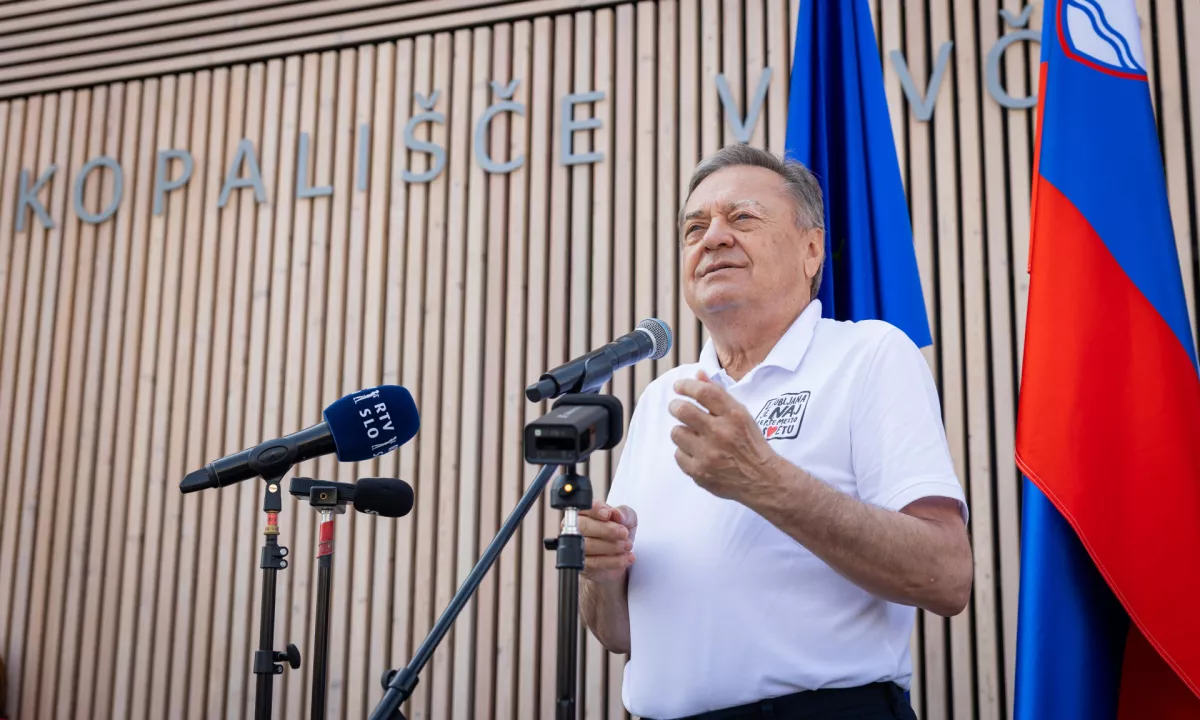
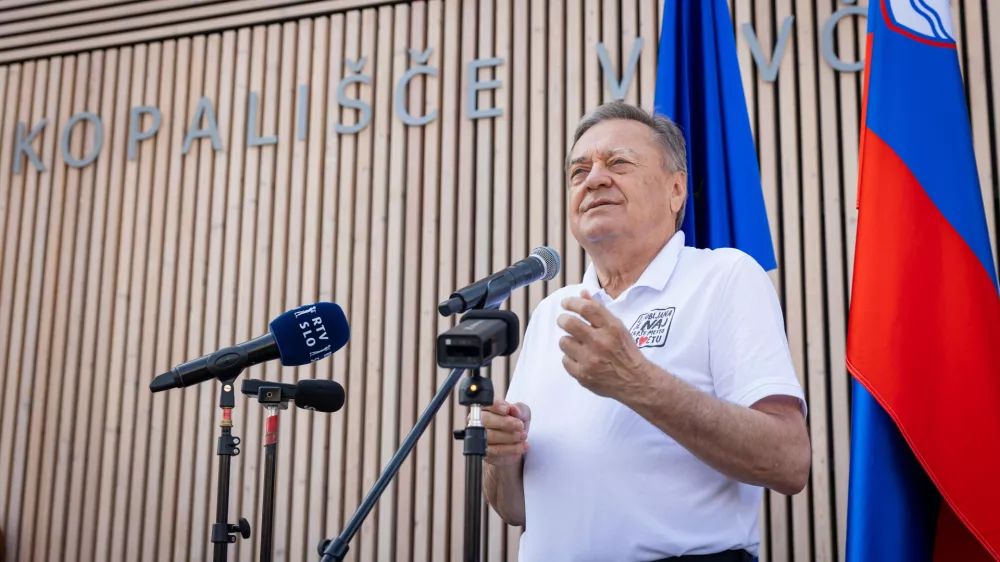
When a public swimming pool becomes a luxury: parking fee at the Vevče municipal swimming pool
On behalf of a group of citizens of the Municipality of Ljubljana (MOL), I filed a group complaint and at the same time a request for an official explanation regarding the arrangement of paid parking and traffic accessibility of the Vevče municipal swimming pool.
Namely, we believe that the existing arrangement is in conflict with the public interest, the principles of social justice and the goals and commitments adopted by the City of Ljubljana in its strategic documents.
The municipal swimming pool of Vevče is a public sports and recreation facility intended for the residents of the city. Its basic purpose is to enable accessible recreation, health protection and social inclusion. Nevertheless, in addition to paying the entrance fee, users are additionally burdened with paying the parking fee, which represents an unjustified increase in the use of public infrastructure and actually limits access to the facility.
Such an arrangement is particularly problematic from the point of view of social justice. Public transport access to the swimming pool is not properly organized: bus lines do not go directly to the facility, and the nearest stop is approximately 500 meters away. This distance is difficult or unsuitable for the elderly, the physically challenged, parents with children and visitors with sports equipment. In practice, this means that arriving by car is often not a choice, but a necessity, which further emphasizes the unfairness of charging for parking.
At the same time, we draw attention to the clear inconsistency with the integrated transport strategy of the City of Ljubljana (CPS MOL), which states among its key goals and principles the provision of accessibility of public services and facilities for all residents, the fairness of transport measures, whereby costs and restrictions must not be disproportionately imposed on individual groups, and the introduction of restrictive measures for the use of personal vehicles only while simultaneously providing high-quality and useful alternatives (public passenger transport, walking, cycling).
CPS MOL explicitly emphasizes that transport measures must not reduce the accessibility of basic public services and that sustainable mobility does not mean only limiting car traffic, but above all providing realistic alternatives. In the case of the Vevče municipal swimming pool, these conditions are clearly not met. Likewise, documents from the field of sports and quality of life in the MOL (e.g. sports development strategies) emphasize the importance of a wide and affordable public sports infrastructure. Paid parking next to a public sports facility, without adequate public transport, is in clear contradiction with these guidelines.
On this basis, we conclude that the current arrangement is not consistent with the MOL CPS and other development documents of the MOL, we believe that it interferes with the public interest and reduces the actual accessibility of the municipal facility, and we assess that it transfers the burdens of traffic policy to users of public services in a socially unfair way.
Therefore, we request a written explanation from the Municipality of Ljubljana on the professional and strategic grounds for the decision on paid parking at the municipal swimming pool Vevče, an explanation of how such an arrangement is coordinated with the goals and principles of the CPS MOL, a reassessment of the arrangement and the adoption of concrete measures, in particular the abolition of paid parking for visitors to the swimming pool or the introduction of time-limited free parking, the possibility of validating a parking ticket when purchasing a ticket, and improving accessibility with public passenger traffic in accordance with CPS MOL.
We ask the MOL to provide us with a written answer within a reasonable period of time and indicate any planned changes or reasons for maintaining the existing arrangement.
Ferenc Godina, Ljubljana