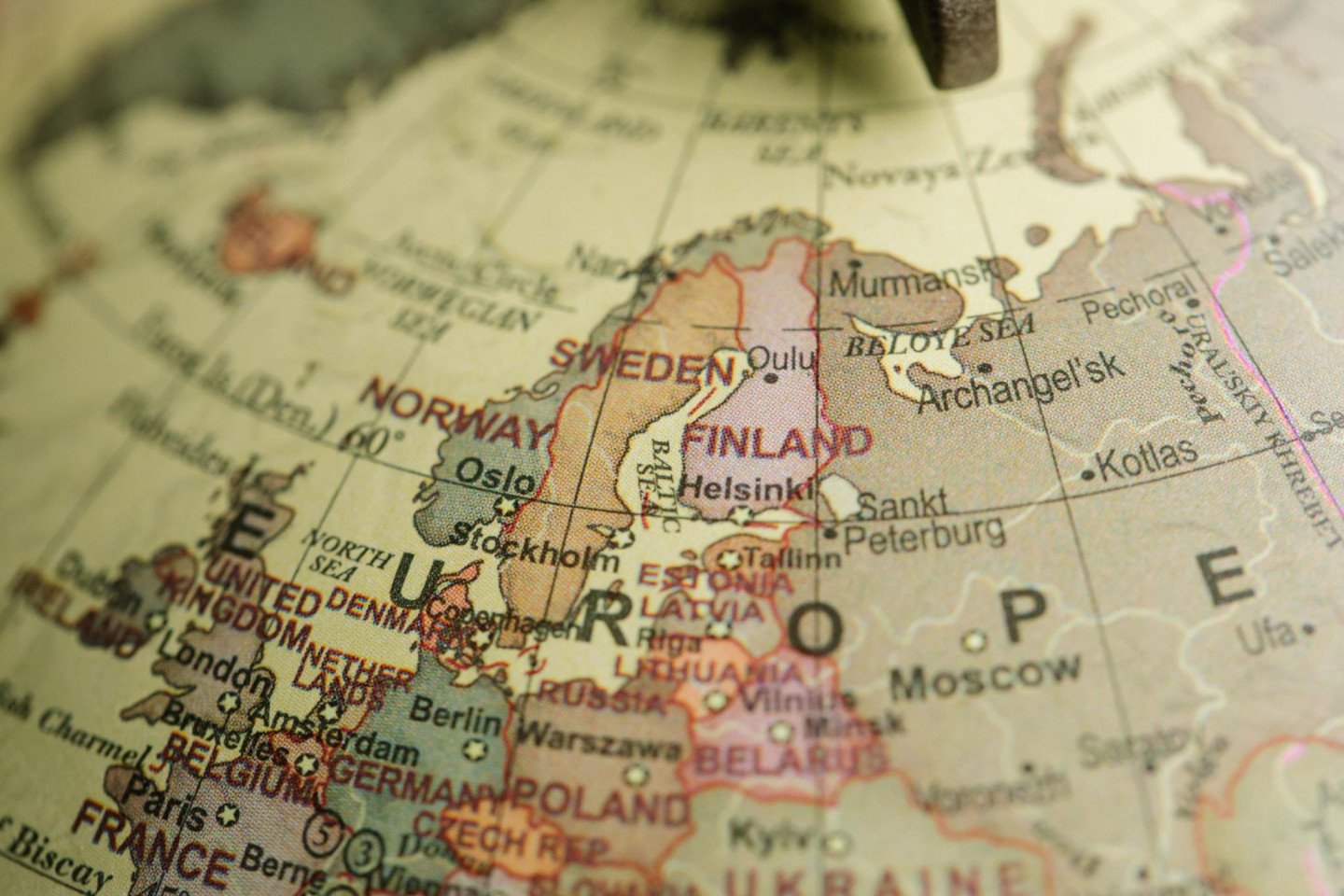
Russia is expanding military bases and strengthening military forces along its border with Northern Europe and the Baltic states – according to Danish intelligence sources, these actions may indicate preparations for a possible large-scale conflict with European countries in the Baltic Sea region.
Danish, Swedish, Norwegian and Finnish intelligence officials believe that this situation could drag NATO and Russia into a dangerous confrontation, reports the Danish broadcaster “DR”. High-ranking officers say that in the event of an escalation, the first hostilities could begin near Denmark and the Baltic states.
Sources emphasize that currently there are no confirmed Russian decisions on aggression, but preparatory processes are already underway. Currently, Russia is expanding military bases and modernizing infrastructure along its European borders. For example, Russia is rebuilding a garrison in the city of Petrozavodsk near Finland, and after the fighting in Ukraine ends, Russia could deploy tens of thousands of additional troops to the border areas.
Former intelligence officer Mark Eklund says that after the end of the fighting in Ukraine, Russia plans to deploy around 115,000 troops on the border, most of whom will already have combat experience.
The representatives of the Scandinavian countries indicate that the threat level is currently assessed to be higher than during the Cold War.
However, Russia officially denies plans to attack NATO countries, calling such claims false – the Kremlin claims that it is NATO and European countries that are creating tension in the region.
Western military experts warn that the next one to three years could be the most dangerous period for Europe, citing the rapid expansion of Russian military production and the insufficient preparation of European countries as reasons. Some NATO officers admit that Europe lacks weapons, technology and military infrastructure, and believes that this gap could become critical in the event of a sudden escalation of the conflict. Despite the different assessments of the countries, the situation in the Baltic region is still tense, and experts call for strengthening European defense preparedness.