Al-Thawra Net/..
Inflation in America recorded its highest level in three years last May, driven by a rise in energy and fuel prices, in light of the repercussions of the war in the Middle East and the tensions that affected global oil markets.
According to data published by the US Bureau of Labor Statistics on Wednesday, the consumer price index rose by 4.2% on an annual basis during May, compared to 3.8% last April.
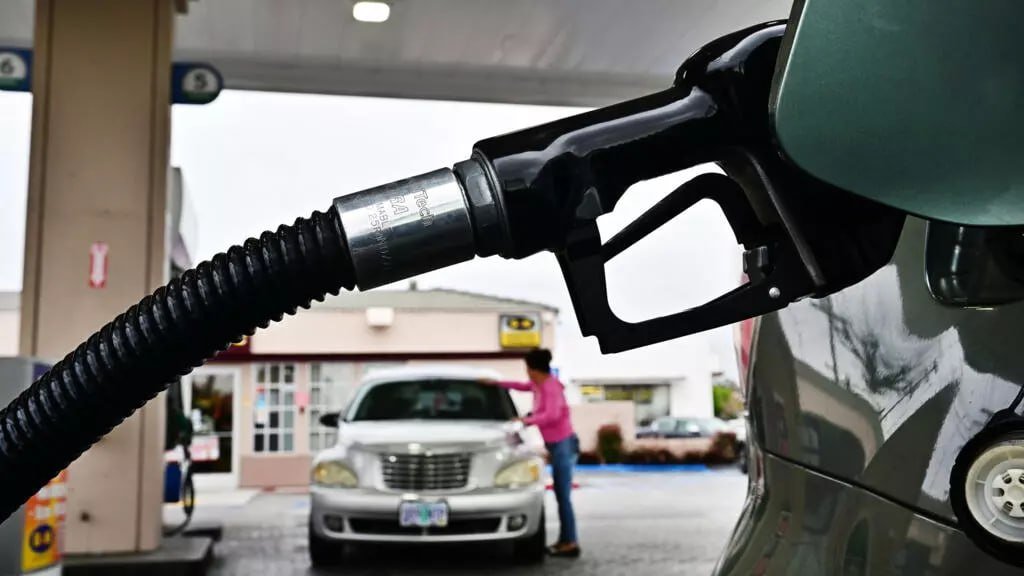
The data showed that energy prices jumped by 23.5% compared to the same period last year, while gasoline prices rose by 40.5%, which was reflected in transportation costs and the prices of a number of goods and services.
Food prices also rose for the second month in a row, recording an annual increase of 2.7%, in addition to rising costs for health care, personal care, airline tickets, and recreational activities.
Core inflation, which excludes food and energy prices, was 2.9% in May, compared to 2.8% in the previous month.
This rise comes in light of the ongoing turmoil in energy markets since the start of the US-Zionist aggression against Iran on February 28, and the subsequent restrictions on navigation in the Strait of Hormuz, through which about a fifth of global oil and gas supplies pass.
The high cost of living is one of the most prominent issues before American voters ahead of the midterm elections scheduled for next November, at a time when the Republican Party is facing increasing pressure due to the impact of high prices on American families.
On the other hand, analysts believe that the pace of inflation may begin to decline in the coming months as energy prices stabilize.
Nationwide’s chief economist, Cathy Bostjancic, said that energy prices were the main factor behind the rise in inflation last month, adding: “We believe that inflation has peaked and may decline during the second half of the year.”
She indicated that this scenario remains linked to the possibility of reaching understandings with Iran that allow the return of normal shipping traffic through the Strait of Hormuz and ease pressures on global energy markets.
The US Federal Reserve targets a long-term inflation rate of 2%, while its monetary policy committee is scheduled to hold a meeting next week to discuss interest rates and evaluate the path of the US economy.