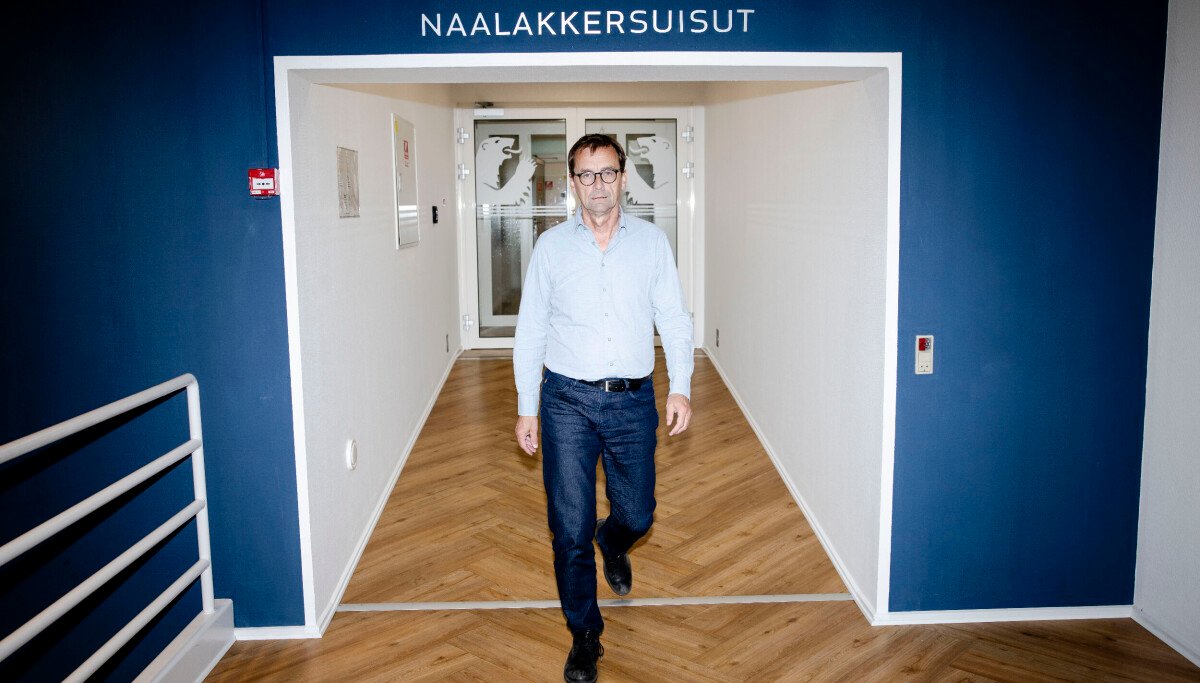
On the occasion of the Economic Council’s half-yearly report, Torben M. Andersen warns against what he calls budget optimism. He also elaborates on why he wants the unemployed young people to be activated.
First there was the view for good tax revenues and room for pleasant tax breaks. Large savings were to be found later.
For Torben M. Andersen, economist, professor and chairman of the Economic Council of Greenland, the process illustrates a problem with the country’s economic policy.
– In 2024, things were looked at positively, and there was a prospect of good tax revenues, and then they were used for tax reductions in the Finance Act for 2025. Later it turned out that there was no basis for that optimism, so you had to find lots of savings, he says.
– This is how you end up with a kind of zigzag, where you press the accelerator one year and the brake the next. It is not appropriate for the economy, he tells Sermitsiaq.
The occasion is the Economic Council’s new report for the second half of 2026.
There is certainly a prospect of economic progress here, partly due to high prices for fish and a strong cod fishery. But the need for reforms and a sustainable public economy is unchanged, the council assesses.
The profits lie in the future
Torben M. Andersen and the Economic Council have both identified a problem and given it a name: budget optimism.
– It has its background in something a little nerdy, namely the Budget Act. There is the requirement that there must be a total profit over the four years. There must be a deficit for one or two years, as long as the overall balance is balanced, he says.
But there is a difference between an expected profit and money that actually ends up in the national treasury.
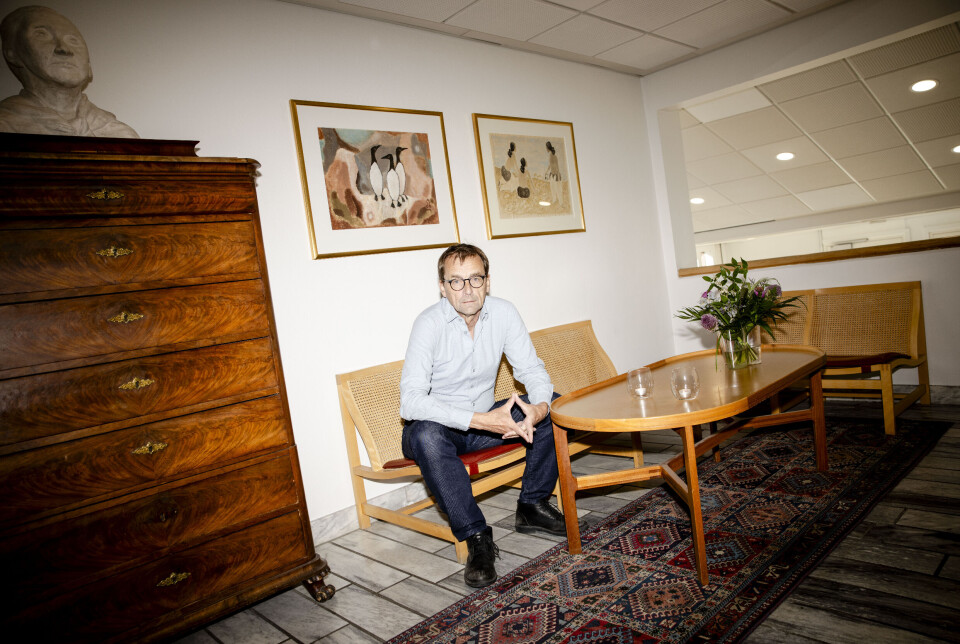
– What we call budget optimism is when you get the Finance Act to comply with the requirement by planning the deficits in the first years and counting on profits well into the forecast years.
– This way you comply with the balance requirement on paper, but in practice you may risk that the expected profits will never be realized, says Torben M. Andersen.
In the finance bill for 2027, deficits are planned for both 2027 and 2028, while surpluses are budgeted for 2029 and 2030. According to the council, this follows a trend in recent years’ finance laws, where the balance is secured through expected profits in the last years.
Want a bigger margin of safety
At the same time, the Economic Council assesses that the Budget Act has generally contributed to better management of public finances. But instead of simply demanding a balance over a number of years, the council points to the possibility of demanding a profit of a certain size.
– A profit target will provide a greater margin of safety. It will both contribute to consolidating the national treasury’s finances and provide greater room for maneuver if the economy turns, or there are unforeseen expenses, says Torben M. Andersen.
The need must also be seen in the light of the long-term challenges.
The population is getting older, and with unchanged policy, according to the report, there is a prospect of annual deficits in the national treasury of DKK 400-500 million towards the end of the 2030s.
– There will be increasing pressure on the public finances, so there is a reason why the current generations also contribute to building an economic leeway, he says.
Activity jobs can start in Tasiilaq
A significant part of securing the great economic future is about getting more people into work.
In the report, the council proposes to consider a scheme where young recipients of jobseeker’s allowance must participate in activity jobs. That is, socially useful tasks in a municipally administered scheme, which should help them further towards education or a regular job.
The council mentions young people up to, for example, 25 years of age as a target group and Tasiilaq as a possible place to test the scheme.
– Because it is an area where business opportunities are not that good. And where it can be said that these activity jobs can contribute to solving something for society and for those who live in the city, says Torben M. Andersen.
He mentions cleaning and tasks of setting things up as possibilities. These may be different tasks depending on the local conditions. Hopefully it will also motivate the young people to get a real job.
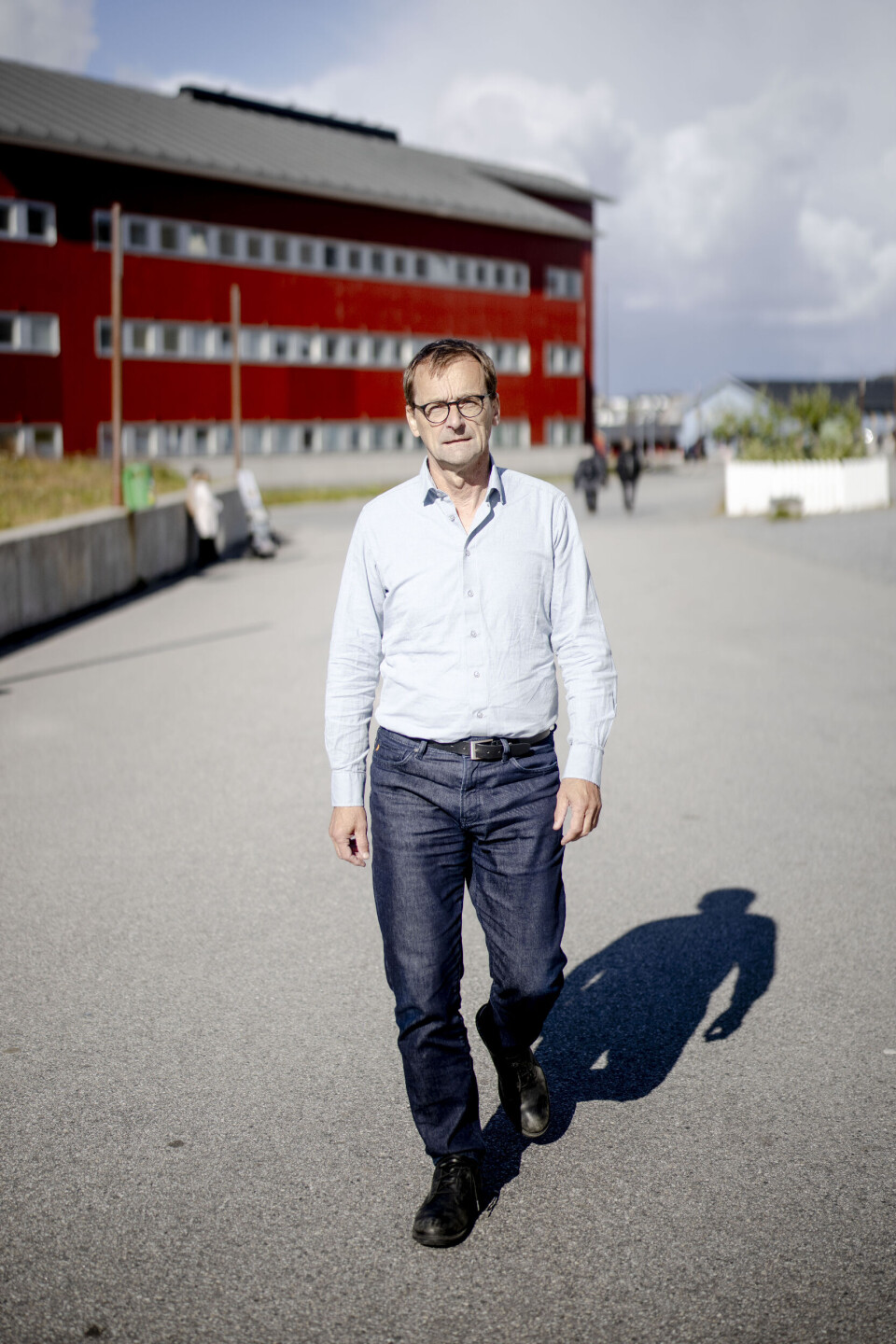
Surely there needs to be some jobs for the young people before it can pay off for them?
– There will also be an opportunity for that in the long term. Before then, you can give something for something and prepare to show up regularly for a job.
Could it not end up with fewer real jobs if the young people perform tasks that private individuals could make money from?
– Yes. And that’s where you constantly have to assess what kind of activities you have to put them in, and change it in relation to what job opportunities there are.
Potential gain in pension reform
There are many tools that can be turned on to make the economy stronger and more stable, says Torben M. Andersen.
– An increase in the retirement age has a very large effect on employment and the economy. That effect is quite certain. But it can of course be an unpopular solution, says Torben M. Andersen.
– Education is also central to employment. It is about minimizing this group of citizens who are neither in education nor in jobs, he continues.
If older and skilled employees stay longer in the labor market, surely there will be fewer jobs for the unemployed young people – in Tasiilaq or elsewhere?
– It might be a problem elsewhere. That is not the case here in Greenland. There is as much labor needed as we are currently getting from outside. Therefore, there are also good prerequisites for these measures to have a positive effect on the economy, says Torben M. Andersen.