Sunday, June 7, 2026
    The GeoStrategic Consensus
    No Result
    View All Result
    • Login
    • HOME
    • AMERICAS
      • Argentina
      • Brazil
      • Canada
      • Chile
      • Colombia
      • Costa Rica
      • Cuba
      • Dominican Republic
      • Ecuador
      • El Salvador
      • Greenland
      • Guatemala
      • Honduras
      • Mexico
      • Nicaragua
      • Panama
      • Paraguay
      • Peru
      • United States
      • Uruguay
      • Venezuela
    • ASIA-PACIFIC
      • Australia
      • Brunei Darussalam
      • Cambodia
      • China
      • Federated States of Micronesia
      • Fiji
      • Indonesia
      • Japan
      • Kiribati
      • Laos
      • Malaysia
      • Marshall Islands
      • Mongolia
      • Myanmar
      • Nauru
      • New Zealand
      • North Korea
      • Palau
      • Papua New Guinea
      • Philippines
      • Samoa
      • Singapore
      • Solomon Islands
      • South Korea
      • Taiwan
      • Thailand
      • Timor-Leste
      • Tonga
      • Tuvalu
      • Vanuatu
      • Vietnam
    • CARICOM
      • CARICOM – Non-English
        • Haiti
        • Suriname
      • CARICOM Associates
        • Anguilla
        • Bermuda
        • British-Virgin-Islands
        • Cayman-Islands
        • Curacao
        • Turks-and-Caicos
      • CARICOM English
        • Antigua and Barbuda
        • Barbados
        • Belize
        • Dominica
        • Grenada
        • Guyana
        • Jamaica
        • Montserrat
        • Saint Kitts and Nevis
        • Saint Lucia
        • Saint Vincent and the Grenadines
        • The Bahamas
        • Trinidad and Tobago
    • EURASIA
      • Armenia
      • Azerbaijan
      • Balarus
      • Georgia
      • Kazakhstan
      • Kyrgyzstan
      • Moldova
      • Russia
      • Tajikistan
      • Turkmenistan
      • Ukraine
      • Uzbekistan
    • EUROPE
      • Albania
      • Andorra
      • Austria
      • Bosnia and Herzegovina
      • Bulgaria
      • Croatia
      • Cyprus
      • Czech Republic
      • Denmark
      • Estonia
      • Finland
      • France
      • Germany
      • Greece
      • Holy See
      • Hungary
      • Iceland
      • Ireland
      • Italy
      • Kosovo
      • Latvia
      • Liechtenstein
      • Lithuania
      • Luxembourg
      • Malta
      • Monaco
      • Montenegro
      • Netherlands
      • North Macedonia
      • Norway
      • Poland
      • Portugal
      • Romania
      • San Marino
      • Serbia
      • Slovakia
      • Slovenia
      • Spain
      • Sweden
      • Switzerland
      • United Kingdom
    • MIDDLE EAST AND NORTH AFRICA
      • Algeria
      • Bahrain
      • Egypt
      • Iran
      • Iraq
      • Israel
      • Jordan
      • Kuwait
      • Lebanon
      • Lybia
      • Morocco
      • Oman
      • Palestinian Territories
      • Qatar
      • Saudi Arabia
      • Syria
      • Tunisia
      • Turkey
      • United Arab Emirates
      • Western Sahara
      • Yemen
    • SOUTH ASIA
      • Afghanistan
      • Bangladesh
      • Bhutan
      • India
      • Maldives
      • Nepal
      • Pakistan
      • Sri Lanka
    • SUB-SAHARAN AFRICA
      • Angola
      • Benin
      • Botswana
      • Burkina Faso
      • Burundi
      • Cabo Verde
      • Cameroon
      • Central African Republic
      • Chad
      • Comoros
      • Cote d’Ivoire
      • Democratic Republic of the Congo
      • Djibouti
      • Equatorial Guinea
      • Eritrea
      • Eswatini
      • Ethiopia
      • Gabon
      • Gambia
      • Ghana
      • Guinea
      • Guinea Bissau
      • Kenya
      • Lesotho
      • Liberia
      • Madagascar
      • Malawi
      • Mali
      • Mauritania
      • Mauritius
      • Mozambique
      • Namibia
      • Niger
      • Nigeria
      • Republic of the Congo
      • Rwanda
      • Sao Tome and Principe
      • Senegal
      • Seychelles
      • Sierra Leone
      • Somalia
      • South Africa
      • South Sudan
      • Sudan
      • Tanzania
      • Togo
      • Uganda
      • Zambia
      • Zimbabwe
    • HOME
    • AMERICAS
      • Argentina
      • Brazil
      • Canada
      • Chile
      • Colombia
      • Costa Rica
      • Cuba
      • Dominican Republic
      • Ecuador
      • El Salvador
      • Greenland
      • Guatemala
      • Honduras
      • Mexico
      • Nicaragua
      • Panama
      • Paraguay
      • Peru
      • United States
      • Uruguay
      • Venezuela
    • ASIA-PACIFIC
      • Australia
      • Brunei Darussalam
      • Cambodia
      • China
      • Federated States of Micronesia
      • Fiji
      • Indonesia
      • Japan
      • Kiribati
      • Laos
      • Malaysia
      • Marshall Islands
      • Mongolia
      • Myanmar
      • Nauru
      • New Zealand
      • North Korea
      • Palau
      • Papua New Guinea
      • Philippines
      • Samoa
      • Singapore
      • Solomon Islands
      • South Korea
      • Taiwan
      • Thailand
      • Timor-Leste
      • Tonga
      • Tuvalu
      • Vanuatu
      • Vietnam
    • CARICOM
      • CARICOM – Non-English
        • Haiti
        • Suriname
      • CARICOM Associates
        • Anguilla
        • Bermuda
        • British-Virgin-Islands
        • Cayman-Islands
        • Curacao
        • Turks-and-Caicos
      • CARICOM English
        • Antigua and Barbuda
        • Barbados
        • Belize
        • Dominica
        • Grenada
        • Guyana
        • Jamaica
        • Montserrat
        • Saint Kitts and Nevis
        • Saint Lucia
        • Saint Vincent and the Grenadines
        • The Bahamas
        • Trinidad and Tobago
    • EURASIA
      • Armenia
      • Azerbaijan
      • Balarus
      • Georgia
      • Kazakhstan
      • Kyrgyzstan
      • Moldova
      • Russia
      • Tajikistan
      • Turkmenistan
      • Ukraine
      • Uzbekistan
    • EUROPE
      • Albania
      • Andorra
      • Austria
      • Bosnia and Herzegovina
      • Bulgaria
      • Croatia
      • Cyprus
      • Czech Republic
      • Denmark
      • Estonia
      • Finland
      • France
      • Germany
      • Greece
      • Holy See
      • Hungary
      • Iceland
      • Ireland
      • Italy
      • Kosovo
      • Latvia
      • Liechtenstein
      • Lithuania
      • Luxembourg
      • Malta
      • Monaco
      • Montenegro
      • Netherlands
      • North Macedonia
      • Norway
      • Poland
      • Portugal
      • Romania
      • San Marino
      • Serbia
      • Slovakia
      • Slovenia
      • Spain
      • Sweden
      • Switzerland
      • United Kingdom
    • MIDDLE EAST AND NORTH AFRICA
      • Algeria
      • Bahrain
      • Egypt
      • Iran
      • Iraq
      • Israel
      • Jordan
      • Kuwait
      • Lebanon
      • Lybia
      • Morocco
      • Oman
      • Palestinian Territories
      • Qatar
      • Saudi Arabia
      • Syria
      • Tunisia
      • Turkey
      • United Arab Emirates
      • Western Sahara
      • Yemen
    • SOUTH ASIA
      • Afghanistan
      • Bangladesh
      • Bhutan
      • India
      • Maldives
      • Nepal
      • Pakistan
      • Sri Lanka
    • SUB-SAHARAN AFRICA
      • Angola
      • Benin
      • Botswana
      • Burkina Faso
      • Burundi
      • Cabo Verde
      • Cameroon
      • Central African Republic
      • Chad
      • Comoros
      • Cote d’Ivoire
      • Democratic Republic of the Congo
      • Djibouti
      • Equatorial Guinea
      • Eritrea
      • Eswatini
      • Ethiopia
      • Gabon
      • Gambia
      • Ghana
      • Guinea
      • Guinea Bissau
      • Kenya
      • Lesotho
      • Liberia
      • Madagascar
      • Malawi
      • Mali
      • Mauritania
      • Mauritius
      • Mozambique
      • Namibia
      • Niger
      • Nigeria
      • Republic of the Congo
      • Rwanda
      • Sao Tome and Principe
      • Senegal
      • Seychelles
      • Sierra Leone
      • Somalia
      • South Africa
      • South Sudan
      • Sudan
      • Tanzania
      • Togo
      • Uganda
      • Zambia
      • Zimbabwe
    No Result
    View All Result
    Agentially
    No Result
    View All Result
    Home MIDDLE EAST and NORTH AFRICA Algeria

    These are some guidelines for baccalaureate candidates

    The Analyst by The Analyst
    June 7, 2026
    in Algeria
    These are some guidelines for baccalaureate candidates


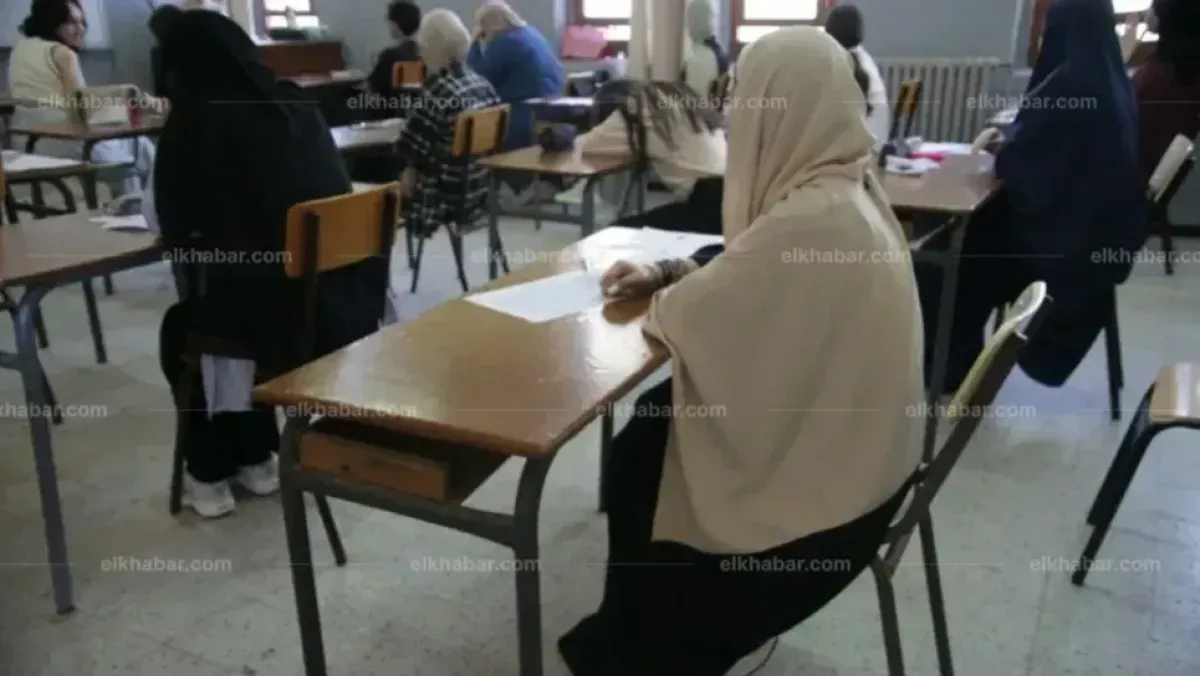
    Tomorrow, Sunday, hundreds of thousands of students are heading to take the baccalaureate exam, an exam that is crucial, to say the least. As the countdown begins and the promised day approaches, anxiety and tension increase among many candidates and their parents, especially since the baccalaureate degree is considered the most important certificate in Algerian society. In fact, for the vast majority of families, it is a source of pride, and failure in it is considered a source of frustration for the candidates and their families. To confront the situation, the candidate needs steps, procedures, and actions that will enable him to overcome the stress and make him enter the exam field confident of himself, relying on his abilities to achieve success.

    READ ALSO

    The start of the lottery for the distribution of time slots for candidates in the media (video)

    Algeria-Tunisia: A new submarine cable is under study

    Psychological preparation and mental preparedness are considered among the most important factors that help in success in the baccalaureate degree. We often heard about Nujaba’s students during the school year, but they did not obtain good results in the baccalaureate examination for one reason or another. However, the psychological reasons remain the most frequently mentioned due to haste, fear, and pressures that parents exert on their children to the point where symptoms appear on the students, including headaches, stomach pains, nausea, feelings of despair, poor concentration, poor memory, tension, and trembling. Muscles, all of this does not help success, and must be avoided and eliminated in order to pass the exam successfully.

    How to prepare for the exam and how to avoid the above?

    There are guidelines regarding practices that the candidate must adhere to and practice, some before the exam and others during the exam.

    Before the exam, the candidate must adhere to simple practices, but their impact is great, including:

    – Self-confidence and renewal of positive energies

    – Rest and adequate sleep

    – Balanced nutrition rich in calcium and phosphorus

    – Exercise and deep breathing

    – Avoid stimulants such as coffee, stimulants, and smoking

    – Visit the exam center before the appointment to learn about it

    – Do not study the day before the exam because this increases stress and anxiety

    What about the day of the exam?

    The candidate must rise early to avoid arriving late at the examination center

    – Ensure that all the tools the candidate needs are ready, including the summons and national ID card

    – Enter the examination hall before time

    – Breathe deeply (inhale and exhale) several times, as this relieves stress

    – Mentally focusing on beautiful thoughts, such as thinking, for example, about something beautiful that you want to achieve

    How should the candidate receive the question topics?

    – During the exam, there are things that the candidate must not forget, including:

    – Read the questions several times to facilitate the topic that the candidate can address

    – If you feel nervous while reading the questions, the person concerned should repeat the breathing exercise several times (inhaling and exhaling).

    -After you finish reading the questions and choosing the topic, you must arrange the questions from easy to difficult and proceed directly to answering the easy questions.

    You, the candidate, must do the following:

    – Do not rush or get confused if you see your colleagues starting to answer or finishing solving the questions

    – You should distribute time over the questions according to their degree of difficulty

    – You must answer all the questions and do not leave the blanks

    – You must avoid cheating or any attempt to cheat or contact your colleagues inside the exam hall

    – You must take advantage of all the time allocated for the test and avoid rushing to leave the hall. If you finish the answers before the end of the time, you must review the paper several times to make sure that you have answered all the questions.

    – Make sure to write your name, surname and registration number on the top of the paper and do not forget to sign in the space designated for that

    – Improve your handwriting and write in a clear and correct way to facilitate the correction process

    After you leave the hall, do not be busy talking about the previous test and the wrong answers, but rather think about the next test

    In conclusion, know that the exam is directly linked to the lessons offered in the department during the academic year, and it cannot be more difficult than the tests you took at your institution.. Regular preparation for the exam prepares you for success.

    How to analyze a test subject

    – Read and understand the bond

    Remember that understanding the question is half the answer, and sometimes it is the complete answer

    Use the draft

    – Start by answering the easy question, then the easiest, taking into account time, and do not be stubborn in analyzing the situation. If you are unable to answer, move to another situation, then return to the previous situation.

    – You should review the answers written on the scratch paper before transferring them to the test paper, so that you can discover possible errors and correct them

    Answer on the official paper

    – The answer must be according to the sequence of poses, and this enables you not to forget any pose

    – You must write clearly because you are writing for others

    Finally, we advise you to:

    – Do not leave before the end of the test time

    – Focus on answering the questions and do not worry about side matters happening in the hall or in the center

    If you feel stressed or anxious, take a short break, breathe well, relax a little, and then come back to continue answering the questions.

    Fraud: a felony punishable by up to 15 years in prison

    Candidates who are proven to have attempted to cheat in official exams face the penalty of exclusion from the exam for several years, which may extend beyond that for judicial follow-up and the matter being classified as a felony with a penalty of up to 15 years in prison and a fine of not less than 150 million.

    The instructions written on the summons of candidates for school exams indicate that a number of means and tools are prohibited in the exam halls, and warn those concerned that simply carrying them is considered an attempt to cheat, even if they are not used.

    After cheating for decades was carried out by bringing hidden papers, stickers, or brochures to be used in case the questions matched the content of these “means”, the phenomenon worsened and developed with technological development, as the process began to be carried out via mobile phones at an earlier time, where “cheaters” recorded lessons on them or photographed books and brochures, before it developed at a later time to use the phone to contact an external party to dictate questions and receive answers from him, before the pace accelerated. Cheating is taking place on the Internet and social media, to the point that the government was forced to take action to cut off the Internet for everyone during the baccalaureate exam, especially after the scandal of leaking questions for a number of subjects in the baccalaureate exam in the June 2016 session, which required the return of a large portion of the subjects in an emergency session, a process in which social media was used to publish topics hours before the start of the exams.

    The directives contained in the summons of candidates for official examinations indicate a number of prohibited items that the candidate must not bring into the examination hall, and even if he brings them, he is invited to deposit them in a place designated for this purpose within the procedure centers, and that bringing them into the examination hall is considered an attempt to cheat, resulting in the procedures that are applied to anyone caught in a case of cheating.

    Cheating does not consist of bringing prohibited tools, or using documents, books, etc. Rather, the candidate must avoid any contact with his colleagues throughout the test period, and even to ask for certain tools such as pens and others that are considered prohibited in the exam halls, as the candidate is required to bring the tools he needs with him.

    How is a case of fraud handled at the centre??

    When a case of cheating is proven, the guard professors arrest the candidate and notify the head of the center. The candidate is asked to sign a document called “Confessing to Cheating.” If he refuses to sign, the testimony of the guard teachers in the hall is sufficient to take legal action. In this case, the candidate is prevented from continuing the exam, and this is done in a strict and immediate manner, and the candidate is handed over directly to the security services present at the center level.

    The charge depends on the physical evidence, as the legal texts regulating the matter indicate the necessity of seizing the means of cheating, regardless of its type, whether papers, books, pamphlets, or any modern means of communication, such as mobile phones, SIM cards, Bluetooth devices, etc., where the head of the center demands that a report be written with the guard professors, and it is attached to the cheating device, which sends the report along with it to the collection center for omissions, which in turn sends it to the correction center, before it finally returns to the National Board of Examinations. And competitions.

    The Algerian legislator intervened to increase the penalty for violating the integrity of exams

    In light of the spread of the phenomenon of cheating in exams years ago, the Algerian legislator intervened to tighten the punishment for compromising the integrity of exams, as Law No. 20-06 of April 28, 2020 came to amend and supplement Order No. 66-156 of June 8, 1966, which included the Penal Code, where Articles 252 and 253 were amended, and Chapter Nine came under the title “Infringement.” Fairness in examinations and competitions.

    Article 253 bis 6 stipulates that “Anyone who publishes or leaks topics or answers to final examinations for primary, intermediate or secondary education, higher education competitions, vocational education and training, or national vocational competitions shall be punished with imprisonment from one year to three years and a fine from 100,000 to 300,000 dinars. The same penalty shall be imposed on anyone who takes the place of the candidate in the examinations.” And the competitions mentioned in the first paragraph of this article.

    Article 253 bis 7 raised the prison sentence to between 5 and 10 years, and the fine to between 500,000 dinars and 1,000,000 dinars if the acts stipulated in Article 253 bis 6 were committed by the persons charged with preparing, organizing, framing, or supervising exams and competitions, or by a group of people, or if they were using a system for automated data processing, or if It was using remote communication means.

    In Article 253 bis 8, the legislator increased the penalty to a maximum of 15 years in prison, and raised the fine to 150 million cents if the matter led to the total or partial cancellation of the exam or competition. Article 253 bis 10 deals with the possibility of expanding the penalties on perpetrators to deprive them of some rights, including dismissal or exclusion from all public positions and positions related to the crime.

    Article 253 bis 11 stipulates the confiscation of all devices, programs, and means used in the aforementioned crimes, and may extend to the confiscation of funds, the closure of websites and electronic accounts, and even the possibility of closing the stores used in committing these crimes.


    Source link

    Related Posts

    The start of the lottery for the distribution of time slots for candidates in the media (video)
    Algeria

    The start of the lottery for the distribution of time slots for candidates in the media (video)

    June 7, 2026
    Algeria-Tunisia: A new submarine cable is under study
    Algeria

    Algeria-Tunisia: A new submarine cable is under study

    June 7, 2026
    An exceptional plan to ensure continuity of energy supply during baccalaureate exams
    Algeria

    An exceptional plan to ensure continuity of energy supply during baccalaureate exams

    June 7, 2026
    Professional League.. Final standings for the 2025-2026 season
    Algeria

    Professional League.. Final standings for the 2025-2026 season

    June 7, 2026
    Algeria seeks to benefit from Greece’s experience in modern agriculture – Al-Shorouk Online
    Algeria

    Algeria seeks to benefit from Greece’s experience in modern agriculture – Al-Shorouk Online

    June 7, 2026
    A professional bloc issues a statement regarding the desecration of the national flag
    Algeria

    A professional bloc issues a statement regarding the desecration of the national flag

    June 7, 2026
    Next Post
    First favorite reliably over the first hurdle

    First favorite reliably over the first hurdle

    POPULAR NEWS

    Energy Minister calls Jamaica electricity blackout ‘unacceptable’; orders probe | News

    Energy Minister calls Jamaica electricity blackout ‘unacceptable’; orders probe | News

    June 6, 2026
    Russia sees no progress on settlement in Ukraine since Anchorage — Lavrov – Russian Politics & Diplomacy

    Russia sees no progress on settlement in Ukraine since Anchorage — Lavrov – Russian Politics & Diplomacy

    June 7, 2026
    What has changed for migrants in Russian legislation since June 1?

    What has changed for migrants in Russian legislation since June 1?

    June 7, 2026
    Nikitin brings back NeAngela and NikitA

    Nikitin brings back NeAngela and NikitA

    June 7, 2026
    The body of a young man who drowned in Pop was found after 8 days of searching

    The body of a young man who drowned in Pop was found after 8 days of searching

    June 7, 2026

    EDITOR'S PICK

    The Yemeni government accuses the Houthis of involvement in the assassination of a prominent official – Saudi News

    The Yemeni government accuses the Houthis of involvement in the assassination of a prominent official – Saudi News

    June 6, 2026
    The goal is to convert money (is it?) – people are suffering from the Samarkand “work abroad” scheme

    The goal is to convert money (is it?) – people are suffering from the Samarkand “work abroad” scheme

    June 6, 2026
    A Malayali at the World Cup? Kerala has every reason to cheer for Tahsin Mohammed Jamshid

    A Malayali at the World Cup? Kerala has every reason to cheer for Tahsin Mohammed Jamshid

    June 6, 2026

    Four Great Classical Novels of China

    June 7, 2026

    Recent Posts

    • Russia sees no progress on settlement in Ukraine since Anchorage — Lavrov – Russian Politics & Diplomacy
    • What has changed for migrants in Russian legislation since June 1?
    • Nikitin brings back NeAngela and NikitA
    • The body of a young man who drowned in Pop was found after 8 days of searching

      © 2026 Agentially - Navigating shifting sovereignties and global risk .

      Welcome Back!

      Login to your account below

      Forgotten Password?

      Retrieve your password

      Please enter your username or email address to reset your password.

      Log In
      No Result
      View All Result

        © 2026 Agentially - Navigating shifting sovereignties and global risk .

        This website uses cookies. By continuing to use this website you are giving consent to cookies being used. Visit our Privacy and Cookie Policy.