At the University of Pristina, the project that was intended to electronically record the participation of professors, assistants and students in lectures and exercises has failed in the pilot phase. UP denied this, but visits to faculties and the application that students have installed prove otherwise
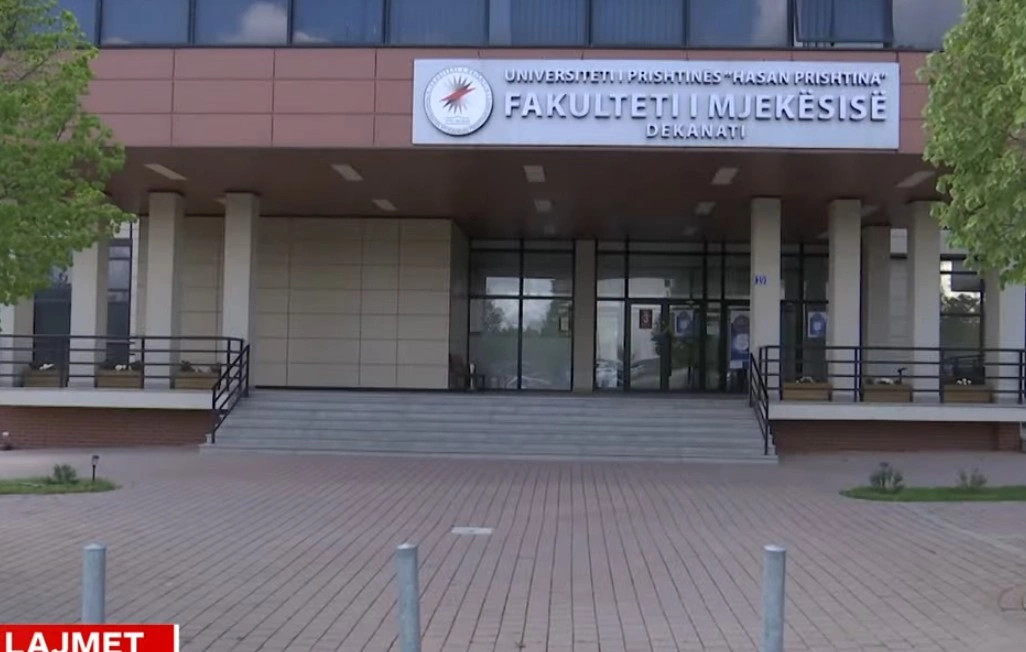
The project that was intended to keep evidence for the participation of staff and students in the study process has failed to be implemented in the Faculty of Medicine.
In front of the doors of the amphitheatres and halls, signs with QR codes have been placed, which before entering the lectures or exercises had to be scanned by professors, assistants and students, through the SEMS application installed on their mobile phones. But some signs are already gone.
The students say they boycotted the project, on the grounds that many spaces lack internet access.
“Now we don’t have it, we sign on the lists. We did them, but then when we saw that we have to use 3G to have the offer every time, we showed it to the professors and boycotted it,” said a student
Unlike the students, in the rectorate of UP they say that the system works.
“The registration system with QR codes, launched in 2024 as a pilot project at the Faculty of Medicine and further expanded to other academic units, is functional and to work with it, users must have internet and phones that can connect to the internet. It has not been put into full operation due to some spaces not covered by the internet, mainly on the ground floors”, says the response of the UP Rectorate.
However, the Rectorate is denied by the notification that appears in the SEMS application, in the section to scan the QR code. There appears the message that the module is being updated.
Neither the company implementing the project nor the Faculty of Medicine have responded regarding the failure in the process of identifying participants in lectures and exercises.
And, the Rectors have denied the financial implications for this project.
“The project of recording the attendance and keeping of lessons by means of QR codes did not have additional financial costs for the University of Prishtina. The project was implemented by the company ‘UniSoft’, which maintains and develops the Electronic Student Management System (SEMS), within the current contract”, says the response of the Rectorate.
In the Faculty of Medicine, professors have recently expressed complaints about the small number of students who participate in lectures and exercises.