The shock that the first presidential round produced was seismic. There was no political preconception that was not questioned. The message to the Government of Gustavo Petro was clear: his shameless intervention in the campaign cost candidate Iván Cepeda dearly. Similarly, the former sovereign-maker, Álvaro Uribe Vélez, saw how the right abandoned his party’s candidate, Paloma Valencia, to support a new right that has positioned itself as independent. Abelardo de la Espriella, until a few months ago unknown to most Colombians, today has every chance of being the next president of Colombia, while Senator Iván Cepeda obtained a historic vote that still feels like a defeat for the left. The political center, which opted for moderation, verified its irrelevance at the polls and is licking its wounds today.
Senator Cepeda ran a campaign that even aspired to win in the first round. The Historic Pact, emboldened by its outstanding results in the Congressional elections and the rise in popularity of President Gustavo Petro, carried out a campaign aimed almost exclusively at its bases. The non-attendance at debates, the barely concealed intervention of the House of Nariño in favor of the senator and the attitude of its political leaders spoke with arrogance of an overwhelming result. Curiously, they misread the country. They did not realize that their base was enthusiastic, but that there is a high percentage of the country, today close to the majority, that resents the way in which the president has done politics these four years. Despite a fragmented opposition without visible faces, the polls were clear in slapping the Petro administration and a Cepeda campaign that made no efforts to enlarge the tent. They felt like winners and today they are on the ropes.
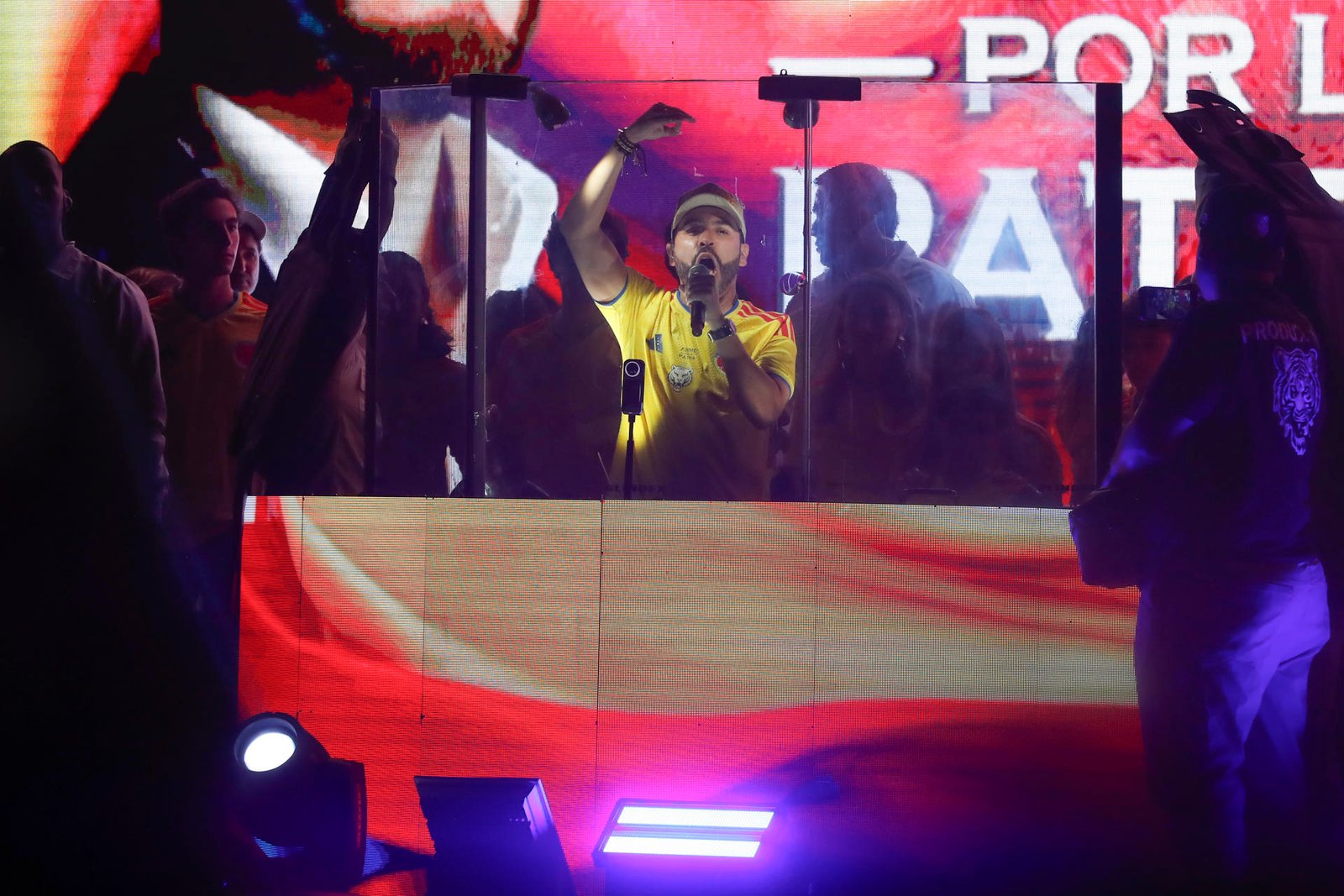
On the other hand, the right abandoned Senator Valencia and Uribism. Given the division with Abelardo de la Espriella, the senator’s campaign opted for a strategy for the “useful vote” against Senator Cepeda. And indeed there was a “useful vote”, but in favor of the lawyer. With a speech that echoes a mix of Nayib Bukele, Javier Milei and Donald Trump, De la Espriella has convinced millions of Colombians. He positioned himself as someone outside traditional politics, a person with no interests other than “straightening the course.” In a country where security is one of the main concerns, the rejection of President Petro and the promises of a tough line had a deep impact. De la Espriella’s vote, also historic, repeats what happened in other countries where emotionality took precedence over concrete proposals.
Colombia is, then, polarized. We saw it coming years ago. Both candidates owe serious debts to the electorate before the second round. Could it be that now, finally, we will have a debate in which their visions about the future of the country are contrasted? And will they tell us in more detail how they intend to land the gaseous proposals that propelled them to such large votes? Both must recognize that the election was close and will continue to be so. It is not the time then to continue fueling the extremes, but to show that they may be capable of guiding, from their visions, a country where we all fit. How will they speak to those more moderate voters? How will they calm things down? Is it possible? Or are we condemned to a spiteful vote, to rhetorical hostility?
There remain, however, reasons for pride. The participation of Colombians was massive. At the close of this edition we do not have a final figure, but it is clear that more and more differences of opinion are finding catharsis at the polls. As it should be. Our democracy shows signs of maturity, even if it is not immune to the typical diseases that have taken their toll on other countries. We must continue defending it.
*This article was originally published in The Spectator.