Once again it must be said: like the six previous prisoners, Brooklyn Rivera did not “died”; He was murdered by the hand of a criminal regime that did everything to kill him. His death was not a fortuitous event, as happens to someone who was in the wrong place at the wrong time. Nor was it sudden, like someone who has a heart attack or suffers a massive stroke. Nor was it the product of the fatal outcome of a long illness. No, Rivera’s death was the result of having been subjected to inhuman prison conditions, deprivation and torture that led him to a state of physical deterioration (we do not know if it is also mental), equal to that suffered by people locked up in Nazi extermination camps, such as Auschwitz.
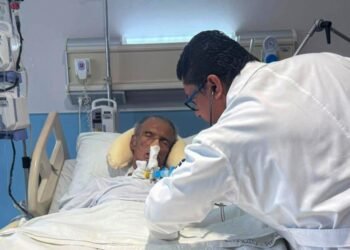
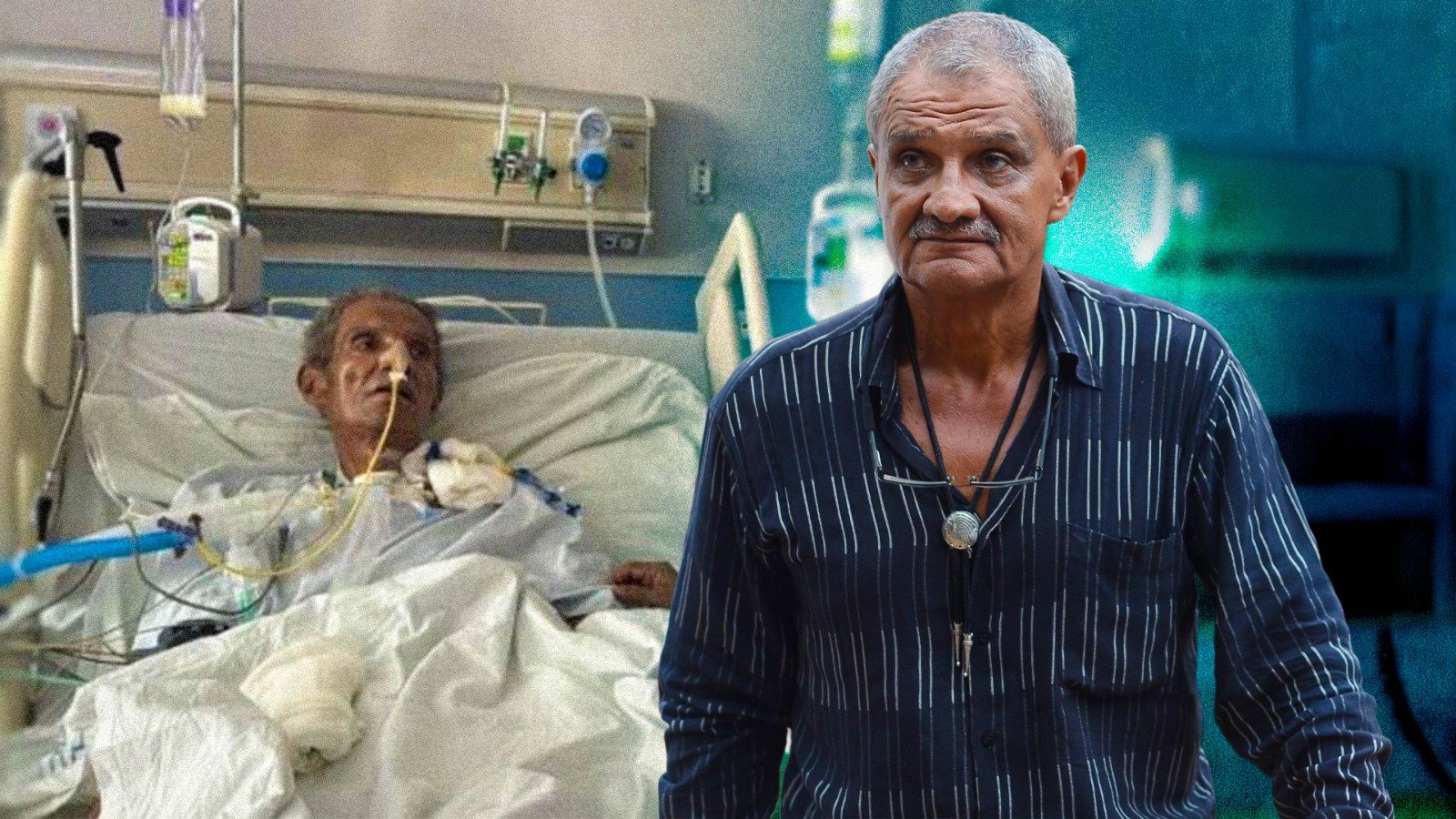
There are no normal people whose hearts have not shrunk when they see the photographs of the Miskito leader reduced to rubble. It is impossible not to associate the images of the dying man with those of the living dead rescued from the Nazi concentration camps: the skin of the face stuck to the skull like a mask, the lifeless expression of the wild eyes and the mouth half open as if trying to catch the last grams of air. Everything made me think of the scenes repeated a thousand times of those people who looked at the camera when they were rescued with a mixture of stupor and horror, as if the horror contained in the bodies did not give permission to shows of joy.
Those photos left scars in the form of values in the conscience of humanity, setting the red lines of the Anymore. These are the same values that were turned upside down by the horrors of the wars that followed and by the most recent genocide against the Palestinian people. For this reason, ladies and gentlemen readers, you felt a visceral rejection of Brooklyn Rivera’s images of human dispossession. It was not a rational reaction; It was instinctive because it appealed to something as inherent to life as human dignity, to the minimum moral codes that run through all religious and political ideologies that have the human being at the center of their postulates. Except for psychopaths.
Because you have to be psychopaths, and moreover cynical, to act the way the dictatorship has done in the case of Brooklyn, without caring about the evil they were causing. If a graph were made of evil as a logic of government, point zero would be the refusal to allow their return to Nicaragua. From then on, he applied an incremental strategy at increasingly higher levels of violence: capture by henchmen disguised as medical personnel and transportation by ambulance to avoid protests by the Miskito population; then the forced disappearance in torture centers in inhumane conditions and at the mercy of their captors for 971 days.
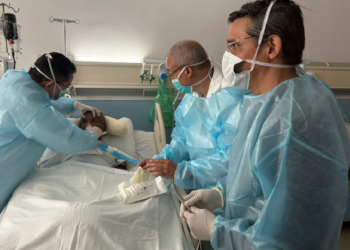
In this period of almost three years, the first statement from the dictatorship revealed that he was hospitalized on two occasions but on neither of them was his family informed and, even less so, was he granted house arrest, or given its severity, his release for humanitarian reasons. Because? Why didn’t a person who was missing, without formal accusation or trial involved, deserve to return home and spend his last days with his family? The next section of the map of cruelty were the photos of the prisoner in a cadaverous state, blowing up the patient’s right to privacy and dignity. Who could it have been him or the soulless person who had the “brilliant idea” of publishing the photos and the statement? Instead of the proof of life that the relatives requested from the moment of their capture, the dictatorship gave proof of death three days before officially recognizing it on May 30. Once again a mother’s day covered in mourning.
As the culmination of the map, the second statement from the dictatorship recognizing the death of Brooklyn, calling the murdered man “brother” and offering prayers for his “transition to the Other Plane of Life” (Sic), and for greater derision, a burial far from his land of origin led by his political executioners. This statement is an ode to cynicism, typical of a person with serious cognitive problems who seeks to erase his past actions (even recent ones) with statements of pseudo-mourning, as if another person had subjected Rivera to torture. Does anyone imagine Putin commiserating over Navalny’s prison murder, or Trump commiserating over those murdered by ICE? But the Ortega Murillos live in permanent delirium, they kill and go to the funeral.
When the intellectual and material authors of this and other Ortega crimes are tried, the photos, statements and speeches of the co-dictators will be self-incriminating evidence, in the same way that in the Nuremberg trials the laws and speeches of the Nazi leaders were provided, to prove their intentions to perpetrate the collective extermination of Jews, gypsies, communists and homosexuals, among others.
It must be said loud and clear, the Miskito leader – the Ta upla, his people call him – did not find death by chance, like the character in Death in Samarra. Brooklyn was murdered following a methodical plan of confinement, torture and deprivation that destroyed him (“they ate him,” according to a Miskito leader) until he became the agonizing remains that we saw on May 27, as if he had just left Auschwitz.
One more crime on the account of the Ortega Murillo dictatorship, a crime with a message included for potential allies who still believe that you can live together and do business with despots; for the accomplices who believe they can progress by growing the crumbs of power; and very particularly, for those who have been tempted to guarantee impunity to dictators in exchange for elections and quotas of power that open the transition to the new Nicaragua.