The European Parliament adopted a new decision that could significantly change the used car market.
Although there have been headlines that vehicles declared a total loss will be banned from further sale, the reality is somewhat more complex.
The key change is the introduction of a clear distinction between technical and economic total damage.
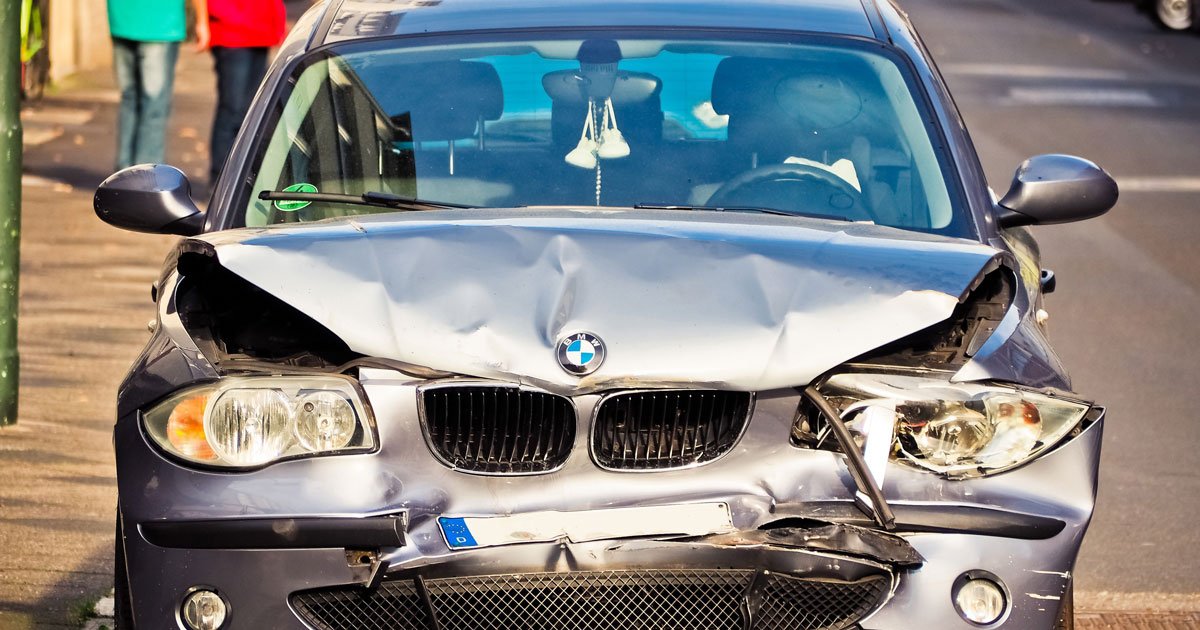
Cars that are so damaged after an accident, fire or flood that they can no longer be safely repaired will be classified as end-of-life vehicles.
Such cars will no longer be able to be registered or sold as used vehicles, but will have to end up in recycling or at authorized dismantlers.
On the other hand, vehicles declared an economic total loss will not automatically disappear from the market.
These are cars whose repair is more expensive than their market value, but which can still be technically restored to working order. Their sale will still be possible, but with appropriate documentation confirming that they are safe to use.
An end to “washing” heavy accidents?
One of the main goals of the new regulations is to prevent severely damaged cars from being put back on the road after superficial repairs or exported to other countries as allegedly correct vehicles.
For years, the practice was for a car after a serious accident to be declared a total loss in one country, then repaired and resold in another market without a clear insight into the extent of previous damage. The European Union now wants to close precisely such loopholes in the system.
Particularly significant is the provision according to which vehicles that have been declared permanently unusable will no longer be able to be exported and sold as functional used cars.
Greater protection for used car buyers, but when
For used car buyers, the new rules should mean greater transparency and a lower risk of buying a vehicle that hides a serious breakdown, fire or flood.
This does not mean that cars with an economic total loss will disappear from the market. However, sellers will have to prove that such vehicles are safe for traffic after repair, while cars with irreparable damage will definitely end up in recycling.
This means that, for example, a car declared a total loss in Germany will no longer be able to be sold in BiH as a valid used vehicle. However, only five years after the adoption of the decision, the export of vehicles that are not capable of safe participation in traffic will be prohibited.
If the decision receives final approval from the Council of the European Union, most of the new rules should enter into force after a transition period of two years.
As a result, the European used car market could face one of the biggest changes in recent decades, reports Klix.ba.