Let us return again to Hegel’s well-known phrase that Marx expropriated at the beginning of The 18th Brumaire of Louis Bonaparte (1852) to confirm that the desired new Cold War of the Latin American left has only taken place as a farce. With the authorization of Russian ships to disembark in Havana, by the United States, the two great powers make explicit their understanding for Washington to maintain control of the island.
Since the first days of January 2026, it has been expected that one of the several rival powers of the United States (Russia, China, Iran or North Korea) will rebel against the renewed dominance that, in practice, the United States is exercising over the Greater Caribbean. Venezuela and Cuba are key pieces of this domain, but not the only ones: we would only have to think about Panama, Haiti, Puerto Rico or the Dominican Republic and their new agendas within Caricom.
But the rebellion of the great or medium powers, Mexico included, has not taken place. The Delcy Rodríguez government transferred control of Venezuelan hydrocarbons to the United States. A transfer of sovereignty like never before had occurred in that Caribbean country since the times of oil nationalism after the Punto Fijo Pact of 1958, promoted by Rómulo Betancourt and Rafael Caldera, which put an end to the dictatorship of Marcos Pérez Jiménez.
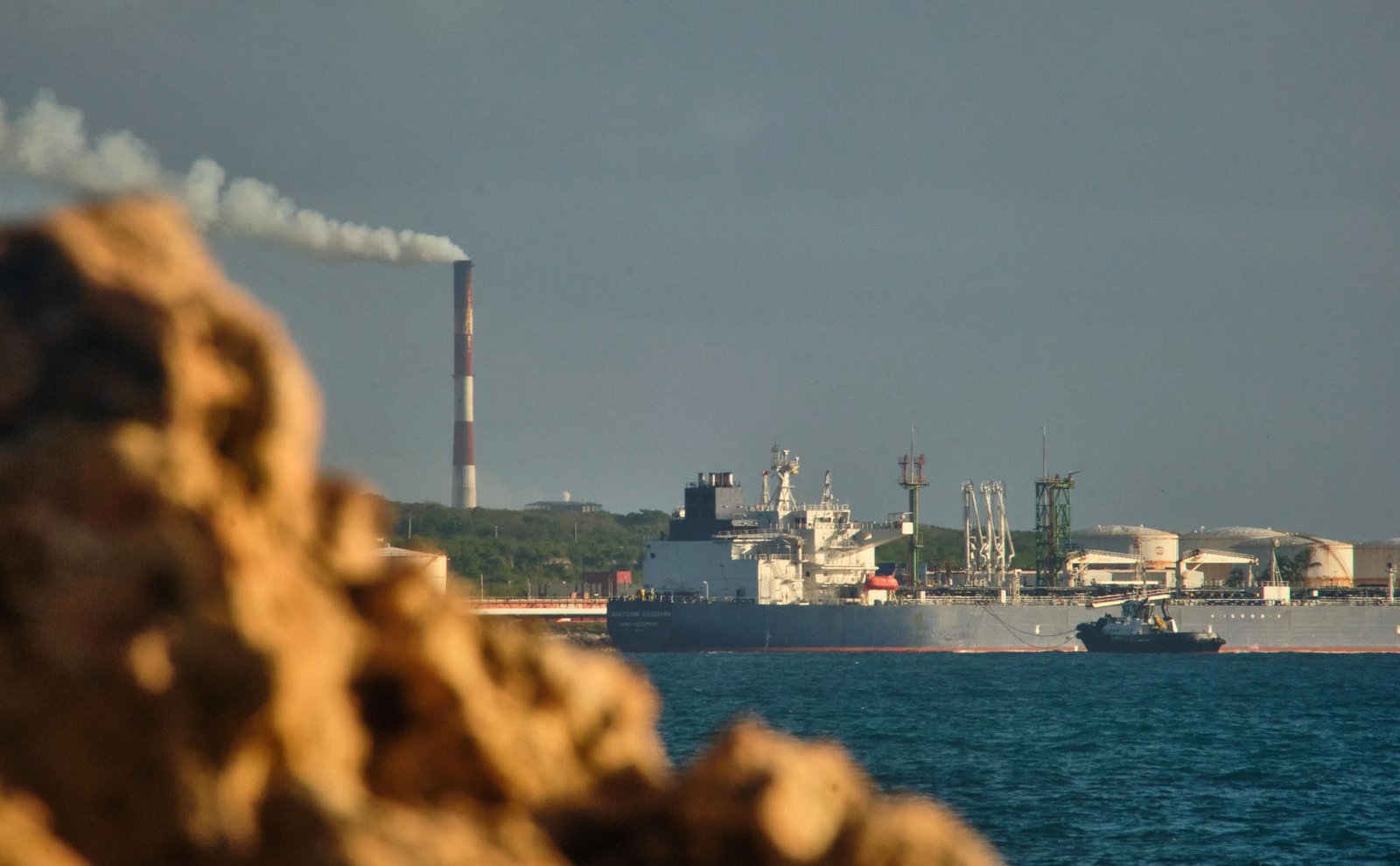
Cuba is also under the rule of the United States, although its leaders and international allies claim otherwise. No one, so far, has violated the executive order of January 29, 2026, which places the island under a United States energy quarantine. The Russian ship Anatoly Kolodyn, with more than 730 thousand barrels of fuel, arrived in Matanzas, authorized by the Trump government.
The action, which allowed the country to be partially supplied for four days – Cuba needs 140,000 a day to function – joins other efforts by the Trump administration to extend oil supplies, especially Venezuelan crude oil, through private entities. So the United States rations and at the same time supplies fuel to Cuba, with the purpose of forcing its leaders to agree.
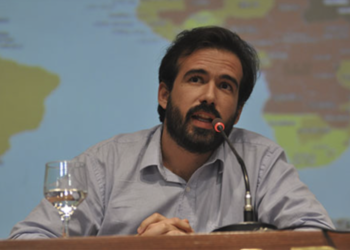
The historian Alejandro de la Fuente, professor at Harvard University, in a recent conversation with the newspaper El País, assures that ineptitude and intolerance have led the Cuban leadership to this point of humiliation. At this time, Cuba is no longer a sovereign country but a dependent and impoverished colony of the United States.
Washington authorizes the supply of Russian oil, not as an act of magnanimity but to avoid a humanitarian catastrophe off its coasts. The only way out is a negotiation that opens the Cuban economy and frees the island’s society, with the purpose of making it less dependent on the United States and its rivals. The farce of the Cold War should come to an end so that Cuba, for the first time in seven decades, can govern itself.
*This article was originally published in The reason.