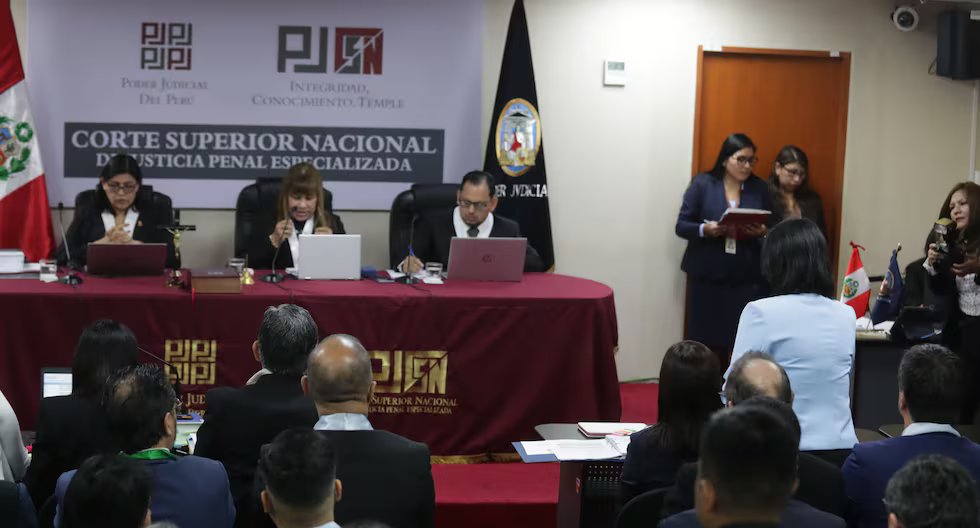

The definitive filing of the ‘Cocktails’ Case by the Judiciary marks the closing of one of the longest, most high-profile and controversial judicial and political processes in the recent history of Peru. Beyond the obvious politicization of the process, there is a question that as a society we should ask ourselves: who repairs the damage caused when an investigation that lasts years ends without a conviction?
READ ALSO
The definitive filing of the ‘Cocktails’ Case by the Judiciary marks the closing of one of the longest, most high-profile and controversial judicial and political processes in the recent history of Peru. Beyond the obvious politicization of the process, there is a question that as a society we should ask ourselves: who repairs the damage caused when an investigation that lasts years ends without a conviction?
Justice has the obligation to investigate when there is reasonable evidence of a crime. But it also has the duty to protect the fundamental rights of those investigated. When a process lasts for almost a decade, with preventive detention, restrictions, property damage, permanent media exposure of those involved, and early social condemnation, the human cost can be immense. Reputation, honor and peace of mind are not minor goods. They are an essential part of a person’s dignity. A public accusation can destroy careers, affect families, distance friendships and close opportunities that will never return. Even when the process concludes favorably for the investigated party, the time lost and the wear and tear suffered cannot be fully recovered.
Therefore, the debate on this issue should not focus solely on whether the case was finally closed or on who obtained a political victory from this ordeal. The real reflection should be to understand whether our justice system is being able to investigate effectively, while respecting due process, reasonable deadlines and the presumption of innocence. When the investigation becomes a trap of premeditated sanction, the line between justice and anticipated punishment begins to bend.
Financial compensation, when appropriate, can alleviate some of the material harm. However, there is no compensation that can restore years of uncertainty, family anguish or emotional exhaustion. Nor is there sufficient reparation to completely erase the stigma left by an unjust public accusation, repeated for years.
The Cocktails Case leaves a lesson that transcends its protagonists. In a country like ours, no one should be above the law. But no one should be punished in advance either. Justice must be firm, but also timely, balanced and respectful of the rights of all.
Finally, just as no one should be above the law, those who administer “justice” should not be exempt from responsibility. When an investigation is prolonged unnecessarily and unfairly in time or deviates from its legal purpose for clearly political motivations, it is appropriate to demand accountability from those who, with their actions, caused personal and social damage that will ultimately never be resolved.