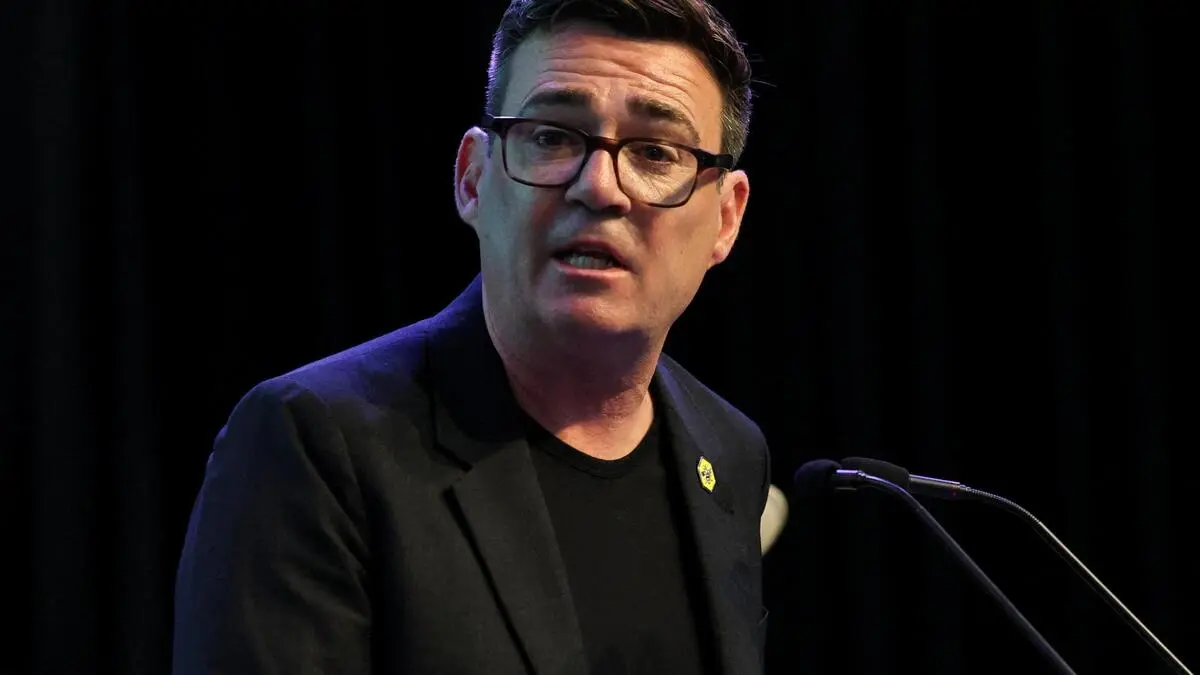
Makerfield constituency. Andy Burnham’s plan to move to 10 Downing Street materialized here, in the north west of England. The Labor politician not only won the by-election for the parliamentary seat here in June, but also put the right-wing populist Reform UK, which is otherwise strong in the polls, in its place. His victory, Burnham said in Makerfield, was not only “the final chance for change,” but nothing less than a turning point for the country. At this point, not only the Labor Party but also the entire country knew: Burnham wanted to replace his party colleague and Prime Minister Keir Starmer.
The fact that the Makerfield constituency parliamentary seat became vacant in the first place is due to the strategic resignation of Burnham ally Josh Simons.
After Starmer’s resignation on Monday, Burnham is considered the permanent starter to succeed him. The election process is scheduled to start in July, but other party colleagues can also be nominated – one name is Wes Streeting, who recently left Starmer’s cabinet as Health Minister. If Burnham remains the only candidate, he could move into Downing Street as early as July. A sudden acceleration for Burnham, who has run unsuccessfully for party leadership twice, in 2010 and 2015.
Andrew Murray Burnham has had a classic political career – including when he joined the Labor Party. This happened during the year-long miners’ strike in the mid-1980s. Burnham was only 14 years old at the time. He studied English at Cambridge, initially worked as a journalist, and was later elected to the British House of Commons. In Prime Minister Gordon Brown’s cabinet, he was, among other things, Health Minister. In 2017 Burnham won the Greater Manchester mayoral election. During his two terms in office, the city continued its economic boom. With this balance, the 56-year-old Burnham should now advertise himself.
“Manchesterim” is the motto of the father of three and Catholic. An “ambitious plan,” as the Guardian writes, to reverse four decades of privatization. The accompanying paper (“The Productive State”) focuses on the state as owner and investor. The aim is to make life in Great Britain more affordable, with clean water, cheap rents, reliable public transport and investments in infrastructure. This should not happen with a sudden and comprehensive nationalization, but rather gradually affect the areas of basic services – such as energy and water.
Burnham, who, in contrast to Starmer, is more center-left in the party, can already count on the support of between 200 and 300 Labor MPs (out of more than 400 in the House of Commons). He is seen among the base as approachable, more charismatic than Starmer and already has a title given by the netizens: “The King of the North”. (duo)