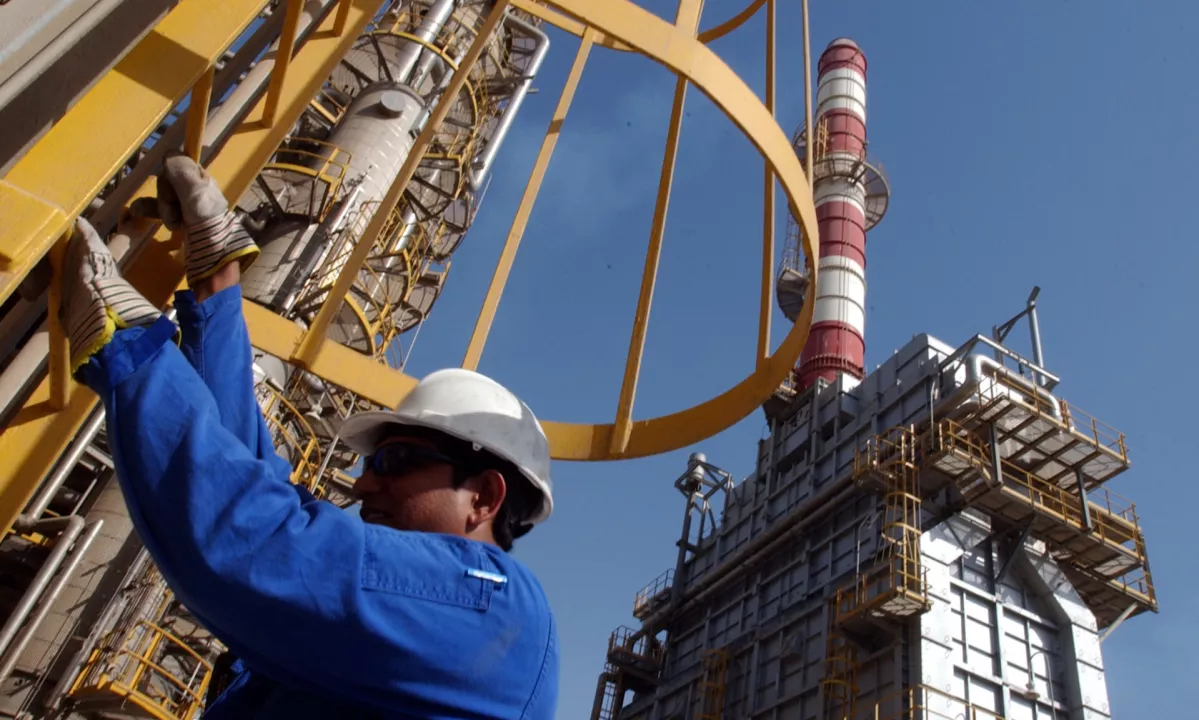
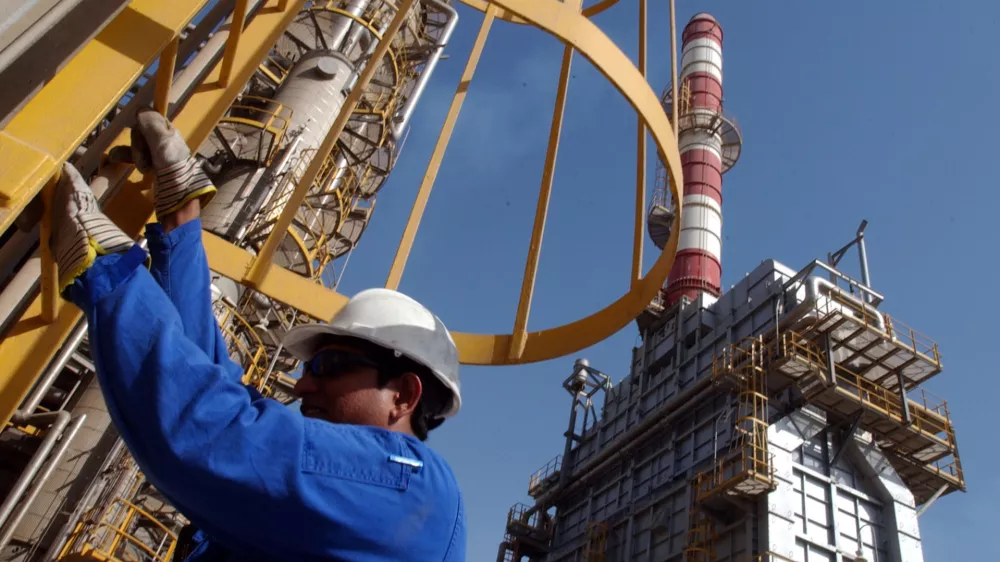
Europe quickly adapted to the crisis by increasing imports from the US and other producers, increasing domestic production and accelerating the development of renewable resources. Photo: AP
The apparent calm before the storm: is the European energy market really safe?
European energy markets have remained unexpectedly calm since the start of the Iran war. Meanwhile, analysts warn that this stability can be deceptive and that a strong shock could follow.
Despite the geopolitical turmoil in oil, gas and refined products – especially jet fuel – prices in Europe remained relatively calm. Governments and EU institutions insist that the supply is secure. This sounds strange if we believe analysts who warn that the global energy system is under the greatest pressure in decades.
Part of European energy stability is real, reports Politico. Europe quickly adapted with greater imports from the US and other producers, increased domestic production and accelerated development of renewable resources. But experts point out that these adjustments do not change the underlying vulnerability: much of the world’s energy flows still pass through routes such as the Strait of Hormuz, where disruptions can quickly tighten market conditions.
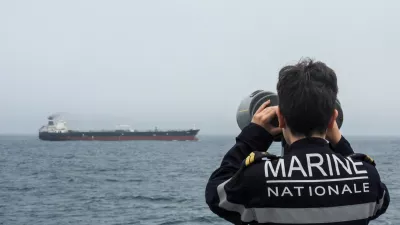
Despite fears, oil prices remained below the worst forecasts. Also due to greater supply outside the Gulf and the release of strategic reserves. With these limited and dwindling, Oxford Economics warns that if the Strait of Hormuz remains closed until the end of the summer, OECD countries’ stocks could reach critical levels by September. This, in turn, could push oil prices above $150 a barrel.
Aviation fuel and again aviation fuel
Aviation fuel is the biggest concern in Europe. Although earlier forecasts from the International Energy Agency pointed to a possible shortage, Europe has for now avoided disruption with sharply increased imports from the US, higher refinery output and restored capacity in Nigeria. Nevertheless, the European Commission admits that the market is “increasingly convulsed”.
Demand remains a key factor. Air traffic has remained high and analysts estimate that demand, equivalent to more than 50,000 barrels per day in the EU and Britain, would need to be curbed by September to avoid serious problems. Politico also reports that behind the scenes, European officials are calling for a coordinated reduction in demand among member states to prevent shortages.
Already, some airports – particularly in tourism-dependent regions of Italy – have reported local fuel shortages, although the full stock picture remains unclear.
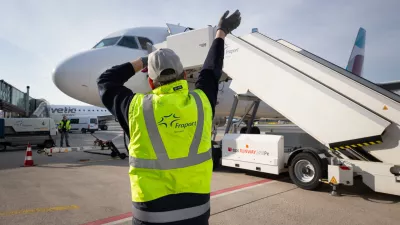
Officials are also concerned about a new U.S. military escalation against Iran that would divert jet fuel supplies. Potential U.S. export restrictions amid spikes in domestic prices during the peak tourist season and sudden increased demand for flights due to major sporting events are also a threat. Some EU officials also fear that airlines could raise prices or reduce the number of flights while publicly continuing to provide stability.
The currents are already changing
Industry sources, meanwhile, warn that global flows are already changing: Energy is being diverted from producers west of Suez to Asian markets, reversing historic trading patterns. Some analysts believe that Europe may not experience shortages, but rather higher prices. To a lesser extent, it will be carried away by poorer regions, where shortages are a very possible scenario.
A similar pattern exists in the liquefied natural gas (LNG) market. Although LNG represents an important part of Europe’s energy mix, the EU’s exposure to disruptions in the Gulf is partly mitigated by strong supplies from the US. However, some countries such as Italy and Belgium have already felt past disruptions at Qatari facilities.
European gas prices (TTF) remained below 50 euros per MWh, which is much lower than the records after the Russian invasion of Ukraine. However, traders warn that this does not reflect confidence in a stable supply, but caution and limits on trading risk.
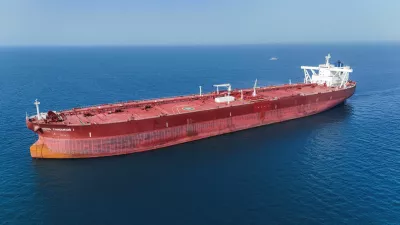
The situation could change quickly if supply was tightened further. Asian buyers – especially China and other LNG importers, which are directly exposed to the consequences of the closure of the Strait of Hormuz – are increasingly competing for shipments. At the same time, this reduces the quantities available to Europe. In contrast to Asia, Europe makes less use of long-term contracts, especially with American suppliers. As a result, it is additionally exposed to price volatility.
The danger of panic before winter
Gas storage is also a risk. High prices and uncertainty have reduced incentives for summer stockpiling, raising the possibility of panic buying ahead of winter. Although the U.S. has greatly increased LNG production, industry representatives warn that it is almost at capacity and that no major growth in production is expected until 2030.
Analysts therefore warn that the current situation in Europe may not even reflect resilience, but rather a temporary balance. This could collapse if demand remains high and geopolitical risks persist.