Photo: Tomaž Skala
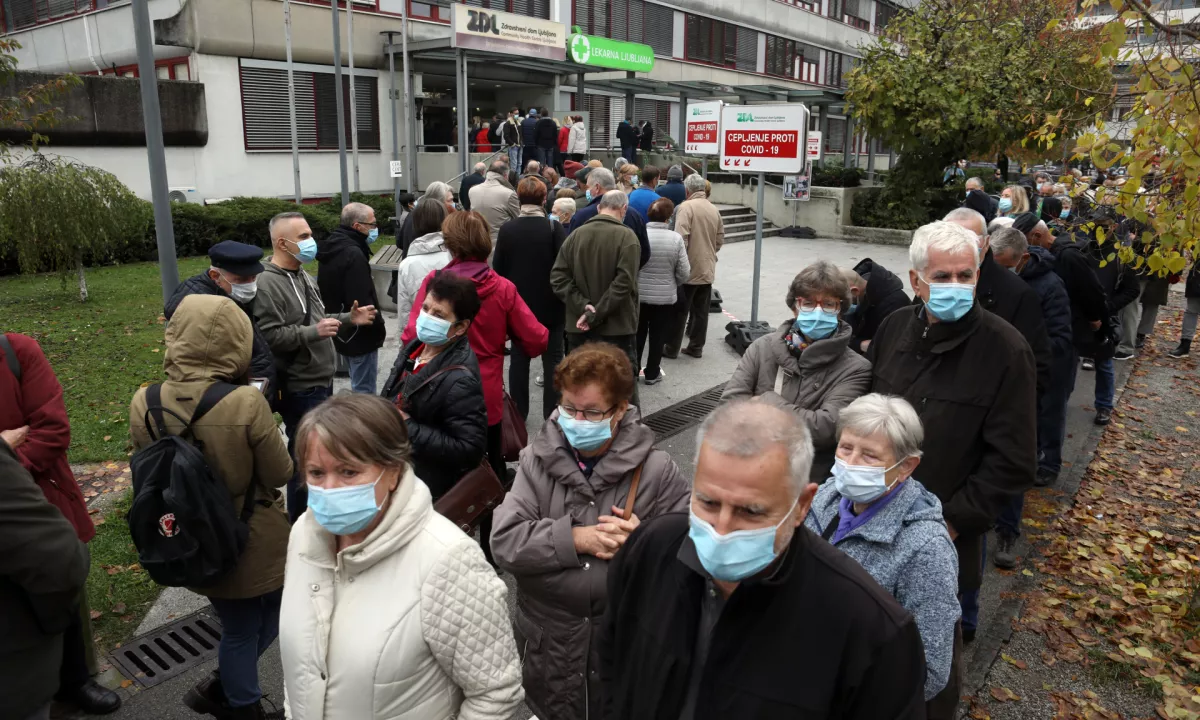
Lessons from which we learn poorly: Is Slovenia ready for the next health threat?
Hantavirus andesense (Andean virus) and Ebola remain far away, but the possibility of infection in Slovenia is not completely excluded. The covid-19 pandemic exposed the shortcomings of the local healthcare system, which have still not been fully remedied. At the same time, the attitude of the new authorities towards infectious diseases is not yet clear.
Although it is no longer among the most exposed news, the outbreak on the passenger cruise ship Hondius is still under the scrutiny of the international profession. The Andean virus can be transmitted between people, but it is quite limited, as can be seen from observing the current outbreak. Historical data also show this, the World Health Organization (WHO) pointed out.
After May 13, the Andean virus was confirmed in three patients – one in Canada, another in the Netherlands and the third in Spain. In the case of a patient from the United States, where the situation was not clear, on the other hand, it turned out that he was not actually ill, the WHO announced last week. By May 27, 13 people fell ill, three of them died. Due to the long incubation period, it is necessary to wait six weeks from the last contacts of the sick with other people, they explained.
What are the options?
The Andean virus, which causes hantavirus pulmonary syndrome, was practically unknown to the general public until this year’s events. It is different with Ebola, which has long left devastation in its wake in periodic outbreaks. According to the announcements from the beginning of the week, the current outbreak has already claimed around 250 lives. Reports of successful recovery raise hope, which the WHO is also aware of. “You are living witnesses that this outbreak can be stopped,” four nurses who survived Ebola, according to the British BBC addressed by WHO Director General dr. Tedros Adhanom Ghebreyesus. Ebola is deadly, but it is also not considered a likely cause of any future pandemics.
The article is accessible only to subscribers
The article is accessible only to subscribers