Filmmakers must stay out of politics – said the legendary director Wim Wenders as president of the jury at the 2026 Berlinale when asked about the war in Gaza. Wenders’ statement caused controversy and reactions from the film industry. Perhaps that is why the Golden Bear at the Berlinale was ultimately won by the politicized drama “Yellow Letters” (“Gelbe Briefe”https://slobodnadalmacija.hr/”Yellow Letters”), which says that filmmakers should not and should not stay out of politics.
German director of Turkish origin İlker Çatak He did not shy away from politics in his previous film either – the excellent, Oscar-nominated “The Law of the Chamber”. That movie, “The Teacher’s Lounge,” followed a school teacher who experiences political pressures while trying to do the right thing for the student(s). Çatak skilfully ignited slow-burning tensions in such a way that his drama bordered on a thriller, but also produced an impressive psychological-dramatic study of the main female character, along the way politically criticizing the school system, i.e. institutions.
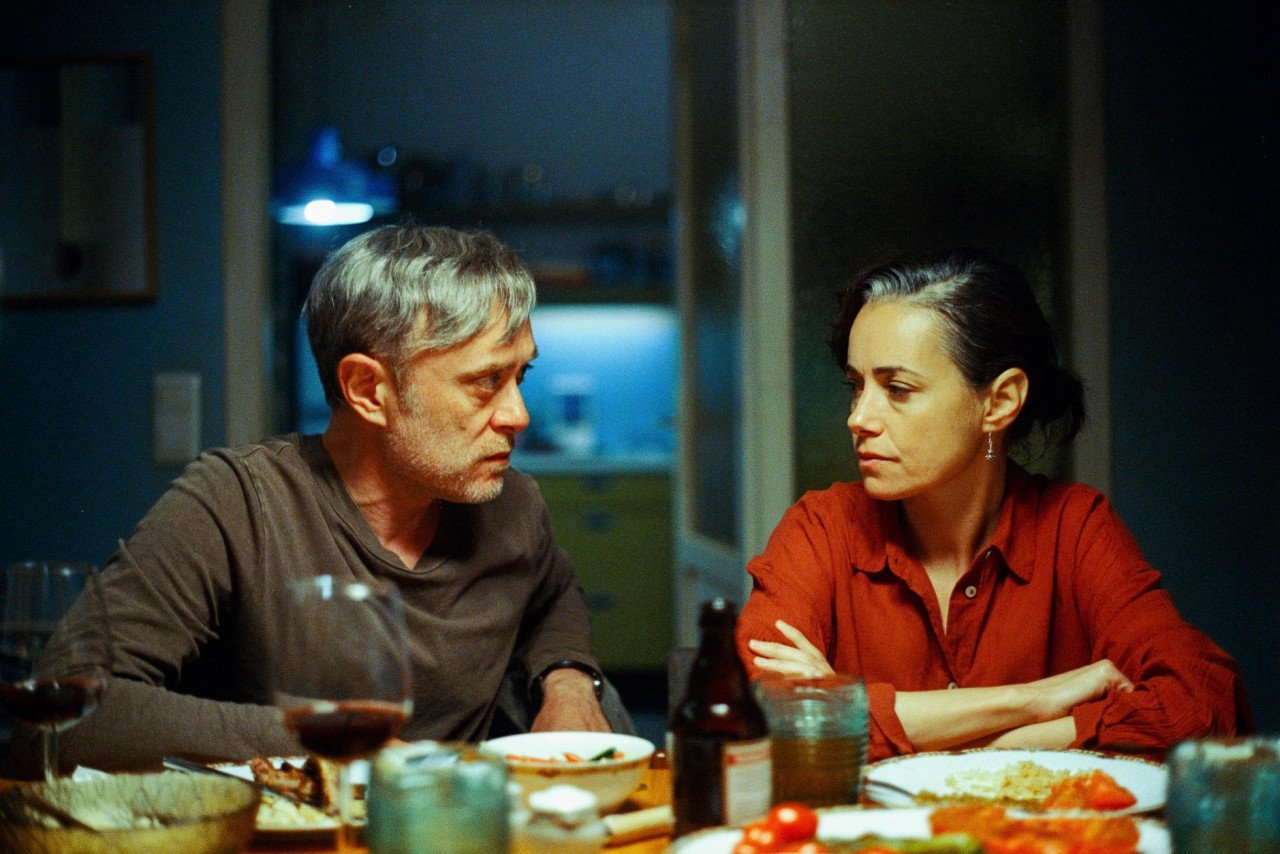
Çatak does something similar in the film “Yellow Letters”, which had its Croatian premiere at the 19th FMFS. This time the main character is an actress who finds herself in the crosshairs of the state apparatus, as well as her playwright husband. Derya (impressive Özgü Namal) and Aziz (solid Tansu Biçer) have a strong marital and business relationship, which the director and actors develop in a short time. In addition to being spouses, Derya acts in Aziz’s theater plays.
“I’m just saying the sentences your dad writes,” she jokes with teenage daughter Ezgi (Leyla Smyrna Cabas). Ezgi would watch their shows if they lasted an hour, which is enough time because “you’re not saving the world”, but Derya doesn’t agree with that. Art saves the world, or at least prevents everything from going to hell. The film introduces the characters during the finale of the play and then slowly introduces politics into the story through social unrest in Turkey under the right-wing government.
The protests of students on the streets against the government are reminiscent of those in Belgrade, so instead of “Berlin as Ankara” it says “Belgrade”, which is otherwise Çatak’s irony because the German cities in the film act as Turkish cities (Hamburg is Istanbul), given that he could not film in his native homeland, but it fit well into the universal story of cultural censorship. Among these students are some of the Azizs; he teaches dramaturgy, and the inscription “God help” is printed on the door of the Academy.
The dialogue between Aziz and the handful of students who nevertheless stayed in the classroom instead of demonstrating outside is interesting – “What now? We are waiting. Who? Godot…”. The fact that Aziz allowed the students to demonstrate further contributed to him and Derya being suspended and their play being removed from the repertoire, i.e. temporarily suspended, after a “warning from above”. And it all seems to have started when Derya refused a photo with a high-ranking official.
It seems, because Çatak refuses to be politically radical and does not go into details of what exactly happened except for a couple of notes (critical posts on social networks), but deals with the characters and the repercussions of their removal from the theater and college. The police are questioning neighbors and searching offices, seeming to be monitoring them, and certainly intimidating. “Don’t be afraid of problems, be afraid of fear itself. Tomorrow is a new day…”, says Derya when Çatak initiates a sense of surveillance paranoia modeled on the extraordinary “Life of Others”.
When the ostracized Aziz and Derya move in with his mother and he, out of work, starts working as a taxi driver, and she acts in a small theater and considers a role in a soap opera, “Yellow Letters” becomes a marriage/family drama and manages to maintain momentum and balance the political and the dramatic.
Until recently, a well-to-do couple of intellectuals loses the meaning of (artistic) life and adapts to a new existence with a lot of personal sacrifices, while the film shows the de(construction) of marital and family values in scenes of political and other symbolism (boiled coffee). The political-thriller paranoia subsides, but not the silent, omnipresent pressure of the state apparatus, due to which anxiety and insecurity hang in the air, enhanced by the claustrophobic shots of the cinematographer. Judith Kaufmann (“Late Shift”). One of the best films of the 19th FMFS. ****