Since the 1960s, World Cup songs have transformed from simple individual initiatives into one of the most powerful tools of mass influence in sport.
Despite the many artists who passed through this arena, some names remained engraved in the public’s memory. At their forefront are Shakira (international) and Nancy Ajram (Arab), who played a pivotal role in shaping the identity of music associated with the World Cup.
Queen of World Cup songs
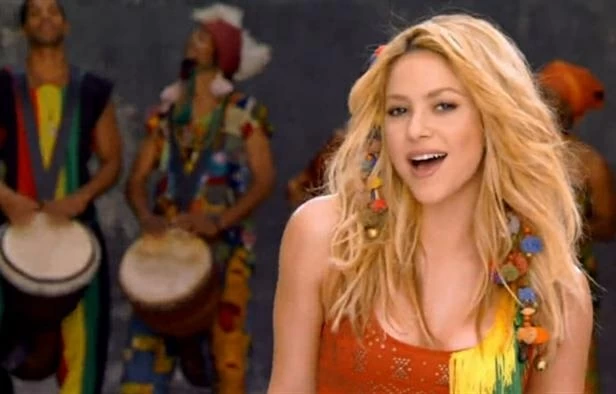
Although the first song related to the World Cup appeared in 1962 in Chile, the real launch of the international song came with the 1998 version, before reaching its peak in 2010 with the song that changed the rules of the game: (Waka Waka) by Shakira; The song turned into a global phenomenon, transcending the limits of heroism to become part of global popular culture. The song’s video surpassed 4.5 billion views, and was entered in the Guinness Book of Records as the most-streamed World Cup song, making Shakira the first artist in history to have more than one official World Cup song, which prompted the public and media to grant her the title (Queen of World Cup Songs).
Shakira’s influence was not only musical, but also cultural, as she contributed to spreading Afro-Latin rhythms globally, and linked music to sports identity in an unprecedented way. Since then, the official song has become an essential part of the identity of every edition of the World Cup.
Nancy…the most popular in the Arab world
In the Arab world, Nancy Ajram’s name emerged as one of the most important voices associated with the World Cup, even though her participation was not among the official FIFA songs. She presented the Arabic version of the song (Wavin’ Flag) in 2010, becoming the most popular song in the Arab world in that version. Nancy gave a performance that carried the spirit of optimism and celebration, which made the song used in advertising campaigns and public events in various Arab countries.
Songs from the memory of heroism
The popularity of World Cup songs was not limited to official acts alone. Rather, a group of songs emerged over the decades that became part of the tournament’s memory, whether commissioned by FIFA or through widespread public dissemination. In 1998, Ricky Martin presented one of the most influential songs in the history of the World Cup with his song (Cup of Life), which topped music charts around the world and launched the wave of Latin spread globally. In the 2006 edition, Crazy Frog achieved unexpected popularity with his song “We Are the Champions (Ding Dong),” which became for many the “unofficial song” of the tournament despite FIFA not adopting it. The song “Wavin’ Flag” by Somali-Canadian singer Ki Nan also appeared in 2010, which turned into a global anthem thanks to its multiple versions. Including the Arabic version performed by Nancy Ajram. These works, along with the official songs, created a huge musical archive that accompanies the World Cup in every edition and reflects the diversity of the cultures participating in it.
Between Shakira’s overwhelming internationalism and Nancy’s influential Arab presence, World Cup songs have become part of fans’ memories and a constant pillar in creating enthusiasm before every tournament, confirming that music has become an official partner of football in the largest sporting event on Earth.
Since the 1960s, World Cup songs have transformed from simple individual initiatives into one of the most powerful tools of mass influence in sports.
Despite the many artists who have graced this arena, some names remain etched in the public’s memory; At the forefront are Shakira (globally) and Nancy Ajram (Arabically), who played a pivotal role in shaping the identity of music associated with the World Cup.
Queen of World Cup Songs
Although the first song associated with the World Cup appeared in 1962 in Chile, the real launch of the global song came with the 1998 edition, before reaching its peak in 2010 with the song that changed the game: (Waka Waka) by Shakira; The song became a global phenomenon, transcending the boundaries of the tournament to become part of global pop culture. The music video surpassed 4.5 billion views and entered the (Guinness) World Records as the most listened-to World Cup song, making Shakira the first artist in history to have more than one official World Cup song, prompting the public and media to bestow upon her the title of (Queen of World Cup Songs).
Shakira’s influence was not only musical but also cultural, as she contributed to the global spread of Afro-Latin rhythms and linked music to sports identity in an unprecedented way. Since then, the official song has become an essential part of the identity of each World Cup edition.
**media«2724236″**
Nancy..The Most Popular Arab Artist
In the Arab world, Nancy Ajram emerged as one of the most important voices associated with the World Cup, even though her participation was not among FIFA’s official songs. She presented the Arabic version of the song (Wavin’ Flag) in 2010, making it the most popular Arabic song in that edition. Nancy delivered a performance that carried a spirit of optimism and celebration, which led to the song being used in advertising campaigns and public events across various Arab countries.
**media«2724238»**
Songs from the Tournament’s Memory
The fame of World Cup songs was not limited to official works alone; Over the decades, a collection of songs has emerged that became part of the tournament’s memory, whether commissioned by FIFA or through widespread public popularity. Ricky Martin presented one of the most impactful songs in World Cup history in 1998 with his song (The Cup of Life), which topped music charts around the world and launched a wave of Latin popularity globally. In the 2006 edition, Crazy Frog achieved unexpected popularity with his song “We Are the Champions (Ding Dong),” which became for many (the unofficial song) of the tournament despite not being adopted by FIFA. The song (Wavin’ Flag) by Somali-Canadian singer K’naan also stood out in 2010, transforming into a global anthem thanks to its multiple versions; Including the Arabic version performed by Nancy Ajram. These works, alongside the official songs, created a massive musical archive that accompanies the World Cup in every edition and reflects the diversity of the cultures participating in it.
Between Shakira’s overwhelming global presence and Nancy’s impactful Arab presence, World Cup songs have become part of the fans’ memory and a constant pillar in generating excitement before each tournament, confirming that music has become an official partner of football in the biggest sporting event on Earth.