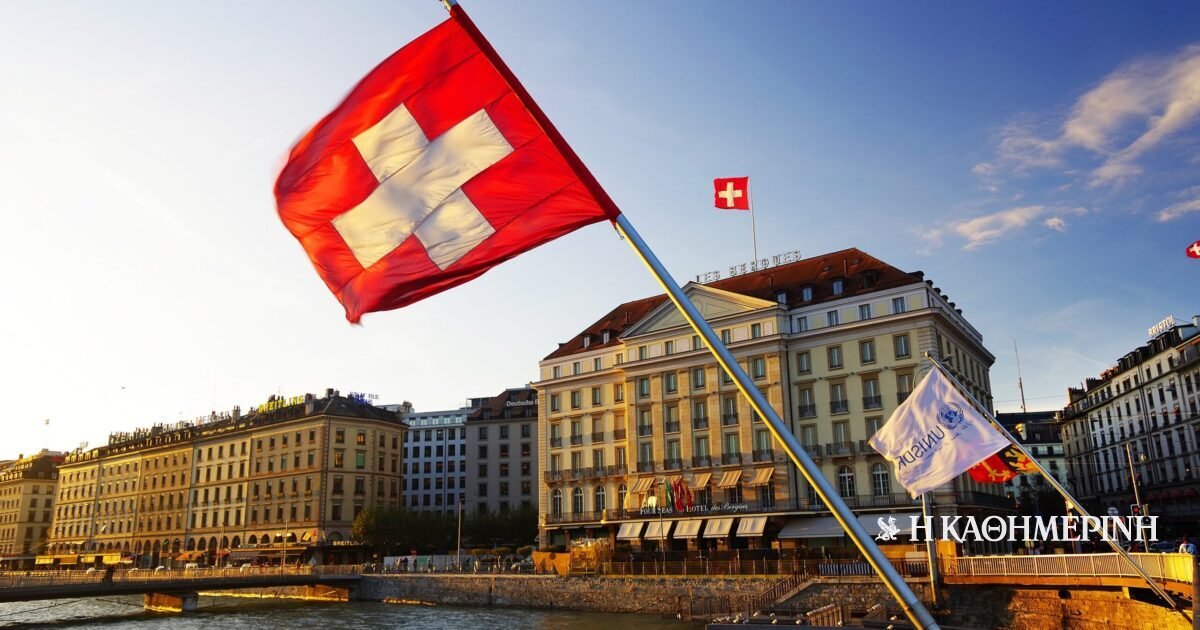
The polls will be called Swiss people on Sunday, to decide whether their country will place “population ceiling” which will limit its inhabitants to 10 million in the coming decades. The request is part of a long-standing effort by right-wing political forces to limit the number of foreigners immigrating to the economically booming Alpine country.
The issue is put to a vote, as Switzerland’s federal democracy gives voters a direct say in policy-making through referendums, usually held four times a year.
According to recent pollsthe result is expected to be ambiguous. The idea of a “population cap” is popular among those who find the influx of people from EU countries undesirable. The proponent of the proposal is the right-wing Swiss People’s Party (SVP/UDC), which dominates seats in the Swiss parliament.

Opponents see the move as Switzerland “shooting itself in the foot” as the country benefits from close ties with the EU, while the Swiss business association EconomieSuisse also opposes the proposal, which it rejects as “absurd” and a “threat” to Switzerland’s security and prosperity. Since 2002, when Switzerland and E.U. eased restrictions on citizens living and working between their borders, o Swiss population has grown by 23%, reaching 9.1 million last year. The Organization for Economic Co-operation and Development (OECD) reports that in 2024 32% of Switzerland’s population was born abroad.
A possible acceptance of the proposal by the Swiss people would oblige the Swiss government to take steps to limit the population to 10 million by 2050. If the number reaches 9.5 million sooner, Swiss leaders would have to move to impose restrictions on asylum grants, family reunifications and residence permits. They might even be forced to completely scrap the Alpine country’s agreement with the European bloc on free movement between them.
Correspondingly, by limiting its population, Switzerland would also limit its relations with Brussels, as well as the future of foreign investments in the country, since the E.U. is its main trading partner.
Immigration has long been a challenge for Europe, as its nations face rising rates of population aging, but also a host of anti-immigration voices.