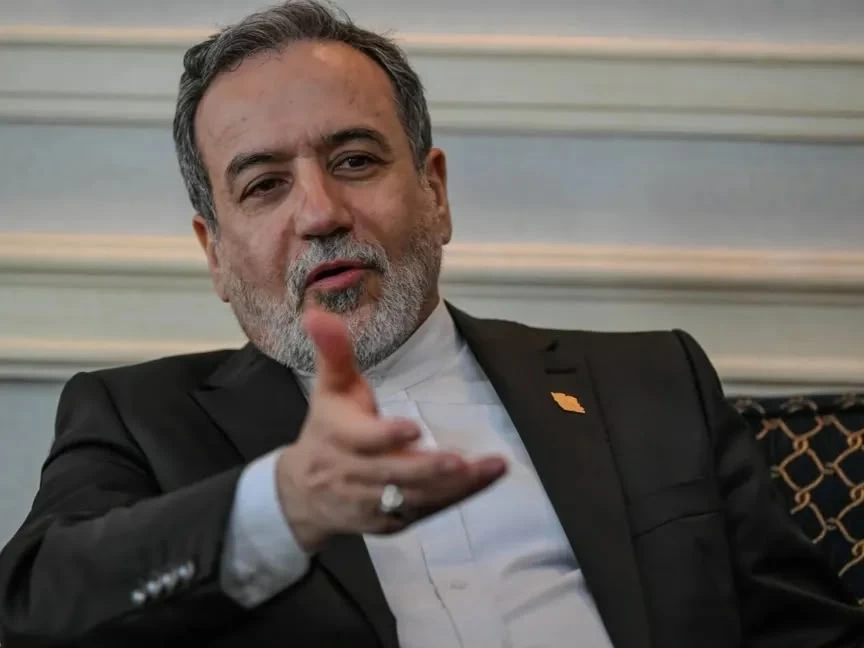
Iranian Foreign Minister Abbas Araqchi revealed that the draft of the anticipated memorandum of understanding does not exceed two pages, stressing that it has been subject to reviews by the ministries of foreign affairs, intelligence agencies, and concerned parties of the participating parties, in preparation for its signing within the next few days.
Araqchi explained that the understanding is in its final stages, noting that the signing will take place remotely and electronically in the first stage once the final formulations are completed, before moving on to the subsequent stages of negotiation.
Only two pages…but they chart the course of the negotiations
Araqchi said that the memorandum of understanding represents the first stage of a negotiating process that will last for 60 days to discuss the controversial issues, explaining that the brief document, which does not exceed two pages, includes the basic principles and initial obligations between the parties.
He added that the continuation of negotiations after this stage depends on the implementation of the pledges contained in the memorandum within the specified period, stressing that reaching a final agreement is closer than ever before.
Hormuz and the naval blockade are at the core of the agreement
The Iranian Foreign Minister indicated that the initial text of the memorandum addresses the Strait of Hormuz issue and lifting the naval blockade, while referring a number of more complex issues to the second phase of the negotiations.
He stressed that Iran seeks a new management of the Strait, considering that the future situation will not be as it was before, stressing at the same time that his country does not intend to permanently manage the Strait by military means, but will intervene when necessary to protect its interests.
Frozen assets and reconstruction
Araqchi revealed that the parties agreed to establish a special mechanism to deal with the frozen Iranian assets, while the reconstruction file will be presented within a separate negotiating framework whose mechanisms will be agreed upon during the next rounds.
The Iranian Foreign Minister Abbas Araghchi revealed that the draft memorandum of understanding is no more than two pages long, confirming that it has undergone reviews by the foreign ministries, intelligence agencies, and relevant parties of the participating sides, in preparation for its signing in the coming days.
Araghchi explained that the understanding is now in its final stages, noting that the signing will be conducted remotely and electronically in the first phase as soon as the final drafts are completed, before moving on to subsequent negotiation phases.
Only two pages… but they outline the course of negotiations
Araghchi stated that the memorandum of understanding represents the first phase of a negotiating process that will last for 60 days to discuss contentious issues, clarifying that the brief document, which does not exceed two pages, includes the basic principles and initial commitments between the parties.
He added that the continuation of negotiations after this phase is contingent upon the implementation of the commitments outlined in the memorandum within the specified timeframe, emphasizing that reaching a final agreement has become closer than ever.
Hormuz and the maritime blockade at the heart of the agreement
The Iranian Foreign Minister pointed out that the initial text of the memorandum addresses the issue of the Strait of Hormuz and lifting the maritime blockade, while referring several more complex issues to the second phase of negotiations.
He stressed that Iran seeks a new management of the strait, considering that the future situation will not be as it was in the past, while also confirming that his country does not intend to manage the strait through military means permanently, but will intervene when necessary to protect its interests.
Frozen assets and reconstruction
Araghchi revealed that the parties agreed to establish a special mechanism to deal with the frozen Iranian assets, while the issue of reconstruction will be discussed within a separate negotiating framework, with its mechanisms being agreed upon during the upcoming rounds.